Electricity essential for ‘dignified life’, rules Calcutta High Court in disputed property case
Source Entity
Vineet Upadhyay
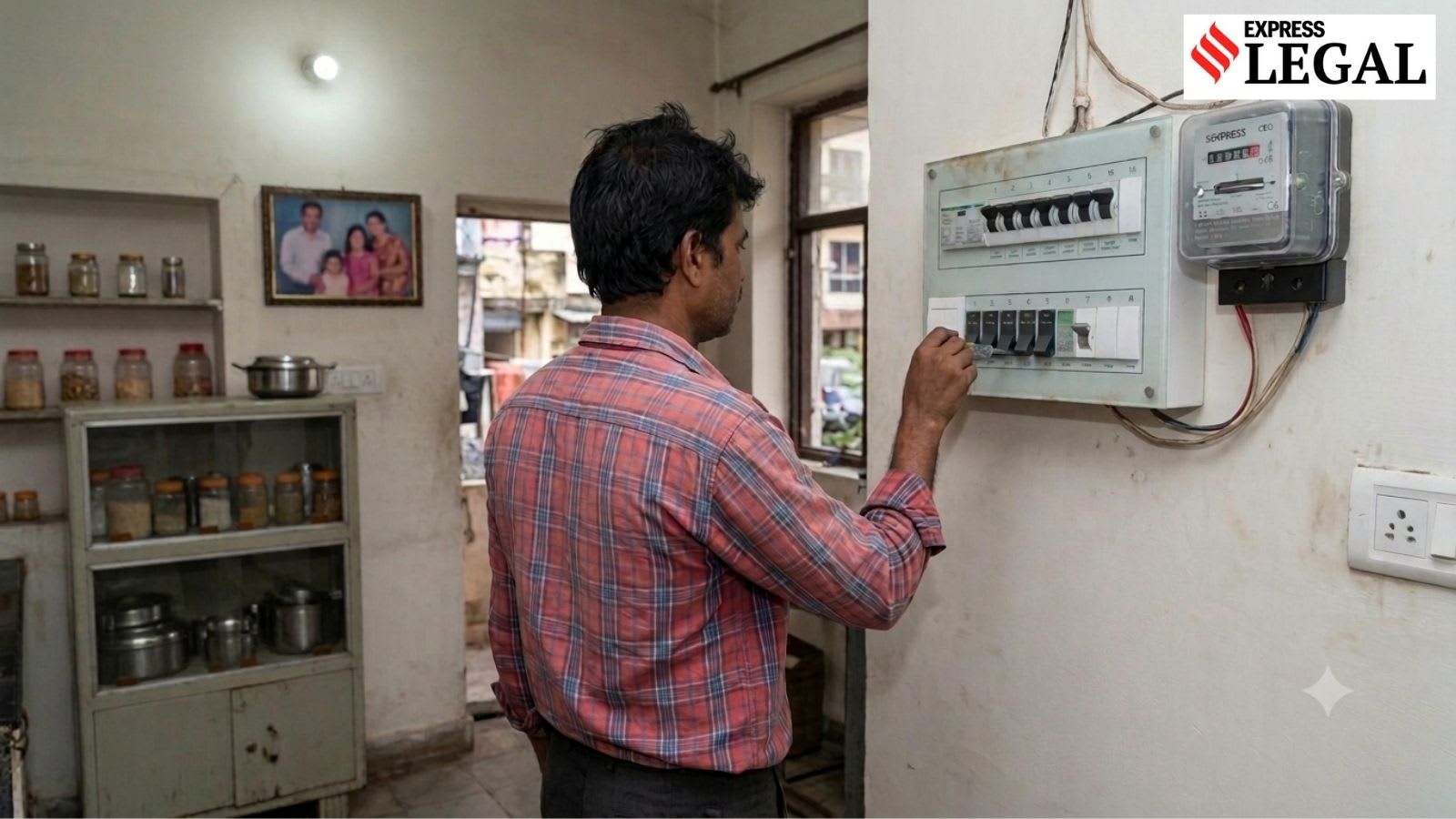
The Calcutta High Court has ruled that electricity is essential for a dignified life, ordering its restoration in a disputed property case. The court clarified that this provision of power does not grant occupants any legal ownership or equity in the premises.
The Right to Electricity: A Judicial Milestone in Calcutta
In a significant judicial observation, the Calcutta High Court has affirmed that access to electricity is an essential component of a "dignified life." By refusing to interfere with the restoration of power to occupants residing in a disputed and dilapidated property, the court has underscored the principle that fundamental human requirements should not be held hostage by property disputes. This ruling emphasizes that even in the context of precarious housing, basic utility services are vital for maintaining a standard of living that qualifies as "meaningful civilized living."
Balancing Safety and Human Rights
The case originated from a technical intervention by the Calcutta Electric Supply Corporation (CESC), which had disconnected the power supply citing safety concerns. The distributor argued that water percolation into the meter board posed a significant fire hazard. The court’s decision to mandate restoration while acknowledging the safety concerns highlights a delicate balancing act. By ensuring power is restored, the court prioritizes the human necessity of electricity, while simultaneously placing the responsibility of safety management back onto the utility provider and the occupants.
The Legal Distinction: Utility vs. Equity
A critical component of this ruling is the court's explicit clarification that the restoration of electricity does not confer any legal rights upon the occupants. Justices Shampa Sarkar and Arjun Ray Mukherjee were careful to distinguish between the provision of an essential commodity and the legal status of the inhabitants. This prevents the occupants from using the court's order as a weapon to claim ownership or create "equity" in their favor regarding the disputed property, ensuring that the property litigation remains separate from the humanitarian issue of utility access.
Historical Context of Utility Rights
This ruling aligns with a growing trend in global and Indian jurisprudence that views basic utilities—such as water, electricity, and sanitation—as extensions of the right to life. Historically, courts have often been reluctant to intervene in private property disputes; however, the shift toward recognizing "dignified living" suggests that judicial bodies are increasingly unwilling to allow individuals to be subjected to sub-human conditions, even when their stay on a property is legally contested.
Broader Implications for Urban Development
The implications of this decision are far-reaching for urban centers where dilapidated and disputed properties are common. It sets a precedent that utility providers cannot unilaterally cut off essential services to force an eviction, nor can they use safety hazards as an absolute shield to deny basic human needs. Moving forward, this will likely force utility companies to find engineering solutions to safety hazards rather than resorting to total disconnection, ensuring that the law protects both the physical infrastructure and the human rights of the citizens residing within it.