Russia readying a devastating energy blow? Putin threatens to hit US ally Ukraine where it hurts
Source Entity
Latest News: Todays Latest News Headlines from India & World | Hindustan Times | Hindustan Times
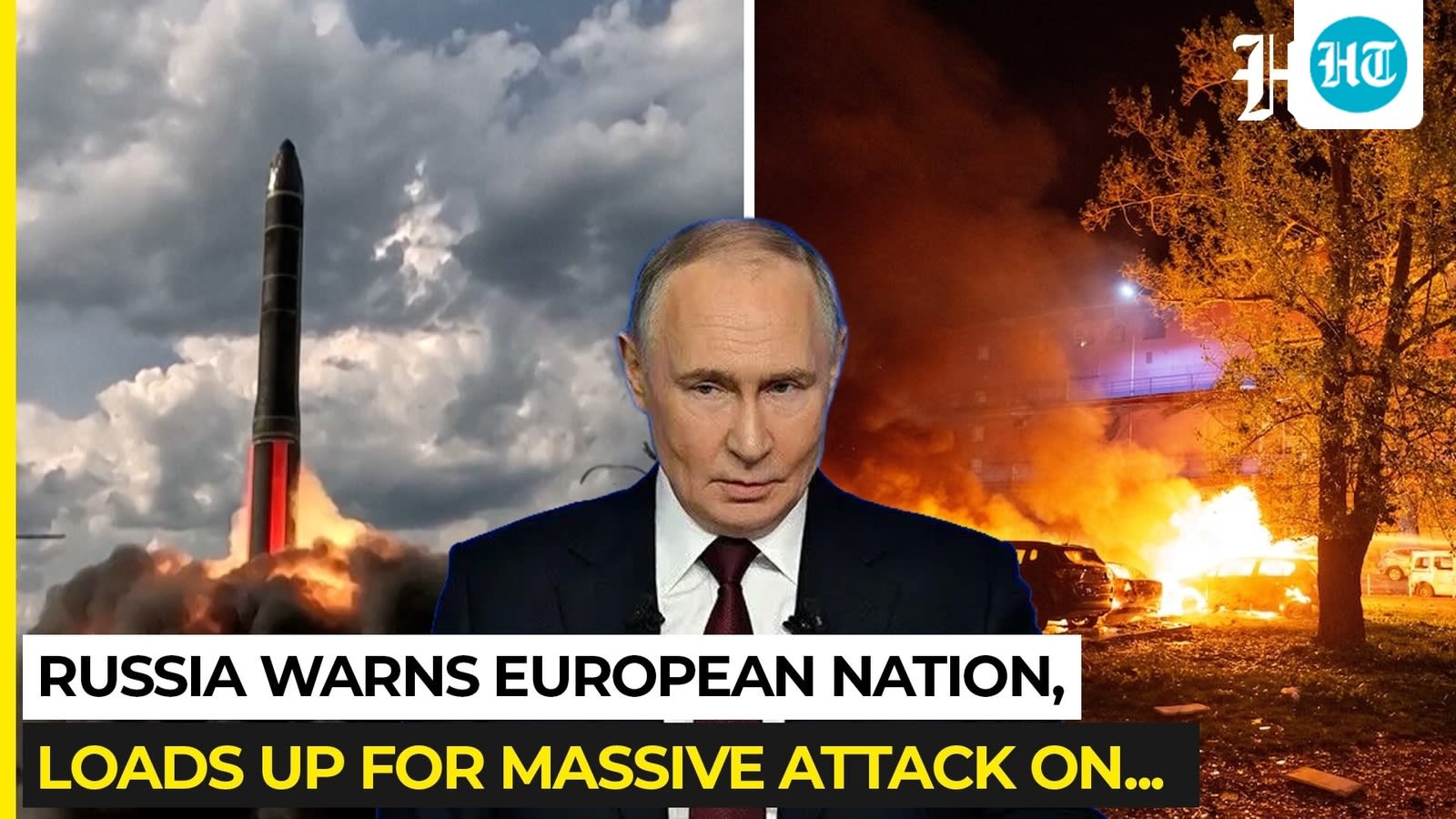
Russia has threatened massive retaliation against Ukraine's energy infrastructure, while NATO continues military drills near the sensitive Kaliningrad exclave. Amid these tensions, U.S. forces are actively training allies in drone-heavy warfare tactics derived from the ongoing conflict.
Escalating Tensions: The Russia-Ukraine Energy Conflict and NATO's Strategic Posture
The ongoing conflict in Eastern Europe has reached a volatile inflection point as Russia signals intent to execute "massive strikes" against Ukraine’s energy infrastructure. This threat serves as a direct retaliatory measure against Kyiv’s sustained long-range drone campaign, which has successfully targeted Russian oil refineries and logistics hubs. As Ukraine grapples with critical air-defense shortages, this escalatory cycle risks plunging the nation into a humanitarian and operational crisis during the coming months.
The Strategic Vulnerability of Energy Infrastructure
Energy infrastructure has become the primary theater of attrition in this war. By targeting Ukraine’s power grid, Moscow aims to erode civilian morale and degrade military logistics. Conversely, Ukraine’s focus on Russian energy assets represents a strategic effort to impair the Kremlin’s war chest by stifling export revenues and disrupting internal supply lines. This tit-for-tat dynamic creates a precarious environment where both sides are increasingly willing to risk long-term economic damage for immediate tactical gains.
Kaliningrad: The Baltic Flashpoint
Parallel to the energy war, the geopolitical focus has sharpened on the Kaliningrad exclave. Situated between NATO members Poland and Lithuania, this territory remains a critical strategic chokepoint. While Finnish President Alexander Stubb has publicly dismissed the likelihood of an imminent Russian attack on NATO or a conflict by 2029, the alliance remains hyper-vigilant. The presence of NATO drills in this region highlights the precarious nature of the alliance's eastern flank, where military posturing serves as a necessary deterrent against potential miscalculations.
Modernizing Warfare: The Drone Factor
Reflecting the hard-learned lessons of the Ukraine conflict, U.S. forces recently conducted training exercises with Polish special forces in Germany. These drills, which simulated drone-heavy battlefield conditions across a 3,000-square-kilometre area, underscore a fundamental shift in modern warfare. By integrating tactical drone usage and simulated enemy lines into their training, NATO is attempting to bridge the gap between conventional doctrine and the high-tech, high-attrition reality of the current conflict.
Future Trends and Deterrence
Looking ahead, the synthesis of these events suggests a prolonged period of instability. Russia’s reliance on retaliatory strikes against infrastructure indicates a strategy of exhaustion, while NATO’s intensified training suggests that the alliance is preparing for a future defined by high-intensity, technology-driven warfare. The interaction between Russia’s energy-focused aggression and NATO’s defensive posturing creates a complex web of risks that will likely continue to define international security for the foreseeable future.
Multiple Citing Sources
Verification Required?