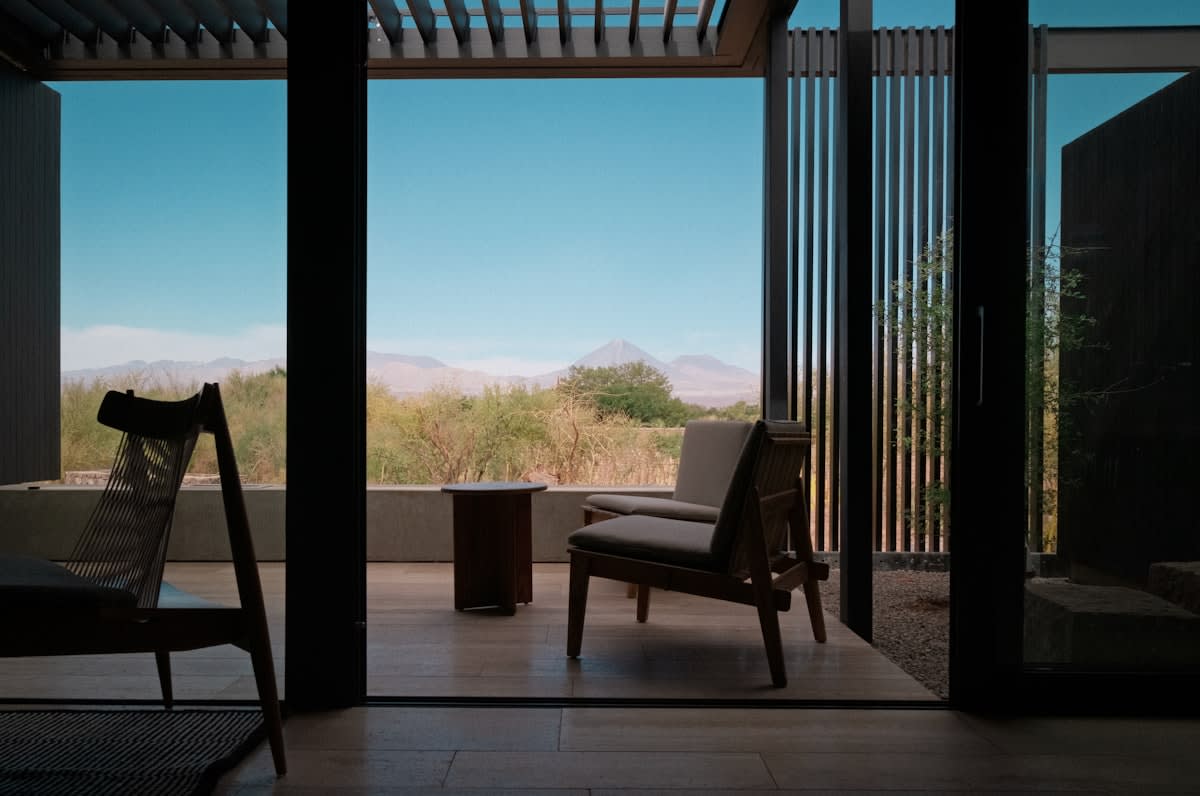
For decades, the benchmark of luxury travel was seamless connectivity. The goal was a penthouse in Tokyo or a villa in the Amalfi Coast where the Wi-Fi was blindingly fast and the global markets were a thumb-swipe away. We equated power with presence—the ability to command a boardroom in New York while sipping an espresso in Paris. But a systemic shift is occurring. The narrative has flipped. Today, the most coveted commodity is not access, but the absolute absence of it.
This is not the gentle 'digital detox' marketed to the middle class through weekend yoga retreats and locked phone boxes. This is a strategic withdrawal. The world's wealthiest individuals are now investing in 'digital dead zones'—geographies and architectural spaces specifically engineered to repel signals. They are paying a premium for the privilege of being invisible, transforming the 'dead zone' from a technical failure into a high-value amenity.
The Power Dynamic of Unreachability
Why would someone spend fifty thousand dollars a week to stay in a place where they cannot check their email? To understand this, we must view connectivity as a form of labor. For the global elite, the 'always-on' expectation is a cognitive tax that never stops accruing. When you are reachable by everyone, you are owned by everyone. The transition to paying for silence is a reclamation of sovereignty. By choosing where and when they vanish, these travelers are asserting a level of control that transcends mere wealth.
"The ultimate luxury is no longer the ability to do everything from anywhere; it is the ability to do nothing, undisturbed, in a place where the world cannot find you."— Strategic Analysis of UHNW Behavior
This shift represents a contrarian evolution in status signaling. In the 2010s, the status symbol was the latest device and the most robust data plan. In the 2020s, the status symbol is the 'Dark Period.' Mentioning that you were 'off-grid' for three weeks in a remote corner of the Himalayas or a private island in the Seychelles is the new way of signaling that your time is so valuable, and your systems so stable, that the world can survive without your immediate input.
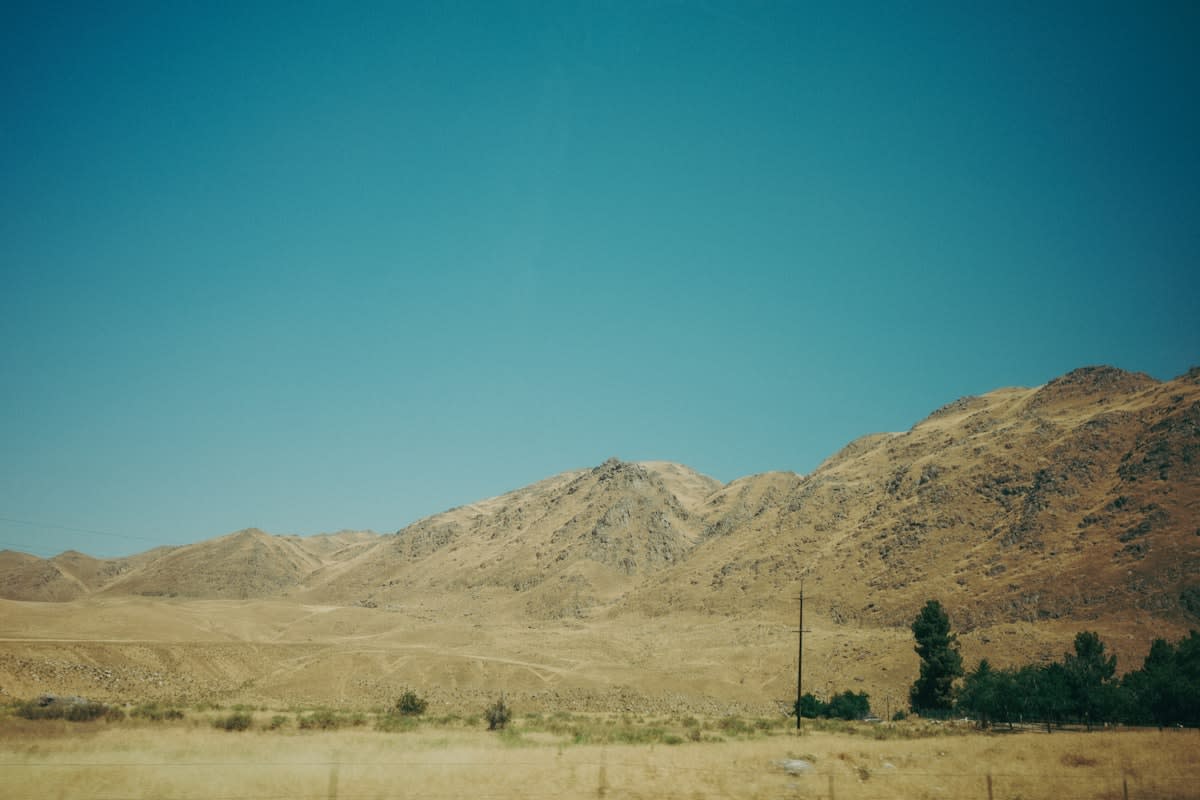
The demand for these zones is driving a new kind of geography. We are seeing the rise of 'Signal-Free Sanctuaries' in regions like the Atacama Desert in Chile or the depths of the Bhutanese highlands. These are not merely remote locations; they are curated experiences where the lack of infrastructure is the primary product. Developers are now building luxury lodges that actively shield interiors from cellular signals using Faraday-cage principles, ensuring that the sanctuary remains inviolate.
This movement isn't just about peace of mind; it's an economic pivot that is reshaping the high-end hospitality market.
The Economics of the Silent Economy
The market for 'disappearance travel' is operating on a different set of valuation metrics than traditional luxury. While a standard five-star hotel competes on the quality of its concierge and the speed of its service, the dead-zone retreat competes on the quality of its isolation. Industry data suggests a growing trend where UHNW individuals are willing to pay a 30% to 50% premium for properties that can guarantee a 'zero-signal' environment.
| Feature | Traditional Luxury (Connected) | Disappearance Luxury (Disconnected) |
|---|---|---|
| Primary Value Proposition | Seamless Integration | Total Severance |
| Tech Infrastructure | Ubiquitous High-Speed Wi-Fi | Signal Jamming / Faraday Shielding |
| Status Signal | Hyper-Availability | Strategic Unreachability |
| Guest Psychology | Control via Monitoring | Control via Absence |
| Pricing Driver | Amenity Density | Geographic Isolation |
Consider the numbers. In the last five years, the growth of 'off-grid' luxury infrastructure has outpaced traditional luxury resort development in several key emerging markets. We are seeing an estimated 12% compound annual growth rate in the niche sector of privacy-first, signal-free retreats. This isn't a fluke; it's a reaction to a world where the boundary between professional and private life has been completely eroded by the smartphone.
Furthermore, surveys of ultra-high-net-worth individuals indicate that approximately 65% report significant 'digital burnout,' citing the inability to disconnect as a primary source of stress. This psychological pressure has turned the 'dead zone' into a health requirement. The void is no longer a place of boredom; it is a place of recovery. When the cost of being reachable becomes too high, the price of disappearing becomes irrelevant.
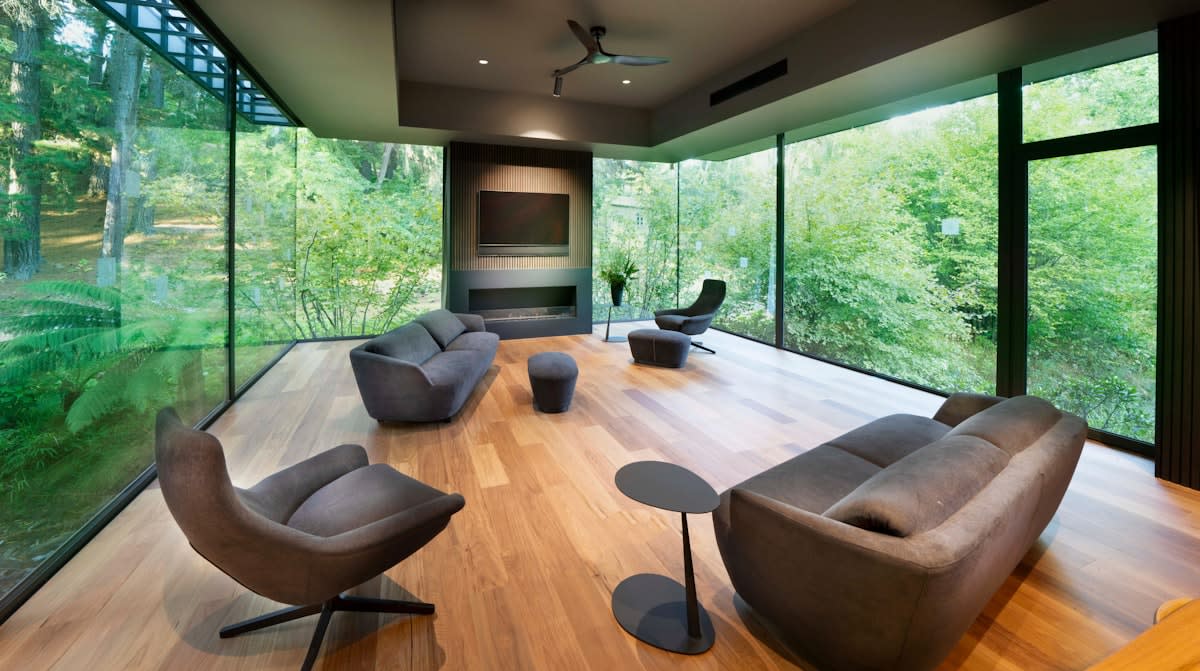
But this trend extends beyond simple relaxation; it is a sophisticated adaptation to the modern surveillance state.
Privacy as the Ultimate Hedge
There is a darker, more pragmatic side to the luxury of disappearance. In an age of pervasive data harvesting and satellite surveillance, the ability to exist outside the digital grid is a security asset. For those whose movements are tracked by competitors, paparazzi, or governments, a digital dead zone is not just a vacation—it is a tactical necessity. The 'dead zone' becomes a hedge against the transparency of the digital age.
We are seeing a rise in 'black-site tourism'—exclusive retreats that use advanced signal-blocking materials and strict no-device policies to ensure that what happens within the perimeter stays within the perimeter. This is the ultimate expression of the 'private' in private travel. It is the creation of a temporary sovereignty where the laws of the digital world simply do not apply.
The Analyst's Take
The transition from 'Connected Luxury' to 'Disconnected Luxury' mirrors the shift from 'Conspicuous Consumption' to 'Inconspicuous Consumption.' The goal is no longer to show the world what you have, but to show the world that you don't need it.
Does this create a new form of inequality? Absolutely. The ability to disconnect is now a tiered privilege. The working class is tethered to their devices by economic necessity, while the elite pay to cut the cord. This 'disconnection gap' is the next frontier of social stratification. The poor are monitored; the middle class is distracted; the wealthy are invisible.
As we move forward, the hospitality industry will likely bifurcate. On one side, we will have the 'Hyper-Connected Hubs' designed for maximum efficiency and digital integration. On the other, we will have the 'Silent Reserves'—protected pockets of the planet where the only signal is the wind and the only notification is the sunrise. The latter will always command the higher price.
Ultimately, the luxury of disappearance is a symptom of a society that has over-optimized for connectivity. We have built a world where we are always reachable, and in doing so, we have made the act of vanishing the most precious experience money can buy. The dead zone is not a void; it is a sanctuary.