Sadhguru on Navratri: A spiritual perspective on why the 9 days go beyond power, wealth, victory and knowledge
Source Entity
Latest News: Todays Latest News Headlines from India & World | Hindustan Times | Hindustan Times
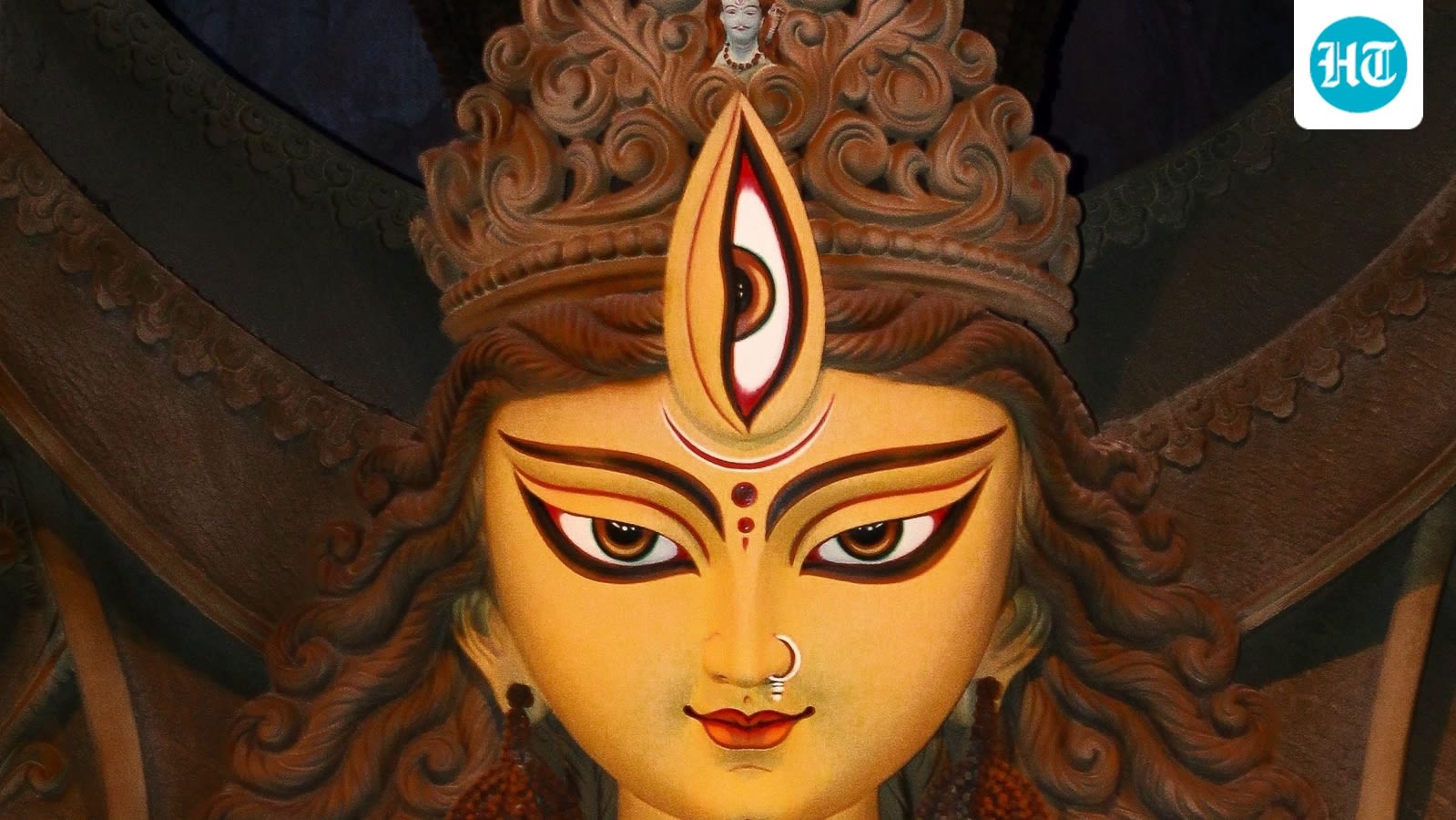
Sadhguru explains the spiritual significance of the nine nights of Navratri, emphasizing the worship of Durga, Lakshmi, and Saraswati. He highlights that power, wealth, and knowledge must be balanced with awareness to avoid ignorance.
The Spiritual Significance of Navratri: A Tripartite Journey
Navratri, a festival celebrated across India and by the global diaspora, is traditionally viewed through the lens of devotion, fasting, and cultural celebration. However, spiritual leader Sadhguru offers a deeper, philosophical interpretation of these nine nights. By categorizing the festival into three distinct segments, he suggests that the worship of the Divine Feminine acts as a structured guide for human development, moving beyond mere ritualistic observance.
The Three Pillars: Durga, Lakshmi, and Saraswati
The structure of Navratri is built upon the worship of three primary forms of the Devi: Durga, Lakshmi, and Saraswati. According to Sadhguru, each form is allotted three nights of focus, representing the foundational aspects of human existence. Durga symbolizes the raw, necessary energy of power; Lakshmi represents the accumulation of wealth and resources; and Saraswati embodies the pursuit of wisdom and knowledge. This framework suggests that the festival is not just a religious event but a systematic approach to mastering the faculties required to navigate the material world.
Power, Wealth, and Knowledge: The Double-Edged Sword
A critical component of Sadhguru’s perspective is the warning regarding the nature of these three assets. While power, wealth, and knowledge are essential for creating possibilities and advancing civilization, he posits that they can easily transform into sources of profound ignorance if pursued without heightened awareness. This analytical viewpoint shifts the focus of Navratri from external attainment to internal management, suggesting that the 'Divine Feminine' serves as a balancing force that keeps these worldly pursuits grounded.
Moving Beyond Materiality
The core of this teaching lies in the transition from desire to awareness. When individuals pursue power, wealth, or knowledge blindly, they risk becoming enslaved by the very tools they seek to master. By dedicating nine nights to these archetypal energies, practitioners are encouraged to recalibrate their relationship with these life aspects. The implication is that true victory—often associated with the mythological triumphs of the Devi—is actually the conquest over one's own unconscious tendencies.
Implications for Modern Spiritual Practice
In a contemporary context, this interpretation of Navratri provides a bridge between ancient tradition and modern psychological health. As global society grapples with the pressures of economic success and the information age, Sadhguru’s reminder that knowledge and wealth require a spiritual foundation is highly relevant. By emphasizing that these nine nights are designed to cultivate a state of consciousness that transcends mere survival, the teachings offer a blueprint for a more balanced and aware existence.
Conclusion: A Path Toward Conscious Living
Ultimately, the spiritual perspective shared by Sadhguru reframes Navratri as a comprehensive process of self-realization. By recognizing the limitations of power, wealth, and knowledge when left unchecked, participants are invited to engage with the festival as a transformative journey. It is a reminder that the Divine Feminine represents not just external forces, but the latent potential within every individual to integrate these aspects of life with wisdom, ensuring that they become vehicles for liberation rather than chains of ignorance.
Verification Required?