He showed family his ship on video call. 30 minutes later, missile struck
Source Entity
Manish Sahu
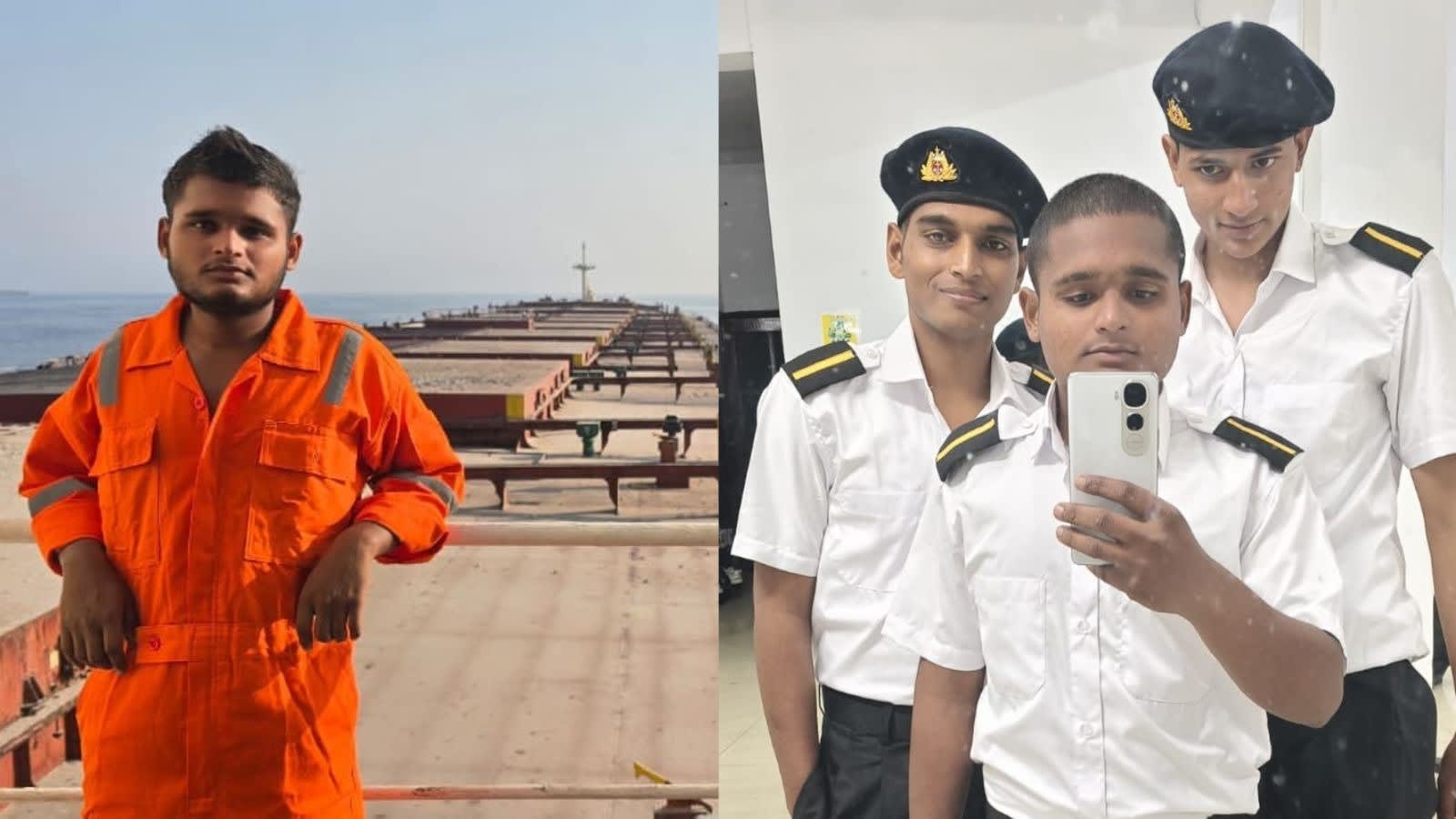
Suraj Yadav, a 22-year-old Indian seafarer, was killed when his ship, MV Cape Dao, was struck by missiles near the Strait of Hormuz. The attack underscores the escalating dangers faced by merchant sailors in volatile maritime regions.
A Tragic End to a Routine Call
The tragic death of 22-year-old Suraj Yadav, a wiper on the commercial vessel MV Cape Dao, serves as a harrowing reminder of the human cost of regional maritime conflicts. On a Wednesday afternoon, Yadav initiated a video call with his family in Deoria, Uttar Pradesh, intending to share the mundane pride of his workplace. Little did his family know that the footage of his sleeping quarters and daily life would become their final memory of him, as a missile strike occurred just thirty minutes after the call ended.
The Strategic Volatility of the Strait of Hormuz
The incident took place near the Strait of Hormuz, a critical maritime chokepoint off Oman’s eastern coast. This region has historically been a flashpoint for geopolitical tension, often serving as a theater for proxy conflicts and regional power projection. The vulnerability of commercial vessels in these waters is a growing concern for global shipping, as merchant sailors frequently find themselves caught in the crossfire of military escalations that they have no role in initiating.
Impact on the Indian Maritime Workforce
With 20 of the 28 crew members on the MV Cape Dao being Indian nationals, this attack highlights the significant role India plays in the global merchant navy workforce. India is a major supplier of seafarers to the world, and incidents of this nature strike at the heart of the families and communities who rely on these remittances and careers. The death of a young professional like Yadav, who was simply performing his duties while returning to his home country, forces a re-evaluation of the safety protocols for Indian crews operating in high-risk zones.
The Mechanics of the Attack
Reports indicate that the MV Cape Dao was struck by two torpedoes, with one hitting the port side of the C-deck. Such an attack suggests a targeted strike rather than collateral damage, raising serious questions about the security environment of the Strait. For commercial vessels, which lack the defensive capabilities of warships, the threat of unprovoked missile or torpedo attacks represents an existential danger to international trade and human life.
Broader Implications for Maritime Security
The loss of life on the MV Cape Dao necessitates a broader international dialogue on the protection of civilian mariners. As regional tensions continue to fluctuate, the safety of commercial shipping lanes remains paramount. Without increased international naval presence or stricter enforcement of maritime safety corridors, the risk to seafarers will likely persist, leaving vulnerable workers like Yadav to face unpredictable threats far from home.
A Community in Mourning
For the family in Deoria, the transition from a joyful video call to the devastating news of a death hours later is a profound tragedy. The loss of a young life, cut short by geopolitical violence, leaves a void that no diplomatic explanation can fill. This incident is not merely a maritime statistic; it is a human catastrophe that highlights the urgent need for greater accountability and safety for those who keep the world's supply chains moving.