Iran President Says Tehran Wants To Return To June Deal With US
Source Entity
NDTV News Search Records Found 1000
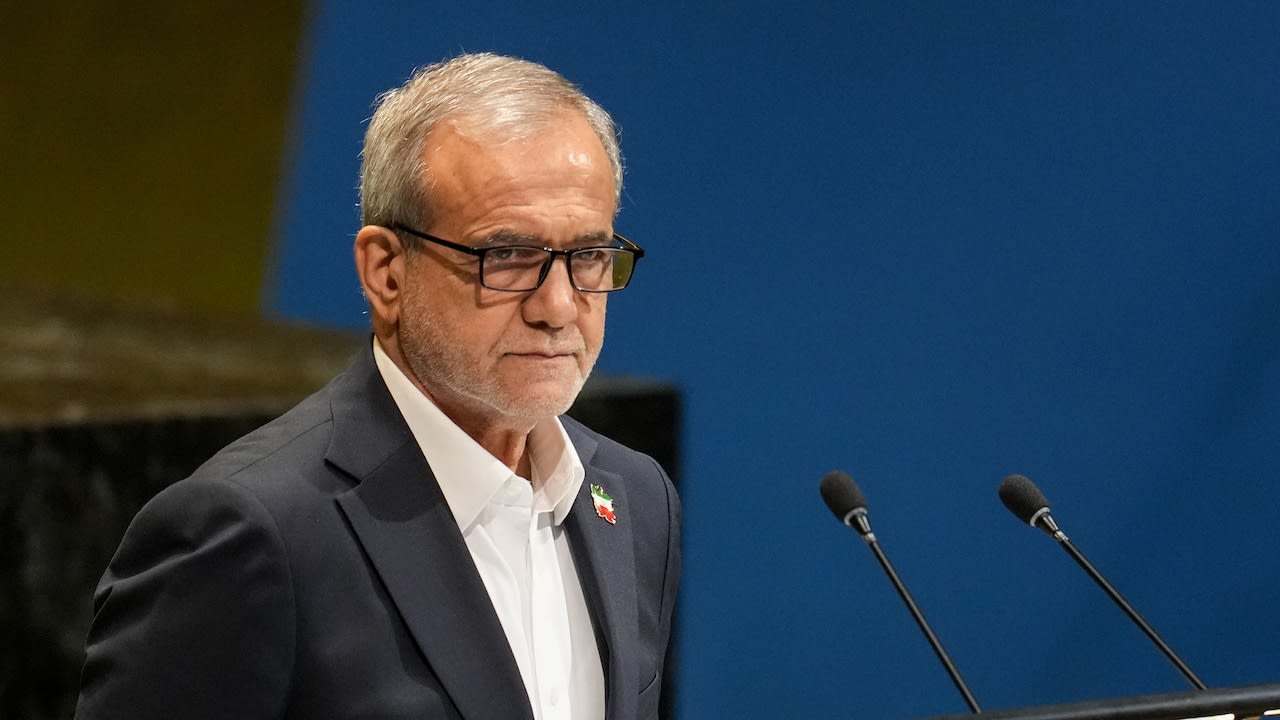
Iranian leadership has expressed a renewed interest in reviving the failed June agreement with the United States. This move signals a potential attempt to restart diplomatic pathways toward a comprehensive peace deal.
The Resurgence of Diplomatic Ambition in Tehran
The recent declaration by the Iranian President regarding a desire to return to the framework of the 'June deal' marks a significant, albeit fragile, pivot in international diplomacy. This agreement, which was initially envisioned as a foundational stepping stone toward a broader, comprehensive peace settlement between Tehran and Washington, collapsed shortly after its inception. The fact that the current administration is now revisiting this specific framework suggests a strategic attempt to re-establish a baseline for bilateral engagement after a period of prolonged geopolitical stagnation.
Deconstructing the June Deal Framework
The 'June deal' was originally designed to serve as a de-escalation mechanism, intended to create the necessary political space for both nations to address more contentious long-term issues. Its rapid unraveling serves as a case study in the volatility of modern international relations, where domestic political pressures and regional security concerns often derail nascent diplomatic efforts. By signaling a return to this specific blueprint, Tehran is effectively attempting to hit the reset button on a process that was previously considered non-viable.
Historical Context and Strategic Intent
Historically, negotiations between Iran and the United States have been characterized by cycles of optimism followed by swift disillusionment. The June deal was conceived during a period of intense scrutiny, aiming to bridge the gap between hardline rhetoric and the pragmatic necessity of regional stability. The current push to revive this initiative implies that the Iranian leadership views the original structure as a credible, if previously failed, vehicle for managing the complex security architecture of the Middle East.
Broader Geopolitical Implications
If Tehran successfully initiates a return to these talks, the global implications would be profound. A stabilization of US-Iran relations, even at a foundational level, would ripple across global energy markets, regional defense alliances, and international non-proliferation efforts. However, the path forward is fraught with challenges; the previous collapse of the deal created a deficit of trust that will require significant diplomatic capital to overcome, particularly given the shifting political landscapes in both capitals.
Future Trends and Outlook
Looking ahead, the success of this initiative will depend on whether the parties can move beyond the symbolic gestures of 'returning' to a deal and instead address the structural grievances that caused its initial failure. The international community will likely watch for concrete, verifiable steps that differentiate this attempt from the previous iteration. If the parties can maintain this dialogue, it may eventually lead to a more sustainable, long-term framework for peace, though the immediate future remains highly uncertain.
Verification Required?