Israel's UN ambassador Danny Danon offers Starlink to Iran envoy amid UNGA session | Watch
Source Entity
Latest News: Todays Latest News Headlines from India & World | Hindustan Times | Hindustan Times
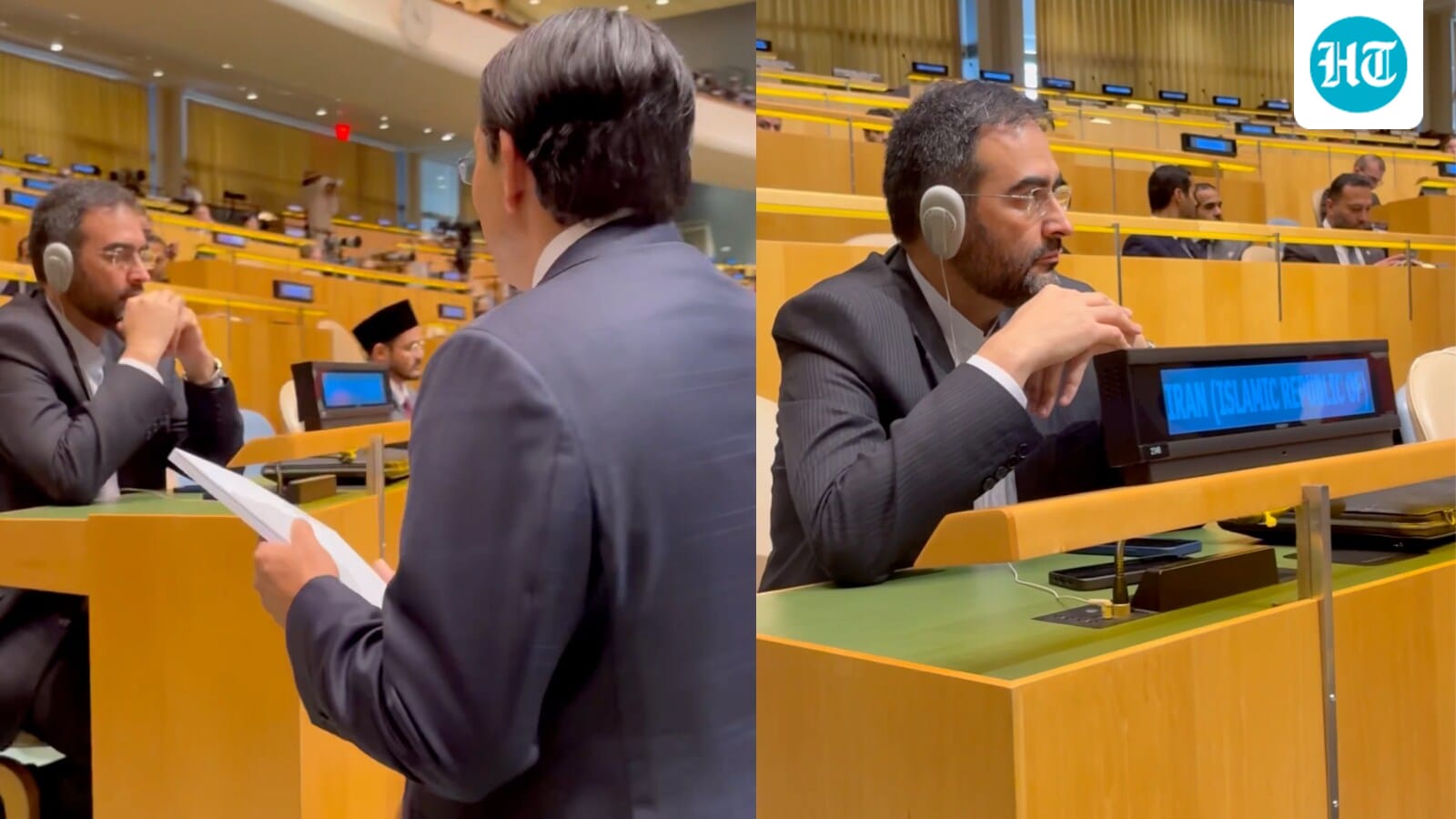
Israel's UN Ambassador Danny Danon publicly offered Starlink satellite internet to Iran's UN representative during the UNGA. The gesture was intended to highlight Iran's internet restrictions and advocate for regime change, though the offer was ignored by the Iranian envoy.
Diplomatic Theater at the UNGA: The Starlink Gambit
During the recent United Nations General Assembly (UNGA) in New York, Israeli Ambassador Danny Danon engaged in a highly unconventional diplomatic maneuver. He publicly approached Iran’s UN representative, Nasser Asadi, offering a Starlink satellite internet terminal. This interaction, captured on video and shared via Danon's social media, serves as a sharp critique of the Iranian government's stringent control over digital communications and domestic information access.
The Strategic Symbolism of Starlink
Starlink, the satellite constellation operated by SpaceX, has become a potent symbol of digital freedom in conflict zones and regions with authoritarian internet censorship. By offering the technology to the Iranian envoy, Danon was not merely proposing a technical solution; he was making a pointed political statement. The gesture sought to contrast the Iranian government's restrictive internet policies—often used to stifle dissent and monitor citizens—with the promise of unfiltered, global connectivity that Starlink provides.
Contextualizing Iranian Internet Restrictions
The Iranian government has historically utilized internet shutdowns and throttling as mechanisms for social control, particularly during periods of civil unrest and widespread protests. By restricting access to global platforms, the state aims to isolate the populace and control the narrative. Danon’s offer specifically referenced the need for the Iranian people to "get their freedom," framing the provision of satellite internet as a human rights intervention rather than a standard diplomatic exchange.
The Breakdown of Diplomatic Protocol
Predictably, the Iranian representative did not engage with the offer. In the rigid, often hostile environment of Israel-Iran relations, such a public, performative gesture was destined to be rejected. The refusal by the Iranian envoy underscores the deep-seated animosity between the two nations, where even symbolic gestures are viewed through the lens of national security and regime survival. This encounter highlights the limits of traditional diplomacy when utilized as a tool for public messaging.
Future Implications for Digital Diplomacy
This incident signals a shift toward 'performative diplomacy' in the digital age, where officials leverage social media and viral moments to bypass traditional channels. While unlikely to result in immediate policy changes or the deployment of satellite hardware, the event successfully forced a conversation regarding internet sovereignty and the role of private technology firms in international conflicts. As communication technologies evolve, we can expect future diplomatic exchanges to increasingly focus on the control and accessibility of digital infrastructure as a core pillar of geopolitical influence.
Verification Required?