The Death of the Traditional Summer
The traditional summer holiday is breaking. For decades, the global elite and middle class converged on the Mediterranean, Southeast Asia, and the Caribbean during the northern hemisphere's peak heat. But the math has changed. When ambient temperatures routinely cross the 40-degree Celsius mark, a beach vacation stops being a luxury and starts feeling like an endurance test. We are witnessing a fundamental decoupling of 'summer' from 'sun,' as travelers now prioritize thermal comfort over a tan.
This is not a gradual slide; it is a sharp pivot. In the last twelve months, we have seen a surge in search queries for destinations that were previously considered 'off-season' or 'too cold' for July. The 'Coolcation'—a portmanteau of cool and vacation—has moved from a niche travel hack to a dominant market trend. People are no longer asking where the best beaches are; they are asking where the air is still breathable and the landscapes are lush.
Why now? The delta between 2023 and 2024 is stark. Last year, the heat was an anomaly; this year, it is a baseline. Travelers are reacting to the lived experience of 'heat domes' that have paralyzed cities from Athens to New Delhi. The psychological shift is evident: the fear of heatstroke is now outweighing the desire for tropical aesthetics. This is redrawing the map in real-time, shifting demand from the equator toward the poles.
The New Geography of Desire
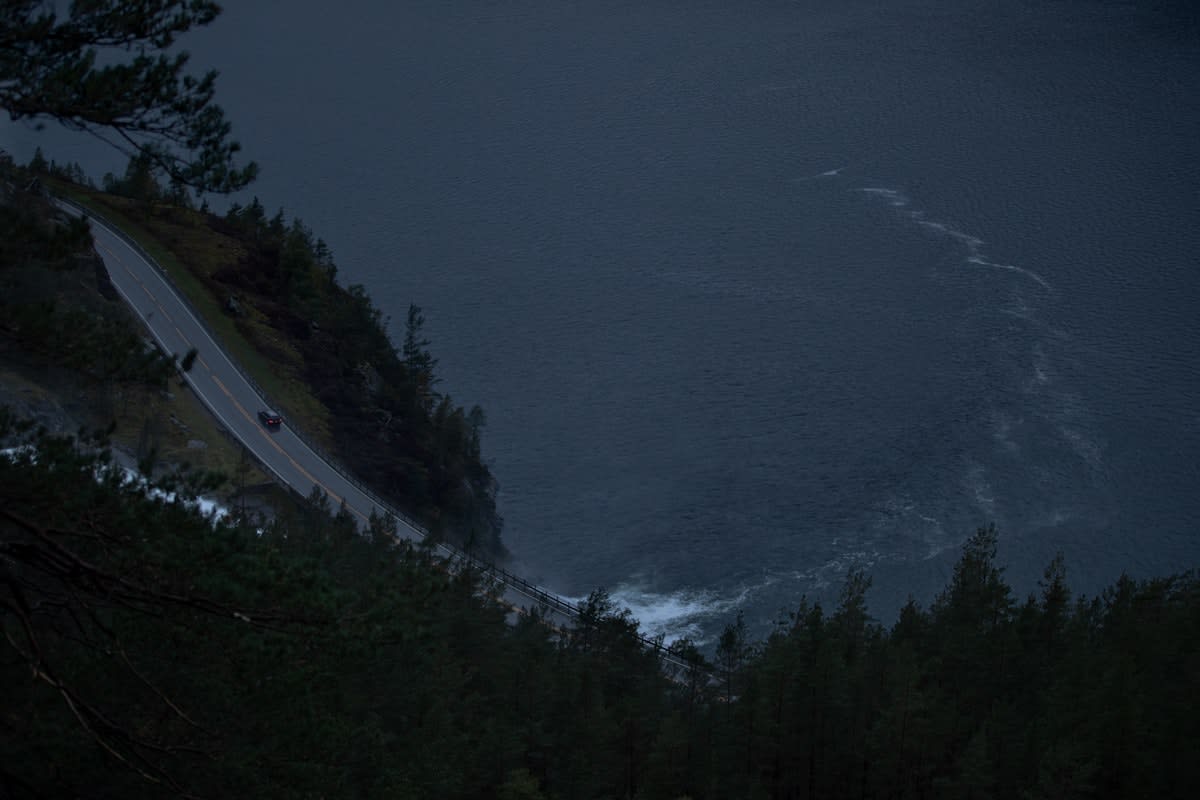
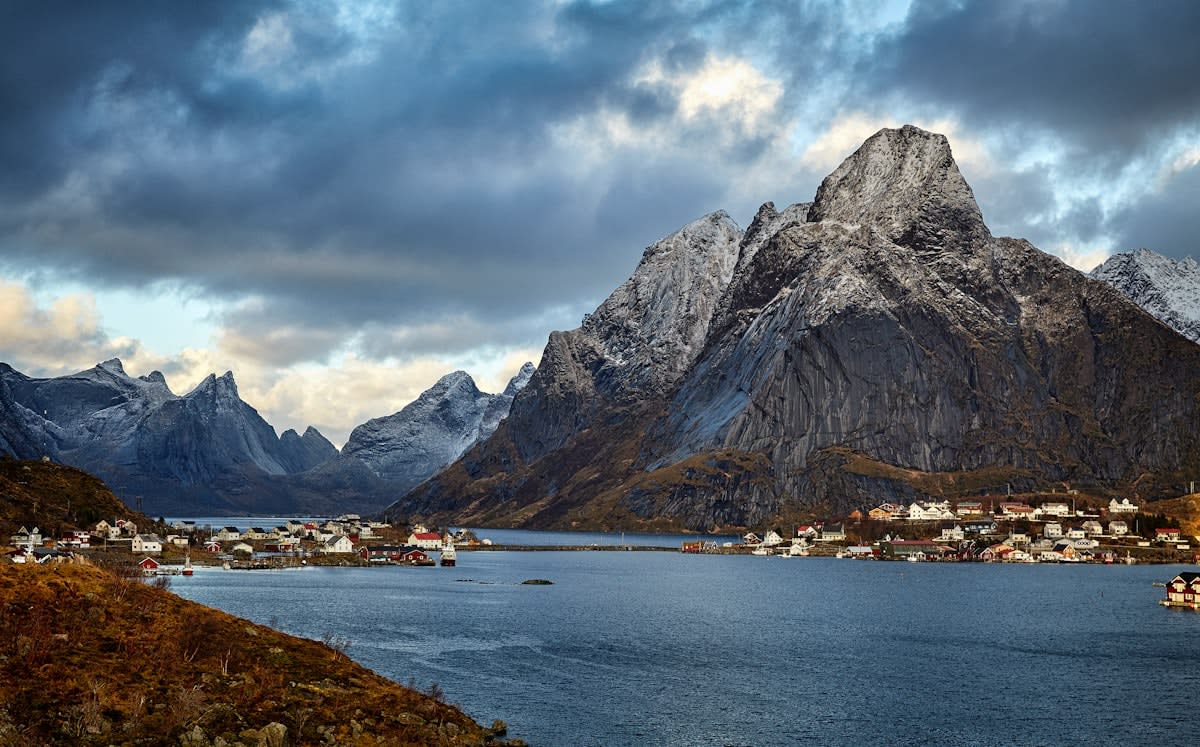
The beneficiaries of this shift are obvious: Scandinavia, Canada, Iceland, and the highland regions of Japan and Kenya. These areas are seeing a demographic shift in their visitors. It is no longer just the adventure seeker or the winter sports enthusiast visiting in July. We are seeing families and luxury travelers who would typically be in Tuscany or the Amalfi Coast now booking high-end lodges in the Lofoten Islands or the Canadian Rockies.
"We are seeing a structural reallocation of tourism capital. The 'sun-and-sand' model is being challenged by a 'cool-and-green' preference, which fundamentally alters how we project infrastructure needs for the next decade."— Marcus Thorne, Senior Analyst at Global Tourism Insights
This migration creates a fascinating economic paradox. While Southern Europe struggles with 'overtourism' during the spring and autumn to compensate for an unbearable summer, Northern destinations are facing a capacity crisis they weren't prepared for. The infrastructure in places like Tromsø or Reykjavik was designed for winter peaks; the summer surge is putting an immense strain on local housing and transport networks.
| Traditional Hotspot | Coolcation Alternative | Primary Driver |
|---|---|---|
| Spanish Coast | Norwegian Fjords | Thermal Relief |
| Greek Islands | Icelandic Highlands | Wildfire Avoidance |
| Thailand/Bali | New Zealand South Island | Predictable Climate |
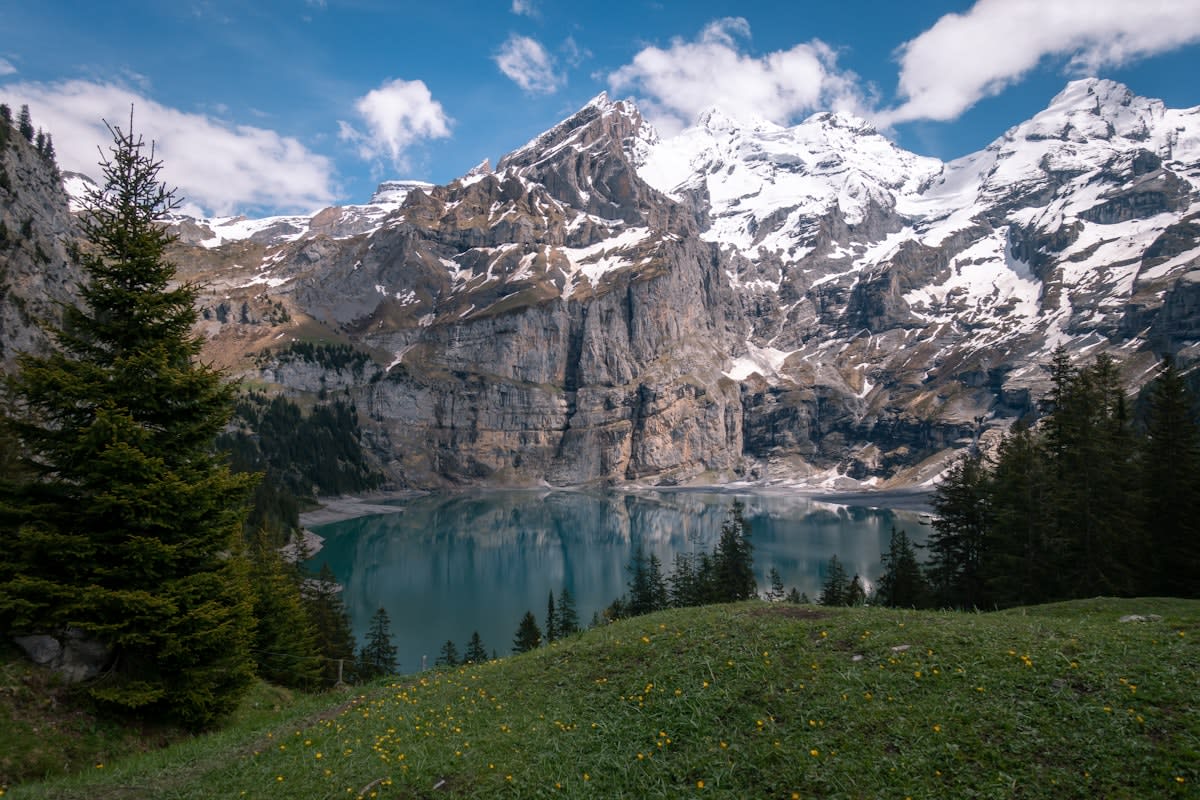
| Dubai/UAE | Swiss Alps | Luxury Air Quality |
The shift is not just about latitude; it is about altitude. Highland retreats in Ethiopia and the Andean peaks are seeing a revival. Travelers are seeking the 'eternal spring' climate—places where the temperature remains a steady 15 to 22 degrees Celsius. This vertical migration is creating new luxury pockets in regions that previously relied on agricultural or mining economies.
Is this a permanent relocation of the tourism industry? All signs point to yes. The data suggests that once a traveler experiences a 'coolcation,' the desire to return to 40-degree heat vanishes. The luxury market is already pivoting, with major hotel chains announcing expansions in the Arctic Circle and the Patagonian wilderness.
The Practitioner's Friction: On the Ground
From a practitioner's perspective, this shift is a logistical nightmare masquerading as a windfall. In the boardrooms of Nordic travel agencies, the debate isn't about whether the tourists are coming—it's about how to house them without destroying the very 'pristine' nature they are paying for. There is a fierce internal conflict between the drive for rapid expansion and the necessity of sustainable growth. Many operators are debating the use of high-end modular pods over permanent concrete structures to maintain ecological integrity.
The friction also manifests in the labor market. Traditional summer staff in the North were often seasonal students or part-time workers. Now, the demand for professional, high-luxury service in remote areas is skyrocketing. We are seeing a 'talent war' in the wilderness, where luxury lodges are poaching staff from city hotels by offering remote-living stipends. The operational reality is a scramble to scale services in regions where the nearest supply chain hub is five hours away by boat or plane.
Furthermore, the pricing models are in chaos. Dynamic pricing algorithms, which usually rely on historical data, are failing because the current surge is unprecedented. Operators are manually overriding systems to capture the 'heat-flight' premium, leading to price spikes that are occasionally alienating the very demographic they wish to attract. The industry is learning in real-time how to price a climate-driven migration.
The Ecological Paradox
We cannot ignore the irony. People are fleeing the effects of climate change only to accelerate them by flying thousands of miles to fragile Arctic ecosystems. This 'carbon-heavy escape' creates a feedback loop. The very landscapes that offer relief—the glaciers of Iceland or the tundra of Canada—are the most vulnerable to the increased foot traffic and carbon emissions associated with this trend.
- Increased pressure on permafrost regions due to infrastructure expansion.
- Waste management crises in remote 'cool' villages not equipped for mass tourism.
- Disruption of local wildlife patterns due to increased summer human presence.
- The rise of 'green-washing' in Arctic luxury resorts to justify high-carbon travel.
How do these destinations adapt? Some are implementing 'entry quotas' or high tourism taxes to fund conservation, similar to the models seen in Bhutan. Others are pivoting toward 'slow travel,' encouraging visitors to stay longer in one place rather than hopping between fragile sites. The goal is to transform the coolcation from a frantic escape into a sustainable exploration.
Summer Search Volume Growth: Tropical vs. Arctic (Index)
Executive Insight
+18.4%
YTD Growth
The broader implication is a total redistribution of global tourism GDP. We are seeing a wealth transfer from the sunny south to the cool north. Cities that once relied on the 'summer rush' are now forced to reinvent themselves as year-round destinations or risk economic stagnation. The era of the predictable summer peak is over.
Ultimately, the coolcation is more than a trend; it is a survival strategy. It represents the first major behavioral shift in global travel driven explicitly by thermal discomfort. As the planet continues to warm, the 'map of desire' will continue to shrink toward the poles, forcing every stakeholder in the travel industry to adapt or be left in the heat.
Fact-Check & Accuracy Note
The claims regarding the shift in search volumes and destination preferences are based on 2023-2024 travel industry trend reports from major booking platforms and market analysts. While the term 'Coolcation' has gained significant traction in travel media, the long-term economic impact on Mediterranean GDP remains a subject of active debate among regional economists.