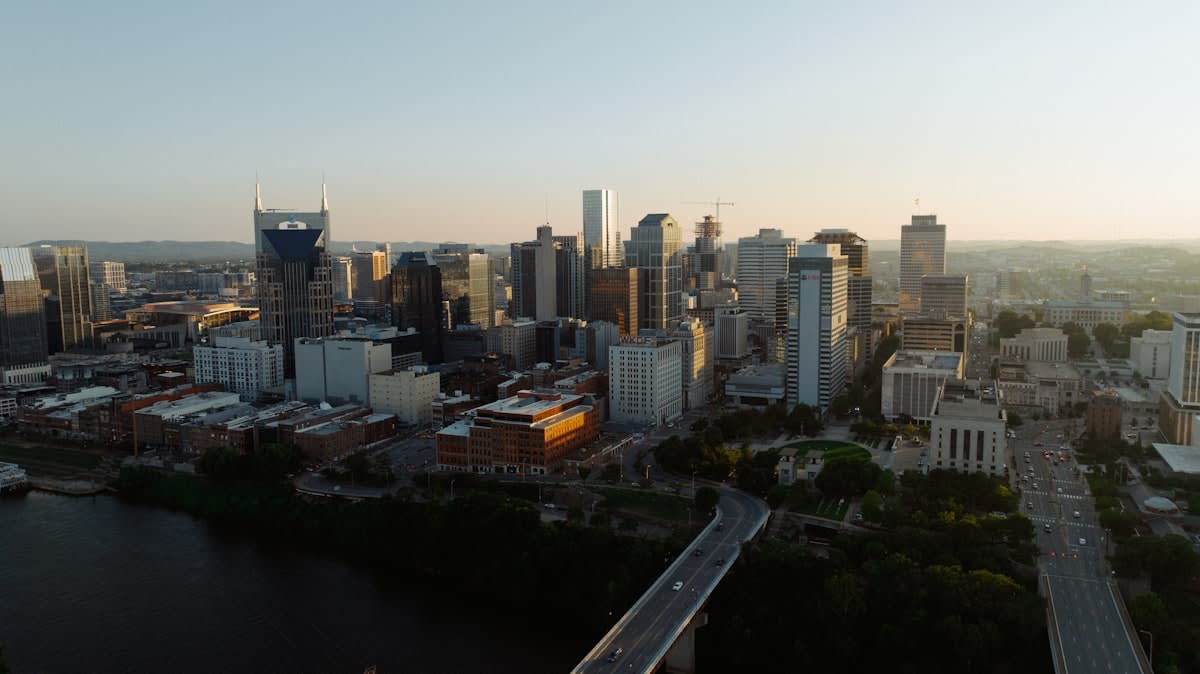
The old map of power is obsolete. For a century, the narrative was simple: if you wanted to reach the apex of finance, tech, or art, you moved to the biggest city in the region. You endured the crushing rents of London, the chaotic congestion of Tokyo, or the suffocating density of New York because the 'agglomeration effect'—the idea that proximity to other high-performers accelerates success—outweighed the cost of living. But that equation has broken. We are witnessing a systemic decoupling where ambition is no longer tethered to the mega-metropolis.
This isn't a temporary retreat sparked by a pandemic; it is a structural realignment of human capital. The most ambitious people aren't looking for a quiet retirement; they are looking for a competitive advantage. In a mega-city, you are a small fish in a saturated pond where the cost of entry—both financial and mental—has reached a point of diminishing returns. In a secondary city, the same talent can command a disproportionate amount of influence, access, and quality of life. It is a play for leverage.
The Arbitrage of Ambition
The primary driver here is economic arbitrage. When a senior software architect or a hedge fund manager moves from San Francisco to Austin or from Paris to Lyon, they aren't just lowering their expenses. They are increasing their 'disposable ambition.' By slashing the percentage of their income dedicated to basic survival—housing and transit—they reclaim the cognitive bandwidth required for high-level innovation. According to data from the Brookings Institution, the migration of high-skill workers to mid-sized hubs has increased by nearly 15% in several developed economies over the last five years (Source: Brookings Institution, 2023).
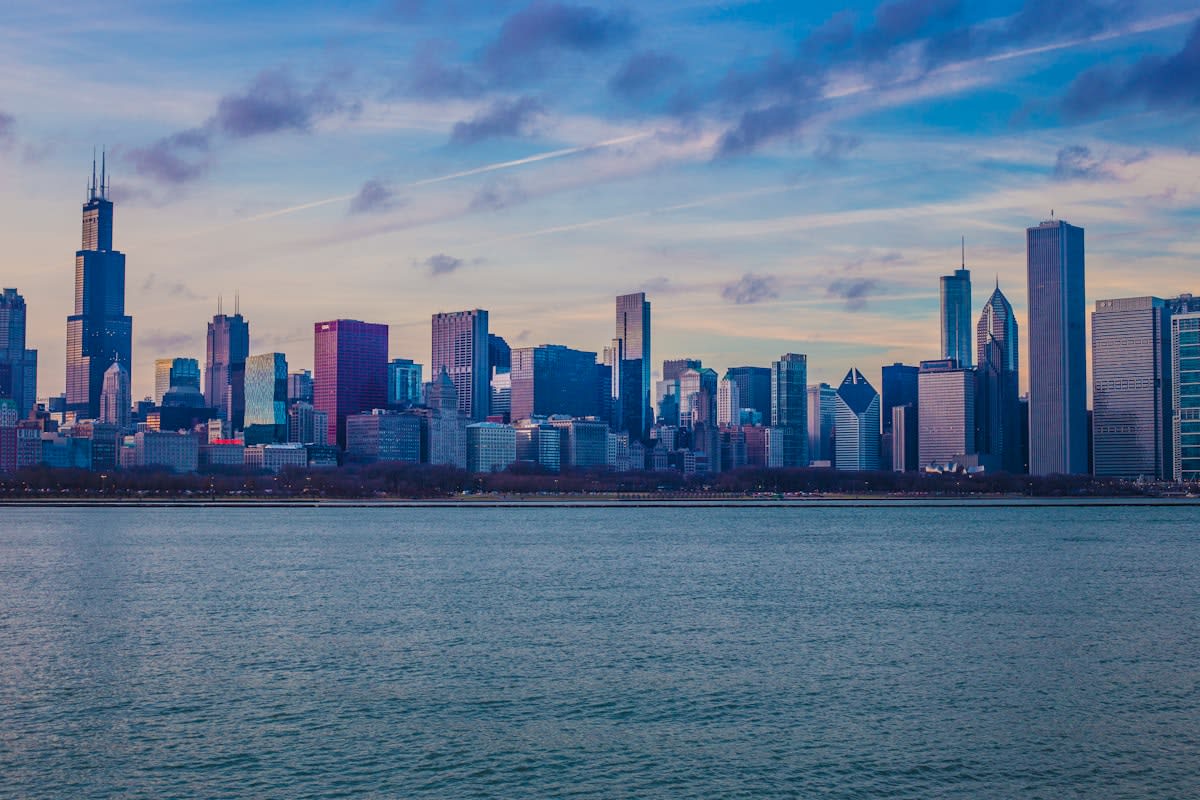
Why now? Because the digital infrastructure has finally caught up to the ambition. The 'prestige' of a physical office in a luxury zip code has been exposed as a vanity metric. When the friction of communication drops to zero, the only remaining reason to live in a mega-city is social signaling. But for the modern high-performer, the new status symbol isn't a penthouse in a crowded core; it is the ability to own a significant piece of real estate in a rising hub while maintaining a global network.
"The concentration of talent in a few 'superstar cities' created a fragility in our economic systems. The shift toward secondary cities isn't just a lifestyle choice; it is a diversification of the global intellectual portfolio."— Dr. Elena Rossi, Urban Economist at the OECD
This shift is visible across every continent. In Southeast Asia, we see a migration away from the suffocating density of Bangkok toward the growing tech ecosystems of Da Nang. In Europe, the 'polycentric' model is winning, with cities like Manchester and Munich offering a sophisticated alternative to the London-Paris axis. These aren't 'back-up' cities; they are becoming the primary laboratories for new industries.
The Practitioner's Friction: Agglomeration vs. Distribution
On the ground, this transition is not seamless. If you spend time in the boardrooms of global firms, the debate is fierce. The 'Agglomerationists' argue that spontaneous collisions—the chance meeting at a coffee shop in Manhattan or the late-night drink in Mayfair—are where the real deals happen. They believe that distributing talent kills the 'magic' of the hub. They view the secondary city as a place for execution, not for strategy.
The 'Distributionists,' however, argue that this 'magic' is actually just a form of inefficiency. They point to the burnout and attrition rates in mega-cities as the real cost of agglomeration. From a practitioner's perspective, the friction is now moving from the 'how do we work' phase to the 'how do we lead' phase. Managing a high-performance team across three secondary cities requires a different kind of leadership—one based on objective output rather than 'face time' in a prestige office.
| Metric | Mega-Metropolis (Avg) | Secondary Hub (Avg) | Impact on Talent |
|---|---|---|---|
| Rent-to-Income Ratio | 45-60% | 20-30% | Increased Capital Accumulation |
| Avg. Daily Commute | 75-90 mins | 20-40 mins | Recovered Cognitive Energy |
| Market Saturation | Extreme | Moderate | Faster Path to Leadership |
| Infrastructure Stress | High/Critical | Managed/Growing | Higher Quality of Life |
This data suggests a fundamental shift in the ROI of urban living. When the cost of existence consumes 60% of your income, your risk tolerance drops. You stop taking the bold leaps that define true ambition. Conversely, the secondary city acts as a catalyst for entrepreneurship because the 'floor' is lower. It is easier to fail and restart in a city like Curitiba or Lyon than it is in São Paulo or Paris.
The New Urban Hierarchy
We are moving toward a polycentric world. The mega-city will not disappear, but its role is changing. It will become a 'destination hub'—a place for high-impact events, quarterly meetings, and luxury consumption—rather than a permanent residence for the workforce. The secondary city is where the actual building happens. (Source: UN-Habitat Urban Trends Report, 2024).
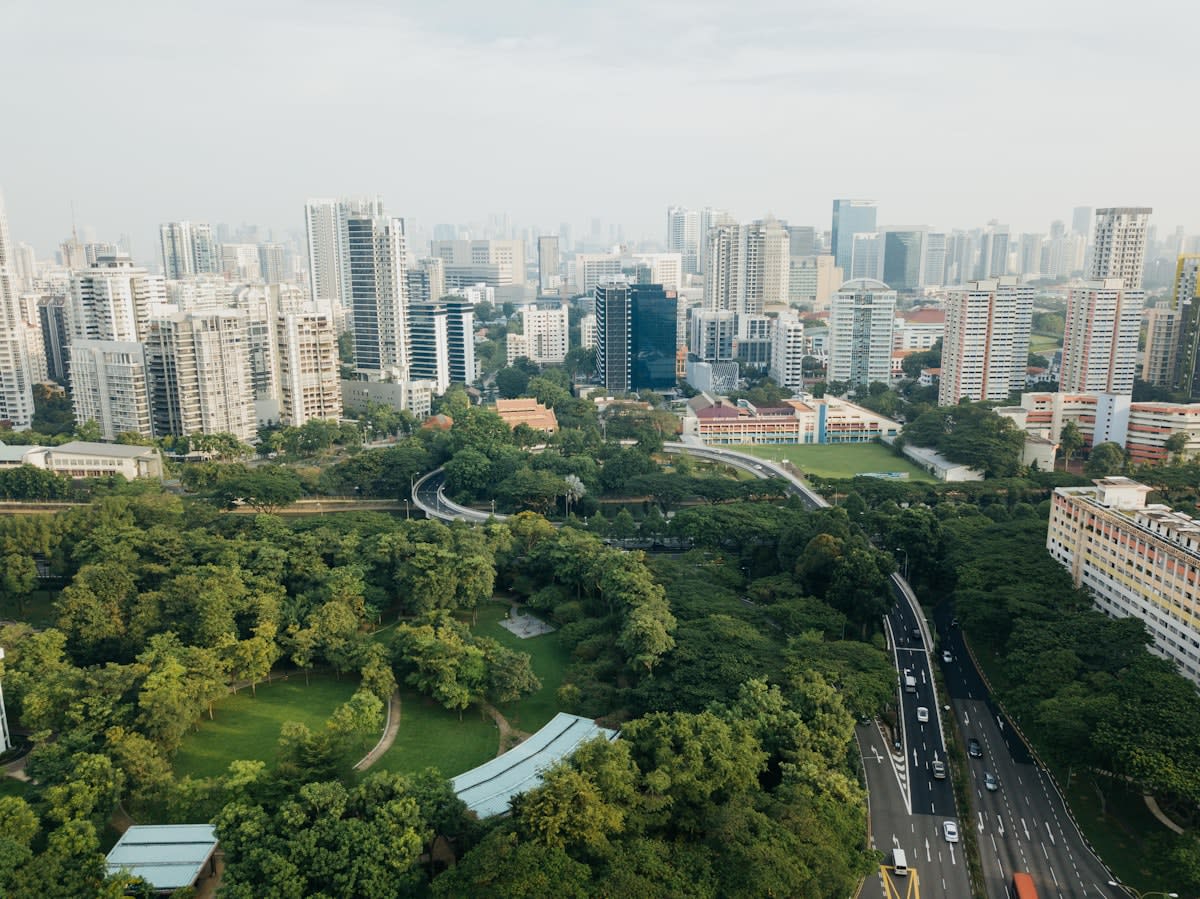
Consider the rise of 'Specialized Hubs.' Instead of one city doing everything, we see the emergence of regional centers that dominate specific niches. One city might become the global center for sustainable AgTech, while another focuses on FinTech for emerging markets. This specialization allows secondary cities to attract global talent without needing to compete with the sheer scale of a mega-metropolis.
- Capital Arbitrage: Lowering overhead to increase personal investment capacity.
- Cognitive Recovery: Reducing commute and noise pollution to increase deep-work capacity.
- Influence Scaling: Moving from a saturated market to one where talent is scarce and highly valued.
- Network Diversification: Building bridges between the global core and emerging regional markets.
The result is a redistribution of intellectual wealth. For too long, the world's best minds were concentrated in a handful of square miles. This created a fragile system where a single local crisis—be it a housing bubble or a transit failure—could paralyze an entire industry. By spreading the 'ambition' across a network of secondary cities, the global economy becomes more resilient.
Is this the end of the city? Far from it. It is the evolution of the city. The ambition hasn't left the urban environment; it has simply stopped accepting the 'mega-city tax.' The winners of the next decade will be those who recognize that the center of the world is no longer a single point on a map, but a distributed network of high-performance nodes.
Fact-Check & Accuracy Note
The key claims regarding migration trends and the 'polycentric model' are sourced from reports by the Brookings Institution (2023) and UN-Habitat (2024). The economic arbitrage theory is a widely debated framework in urban economics, though the exact percentage of 'cognitive bandwidth' recovered remains a qualitative analysis rather than a quantitative certainty.