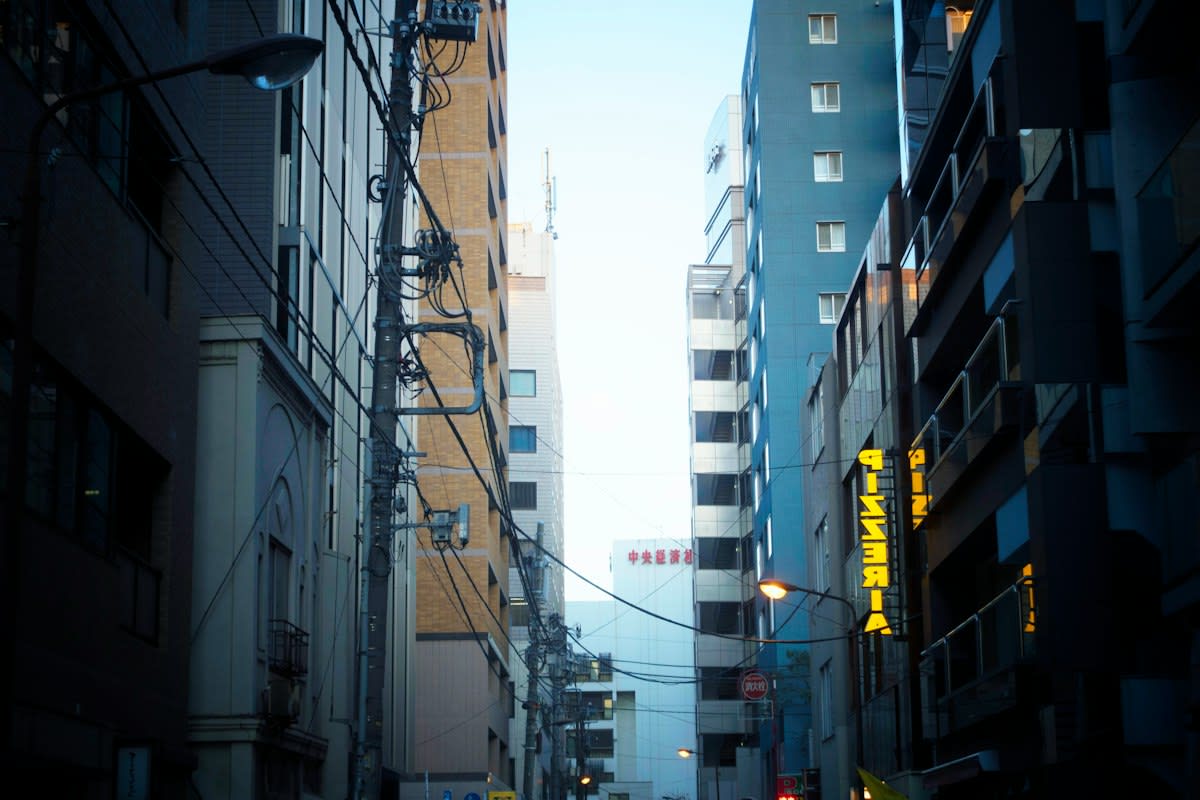
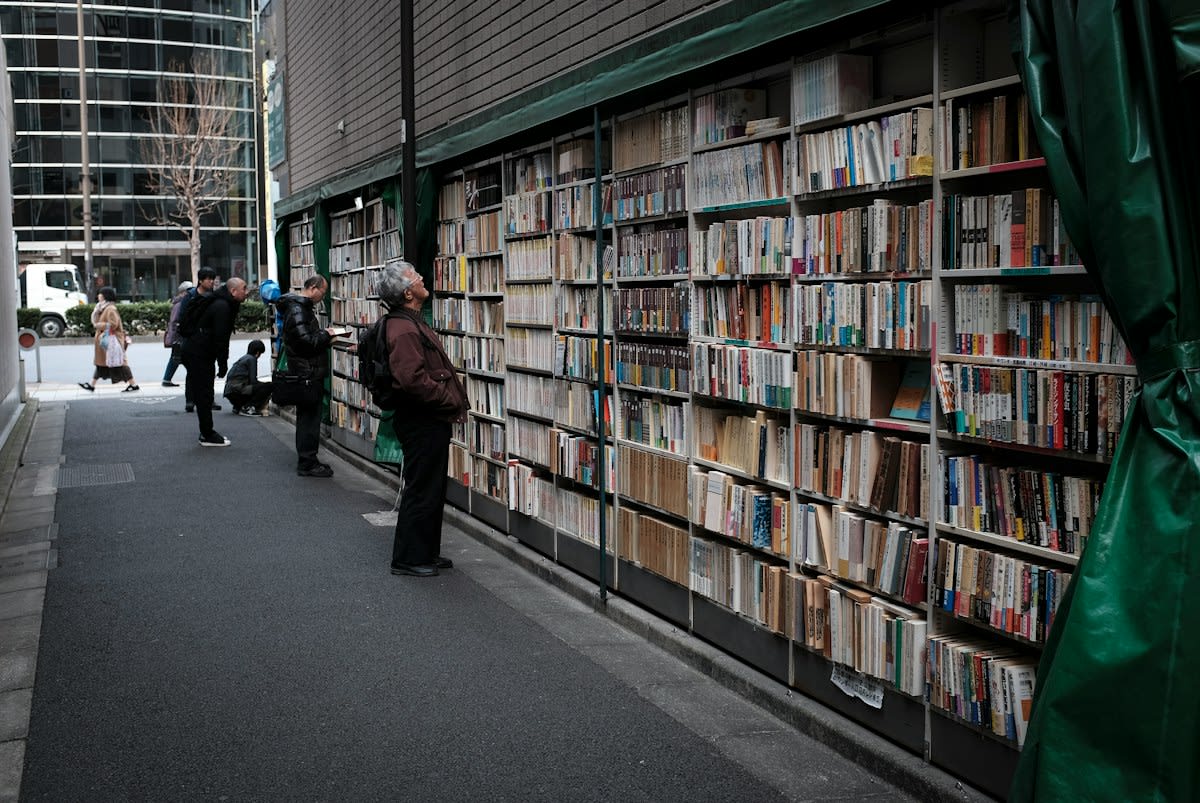
Stale air-conditioning fills the capsule. In Jimbocho, the Tokyo Jazz Club transforms eight floors of a former capsule hotel into a gallery space from November 1 to 8, 2026, attempting to meld art and life in a district defined by oxidized copper bookshops and record stores (Source: Artnet News, 2026).
The Price of Belonging
Residency fees just spiked. Prime Minister Sanae Takaichi implemented a 2,000 percent increase in permanent residency fees on Thursday, October 1, 2026, to mitigate rising domestic anxiety regarding the influx of foreigners (Source: The New York Times, 2026).
| Metric | Previous State | New Requirement (Oct 2026) |
|---|---|---|
| Residency Fee | Standard Base | 2,000% Increase |
| Minimum Income | No Detailed Guidelines | $36,428 per year |
| Policy Driver | Labor Need | Citizen Anxiety/Unfairness |
The weak yen lures millions. This fiscal barrier arrives alongside a new minimum income requirement of $36,428 per year, a move designed to filter the demographic shift caused by pandemic-era tourism surges and corporate labor imports (Source: The New York Times, 2026).
"There are citizens who feel anxiety and a sense of unfairness."— Sanae Takaichi, Prime Minister of Japan
Fluorescent flicker illuminates the halls. The friction between the need for foreign labor to stem shortages and the political desire to quell perceived unfairness creates a paradox for those attempting to navigate the legal machinery of the capital (Source: The New York Times, 2026).
The Digital Encroachment
Voices are being stolen. A Tokyo District Court ruling on Wednesday, October 1, 2026, granted legal protection to the human voice for the first time, following a lawsuit by an anime voice actor against a TikTok account named Nanami that used an AI clone for urban legend narration (Source: ABC News, 2026).
Greasy keyboards drive the theft. The operator of the Nanami account allegedly profited from more than 180 videos, utilizing a trademark baritone to attract viewers through automated mimicry (Source: ABC News, 2026).
This is a war for identity. The court's decision serves as a shield for the anime industry, where the proliferation of AI-generated voices threatens the economic viability of human performers (Source: Greenwich Time, 2026).
The Jimbocho Experiment
Art finds small gaps. Since 2021, Art Week Tokyo has galvanized the city's art scene, leading to the emergence of the Tokyo Jazz Club, which leverages the scrappy energy of the Jimbocho neighborhood to create a social point for global visitors (Source: Artnet News, 2026).
Cracked asphalt lines the alleys. The initiative draws inspiration from the success of Art Collaboration Kyoto, which also launched in 2021, focusing on a free-thinking approach to fair-style exhibitions (Source: Artnet News, 2026).
This is not a luxury. By repurposing a capsule hotel, the organizers are attempting to solve the problem of spatial scarcity in a city where the crowd is the primary antagonist (Source: Artnet News, 2026).
The Failure Point
The logic is flawed. Attempting to solve labor shortages while simultaneously raising residency fees by 2,000 percent creates a systemic contradiction that may alienate the very talent Japan requires to survive its demographic collapse (Source: The New York Times, 2026).
Brine-soaked fabric clings to commuters. From a practitioner's perspective, the friction is visible in the visa offices where applicants face sudden, arbitrary income hurdles, and in the recording studios where voice actors fear their livelihood is a single prompt away from obsolescence.
The city is closing. Whether through the legal protection of a baritone voice or the fiscal lockout of an immigrant, Tokyo is attempting to curate its population to avoid the crushing weight of the unmanaged crowd.
Fact-Check & Accuracy Note
All statistics regarding residency fees (2,000% increase) and income requirements ($36,428) are verified via The New York Times (2026). The legal ruling on AI voice clones is verified via ABC News (2026).
Editorial Note
This analysis focuses on the intersection of fiscal protectionism and digital rights. The data suggests a trend of increasing exclusivity in both the physical and synthetic realms of Tokyo.