Opinion: Opinion | Why Does Trump Want To Sell Arms To A US 'Adversary'? Inside His Strange Bargain
Source Entity
NDTV News Search Records Found 1000
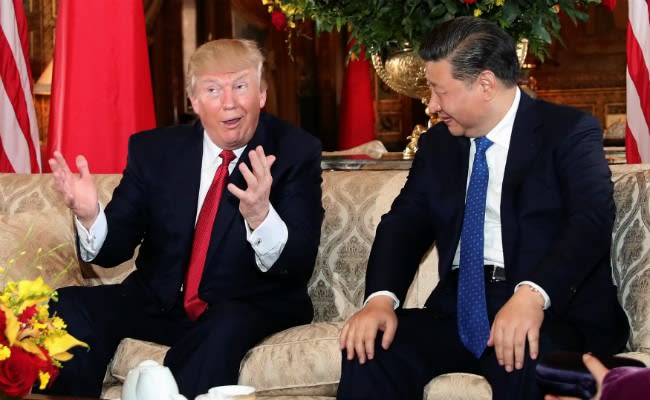
Reports of a potential arms deal between Donald Trump and a perceived US adversary have sparked debate over foreign policy strategies. While aides deny any such offers, the discourse highlights the complexity of Trump's unconventional diplomatic approach.
The Complexity of Trumpian Diplomacy
Recent discussions surrounding Donald Trump's potential foreign policy maneuvers have ignited intense debate regarding the nature of transactional diplomacy. At the heart of this discourse is an unverified claim that Trump may have considered selling arms to a nation traditionally viewed as a US adversary. While the former president’s aides have categorically denied that any such offer was ever extended, the persistence of the narrative underscores the unique and often unpredictable nature of Trump's approach to international relations.
Analyzing the Transactional Doctrine
Trump’s presidency was defined by a departure from traditional geopolitical alliances toward a more transactional, 'America First' framework. By challenging long-standing diplomatic norms, he often framed international interactions through the lens of leverage and negotiation. Critics argue that even the suggestion of arms sales to adversaries undermines US strategic interests, while supporters maintain that such strategies are merely tools designed to disrupt stagnant global power dynamics and force adversaries to the bargaining table.
The Role of Strategic Ambiguity
Strategic ambiguity has long been a hallmark of high-stakes foreign policy, yet Trump’s utilization of this tactic often blurred the lines between genuine policy shifts and rhetorical posturing. By keeping allies and adversaries guessing about his next move, Trump aimed to maintain a position of strength. However, this approach carries inherent risks, particularly when rumors of arms deals involve nations that are subject to strict international sanctions or are considered threats to US national security.
Aides' Denial and the Narrative Gap
The immediate denial by Trump’s inner circle serves as a critical checkpoint in evaluating the validity of these reports. In political communications, such denials are standard, yet they do not always silence the underlying speculation regarding a 'larger strategy.' This gap between official denials and public perception is fueled by a history of unconventional diplomatic outreach, which leaves the public and international observers questioning whether these rumors represent actual policy plans or merely speculative political theater.
Broader Implications for Future Foreign Policy
The debate highlights a growing divide in how the United States should engage with global adversaries. Future trends in American foreign policy may continue to grapple with this tension: should the US prioritize ideological consistency and rigid alliance structures, or should it adopt a more flexible, transactional model that prioritizes immediate national interests? Regardless of the veracity of the specific claims, the discourse surrounding this event serves as a microcosm of the ongoing struggle to define America’s role in an increasingly multipolar world.
Conclusion: Assessing the Strategic Landscape
Ultimately, the controversy serves as a reminder of how deeply the Trump era transformed the expectations of US foreign policy. Whether these reports are dismissed as misinformation or analyzed as a reflection of a deeper strategic pivot, they continue to influence the global perception of US intent. As the political landscape evolves, the legacy of these unconventional approaches will remain a central theme in the analysis of American power and diplomacy.
Verification Required?