Gandak floods Bihar’s West Champaran as three embankments breach, creates panic among residents
Source Entity
India Latest News: Top National Headlines Today & Breaking News | The Hindu
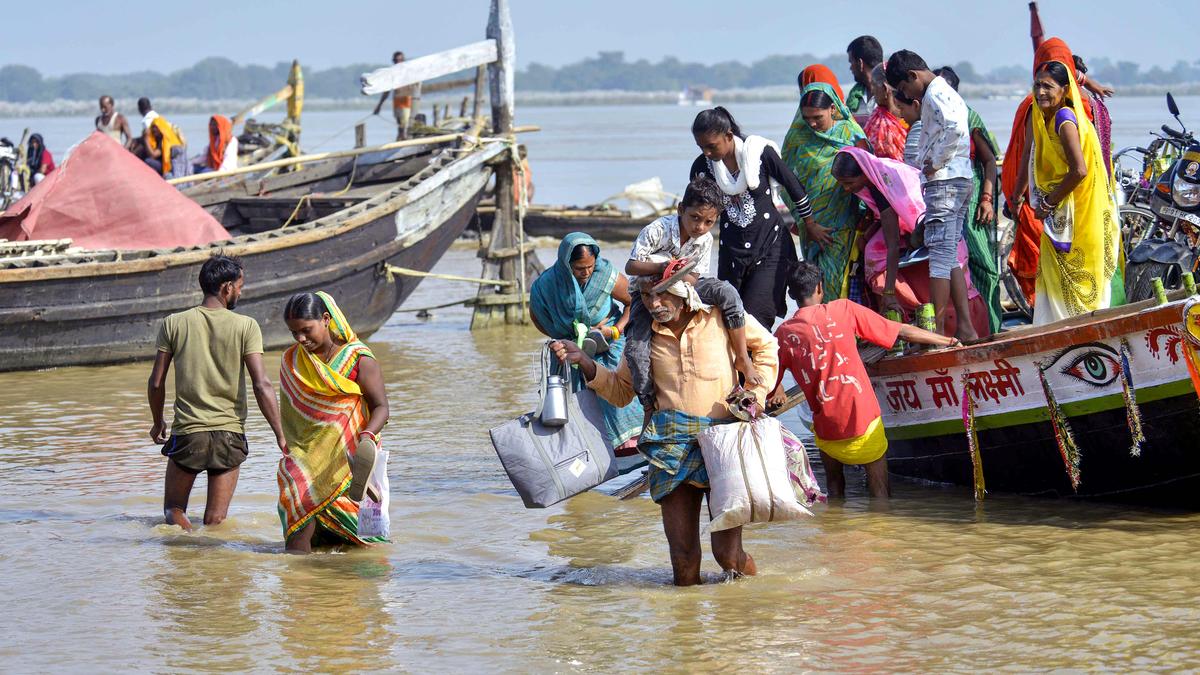
Severe flooding in Bihar's West Champaran district has occurred following the breach of three Gandak river embankments after heavy rainfall in Nepal. The disaster has inundated agricultural lands and urban areas, threatening multiple districts across the Indo-Nepal border.
Crisis in West Champaran: Gandak River Embankments Breach
The state of Bihar is currently grappling with a severe hydrological emergency as the Gandak River, locally known as the Narayani in Nepal, has breached at least three vital embankments. Triggered by intense precipitation in the upper catchment areas of Nepal, the resulting surge of water has caused widespread inundation across the West Champaran district. This event, unfolding between September 28 and September 29, 2026, has forced local populations into a state of panic as floodwaters rapidly engulfed low-lying residential zones and critical agricultural lands.
The Impact of Transboundary Water Flows
The geography of Bihar makes it uniquely susceptible to transboundary flooding. When heavy rains occur in the Himalayan catchment areas of Nepal, the massive discharge of water flows downstream into the plains of Bihar. The recent breaches, specifically at Kharatwa Daroga Chowk in the Singhari Pipariya panchayat, illustrate the vulnerability of the Valmikinagar barrage region. The sudden release of water has overwhelmed local flood-control infrastructure, leading to the flooding of the Bagaha town area and destroying crops that are essential to the regional economy.
Broader Regional Threats
Beyond the immediate crisis in West Champaran, the situation is exacerbated by the fact that multiple major river systems—the Kosi, Bagmati, and Sone—are simultaneously in spate. This creates a compounding effect, where the entire northern belt of Bihar faces an elevated risk of systemic flooding. The rising water levels across these river basins suggest that the current threat is not isolated but part of a larger, regional climate-induced crisis that challenges the structural integrity of existing earthen embankments and flood-mitigation systems.
Historical Context and Infrastructure Challenges
Bihar has a long, documented history of seasonal flooding, often attributed to the high siltation rates and the erratic nature of Himalayan rivers. The reliance on embankments to contain these powerful waterways has historically been a double-edged sword. While intended to prevent overflow, these structures often restrict the river's natural floodplains, leading to higher velocity flows and, ultimately, more catastrophic breaches when the water volume exceeds threshold levels. The events of late September 2026 serve as a stark reminder of the limitations of static engineering solutions against volatile weather patterns.
Future Trends and Resilience Requirements
Looking forward, the increasing frequency of extreme weather events in the Indo-Nepal border region necessitates a paradigm shift in disaster management. Future trends indicate that unless there is improved transboundary data sharing and a transition toward more resilient flood-management strategies—such as restoring natural drainage paths and improving early warning systems for communities in Bagaha and beyond—these districts will continue to face annual cycles of destruction. The current breach cycle highlights the urgent need for long-term investment in regional infrastructure that can withstand the intensified hydrological pressures of the coming decade.
Verification Required?