In Flood-Hit Nepal, Teachers Mourn Students Who Never Returned
Source Entity
NDTV News Search Records Found 1000
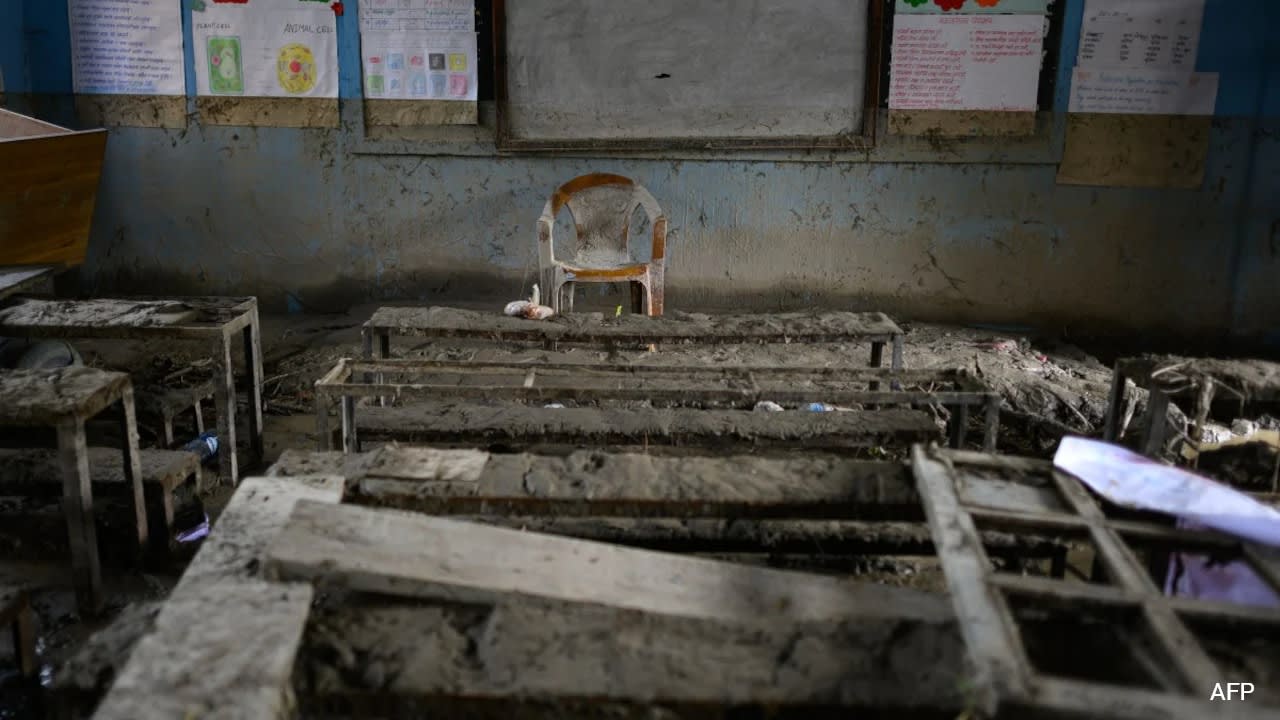
Nepal is grappling with the aftermath of devastating floods that claimed the lives of numerous students. Educators highlight that the long-term psychological trauma among survivors and school communities presents a greater recovery challenge than physical reconstruction.
The Silent Crisis in Post-Flood Nepal
Recent catastrophic flooding in Nepal has left a trail of devastation that extends far beyond physical geography. While international aid and local government efforts are currently focused on the immediate task of clearing debris and restoring damaged school infrastructure, educators on the ground are sounding an alarm regarding a far more insidious and persistent consequence: the profound psychological trauma inflicted upon the student population.
The Weight of Unfilled Desks
For teachers returning to classrooms in flood-hit regions, the absence of students who never returned is a haunting reality. The loss of life among the youth is not merely a statistical tragedy; it represents a fundamental rupture in the social fabric of rural Nepali communities. Educators report that the grief process is being complicated by the suddenness of the disaster, leaving surviving students to navigate a world that feels inherently unsafe and unpredictable.
Infrastructure vs. Mental Health
While the reconstruction of walls, roofs, and desks is a quantifiable process that can be addressed through engineering and funding, the healing of a child’s psyche is an intangible and slow-moving endeavor. Teachers are observing signs of acute distress, including withdrawal, anxiety, and learning regression. The consensus among school staff is that the mental burden of these events may persist for years, potentially overshadowing the physical recovery efforts that currently dominate the news cycle.
Broader Implications for Education
This disaster highlights a critical vulnerability in Nepal's educational resilience. When schools are treated solely as physical infrastructure, the socio-emotional needs of the students during crises are often ignored. The trauma described by these teachers serves as a stark reminder that educational continuity requires robust psychosocial support systems that are integrated into the national disaster response framework.
Historical Context and Future Trends
Nepal has long been susceptible to extreme weather events due to its complex topography and the intensifying impacts of climate change. As flood frequency and intensity rise, the psychological impact on the nation’s children becomes a growing concern for public health officials. Future disaster mitigation strategies must evolve to prioritize 'trauma-informed education,' ensuring that schools act as sanctuaries of stability rather than just buildings that can be swept away.
Conclusion
The tragedy in Nepal is a sobering call to action. As the nation begins the arduous process of rebuilding, it is imperative that policymakers recognize that the true cost of these floods will be measured not just in dollars or structural damage, but in the well-being of the next generation. Addressing the psychological scars of the students must be placed at the forefront of the long-term recovery strategy.
Verification Required?