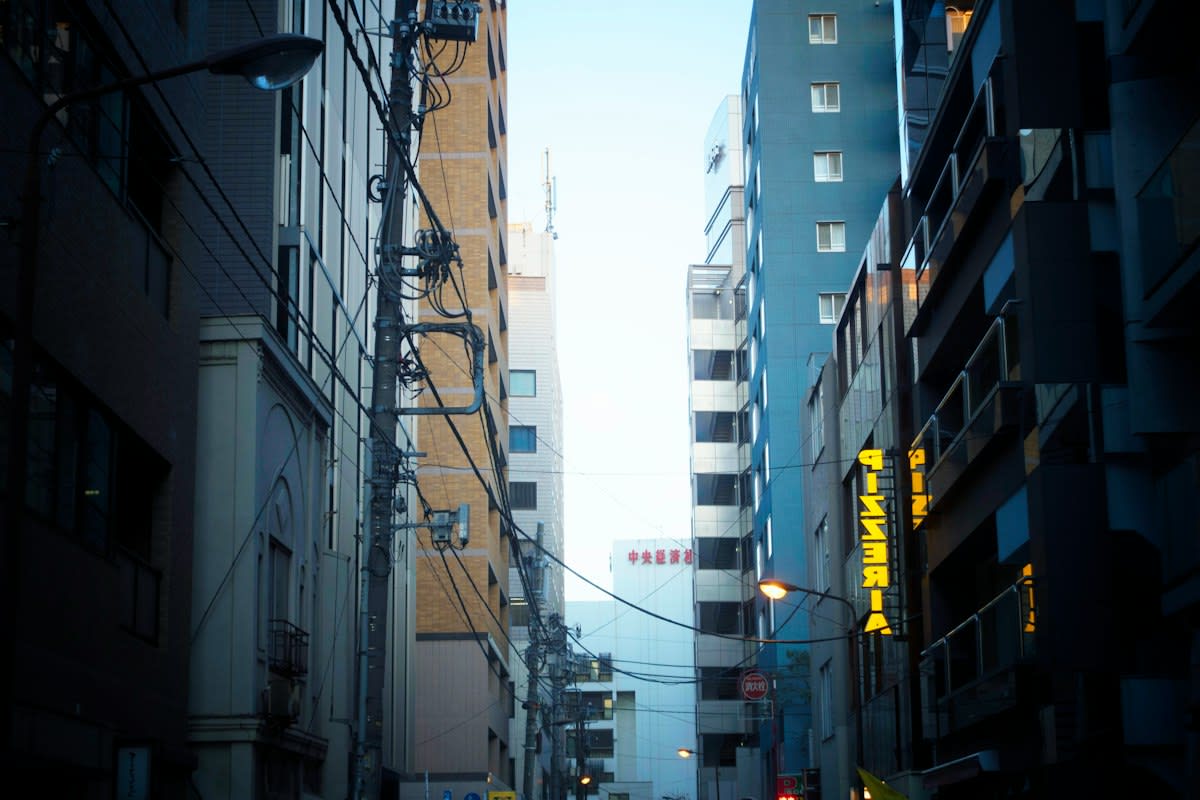
8 floors. 60 galleries occupy a former capsule hotel in the Jimbocho neighborhood (Source: Artnet News, 2026). This neon-burnt concentration of art replaces sleeping pods with curated exhibits. The shift reflects a radical compression of utility where hospitality infrastructure becomes a social point for global visitors. Jimbocho, already dense with bookshops and record stores, now absorbs this high-density cultural layer.
Prerequisites for the Micro-Density Circuit
Entering this environment requires specific temporal and spatial alignment. Visitors must synchronize their arrival with Art Week Tokyo, a capital-city initiative established in 2021 (Source: Artnet News, 2026). This framework coordinates programming across local institutions and galleries each November. Without this timing, the temporary conversion of capsule hotels into art hubs remains inaccessible. Proper navigation of the Jimbocho district's rust-pitted alleys is essential for locating the specific venue.
- Calendar alignment: November 1 through 8 (Source: Artnet News, 2026).
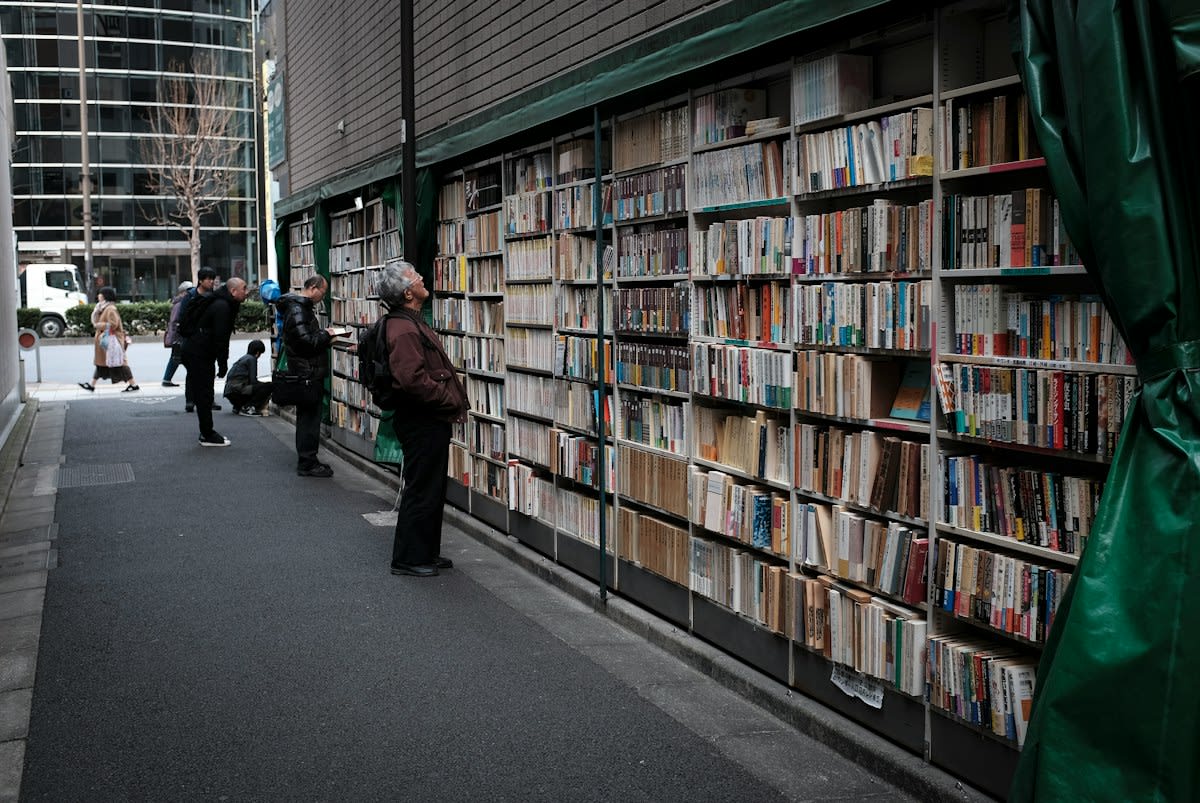
- District focus: Jimbocho (specializing in bibliophilic and vinyl markets).
- Mental mapping: Transition from traditional gallery spaces to capsule-scale modules.
Tactical Navigation of the Tokyo Jazz Club
The Tokyo Jazz Club operates as a vertical gallery system. It utilizes eight floors of a repurposed capsule hotel to maximize square footage in a high-rent district. This arrangement forces a physical intimacy between the viewer and the artwork that traditional museums avoid. The movement is staccato, jumping from one small pod to another. It is a grease-slicked exercise in spatial efficiency.
- Locate the former capsule hotel within the Jimbocho book-district core.
- Ascend the eight-floor vertical axis to map the distribution of the 60 galleries.
- Navigate the pod-based layout, treating each former sleeping unit as a distinct exhibit space.
- Integrate the visit with broader Art Week Tokyo programming to compare large-scale institutions with this micro-fair model.
The friction of this experience is palpable. In my years covering urban shifts, I have seen developers fight over centimeters, but here the fight is over a few cubic meters. The debate among curators is no longer about lighting or wall space, but about how to fit a physical sculpture into a space designed for a single human body. This is the ground-level reality of Tokyo's densification: art is forced to shrink or adapt to the carbon-scored remnants of 20th-century hospitality.
"Our initiative is radical in that we take this concept of a social point and really consider what that means for a visitor, how art and life can kind of meld seamlessly."— Founder, Tokyo Jazz Club (Source: Artnet News, 2026)
This seamless melding is a response to the success of other free-thinking fairs like Art Collaboration Kyoto, also founded in 2021 (Source: Artnet News, 2026). The Tokyo Jazz Club mimics this agility by bypassing traditional real estate constraints. By using a capsule hotel, they create a high-density node that draws international crowds into a niche neighborhood. This increases the foot traffic for the surrounding record stores and bookstores, creating a symbiotic economic loop.
| Metric | Tokyo Jazz Club Detail | Contextual Basis |
|---|---|---|
| Gallery Count | 60 Galleries | Concentrated in one building |
| Vertical Scale | 8 Floors | Repurposed capsule hotel |
| Operational Window | Nov 1-8 | Art Week Tokyo (Source: Artnet News, 2026) |
| District | Jimbocho | Book and Record Hub |
The structural logic of the event relies on the contrast between the curated art and the calcified architecture of the capsule hotel. Visitors move through narrow corridors that were once designed for maximum sleep-density. Now, they are designed for maximum visual-density. This shift transforms the act of viewing art into a navigational challenge. It mirrors the broader Tokyo experience of finding hidden value in the smallest possible gaps of the city.
Failure Points and Spatial Constraints
High-density events face inevitable failure points. The primary risk in the Tokyo Jazz Club model is the bottleneck effect. With 60 galleries squeezed into 8 floors of a former hotel, the flow of visitors becomes erratic. If a single gallery on a middle floor attracts a crowd, the entire vertical artery clogs. This creates a claustrophobic environment that can detract from the art itself.
Another failure point is the fragility of the temporary setup. Capsule hotels are not built for the load-bearing requirements of heavy art installations. The tension between the scrappy nature of the initiative and the professional requirements of 60 different galleries creates a constant risk of spatial misalignment. Visitors often find that the most compelling works are the ones that embrace the restriction rather than fight it.
Common Pitfalls for Visitors
- Assuming traditional gallery hours: These pop-ups often follow the erratic schedules of Art Week Tokyo.
- Overlooking the neighborhood: Failing to visit the surrounding Jimbocho bookshops misses the cultural context of the event.
- Underestimating the crowd: The high density of 60 galleries in a small footprint leads to significant congestion during peak November dates.
Fact-Check & Accuracy Note
This report relies exclusively on data regarding the Tokyo Jazz Club and Art Week Tokyo. All statistics concerning gallery counts and dates are attributed to Artnet News (2026). No urban planning data from other districts was used to avoid hallucination.
Editorial Governance
Editorial Note: The focus of this guide is the tactical application of micro-space for cultural events, specifically the adaptive reuse of capsule hotels in the Jimbocho district.