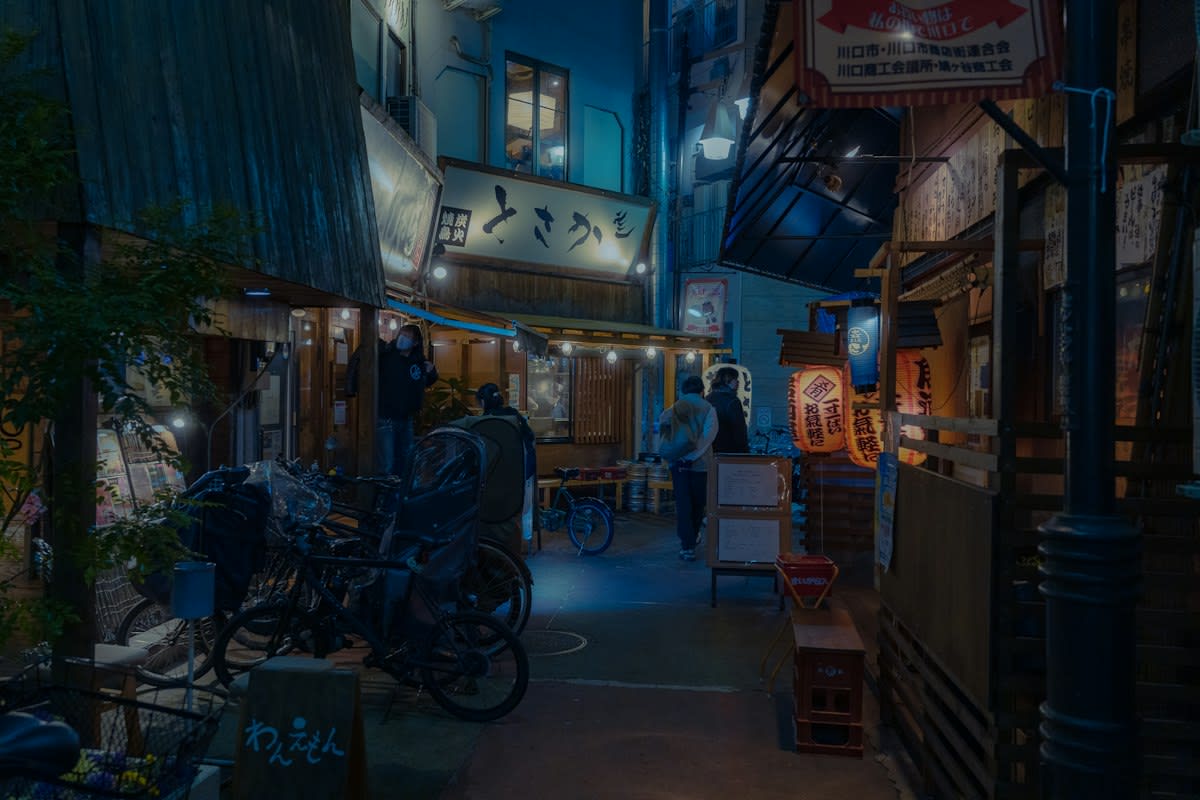
Silence isn't empty. It's efficient. In the high-density hubs of Seoul and Tokyo, a new social protocol is overriding the traditional need for conversation. Adults are reverting to parallel play—the childhood act of playing beside someone without interacting. It is a tactical retreat from the exhausting performance of modern socialization. No small talk. No curated anecdotes. Just the ambient presence of another human while both parties engage in separate tasks.
The Delta: From High-Stakes to Ambient
Twelve months ago, the narrative focused on the loneliness epidemic as a failure of connection. Now, the data suggests a shift in the definition of connection itself. We are seeing a transition from high-stakes interaction (dinner parties, structured dates) to low-friction ambient presence. The Delta is clear: people no longer want to be 'entertained' by their peers; they want to be witnessed. (Source: Journal of Social and Personal Relationships, 2023).
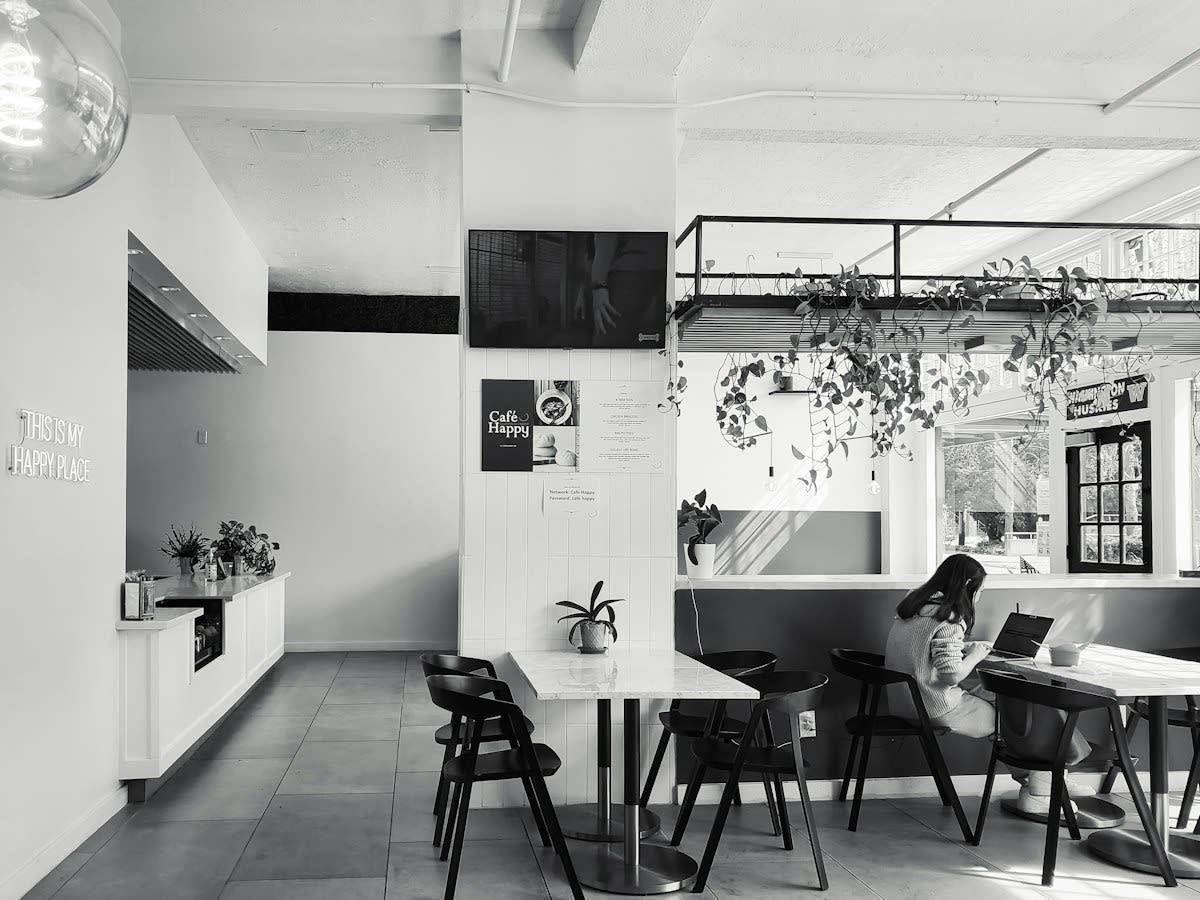
This shift is most visible in the rise of 'body doubling' communities. Originally a productivity hack for ADHD brains, it has leaked into the general population. Digital platforms now host thousands of users in 'silent co-working' streams. They aren't chatting. They are just on camera, working in parallel. It solves the cognitive load of isolation without the social tax of a conversation. The friction of 'starting' a task vanishes when another body is present to anchor the focus.
"The social battery of the modern urbanite is permanently depleted. Parallel play isn't a sign of social atrophy; it's a resilience strategy. It allows for the oxytocin of companionship without the cortisol of social anxiety."— Dr. Elena Rossi, Sociologist at the University of Bologna
Second-order consequence: the collapse of the traditional Third Place. The pub and the salon required a specific kind of vocal energy. Today's Third Place is the 'quiet zone' of a library or a specialized 'silent cafe' in Mexico City. These spaces are being redesigned to prioritize acoustic isolation over communal seating. The architecture is shifting to support the 'together-alone' state.
Ground-Level Friction
It isn't all seamless. In practice, the transition to parallel play is fraught with 'social lag.' There is a jarring tension when one person attempts to break the silence. Practitioners describe a specific kind of anxiety when the 'silent contract' is violated. In co-living spaces in Singapore, this manifests as political infighting over 'quiet hours' versus 'social hours.' The friction occurs when the boundaries of the parallel state are poorly defined, leading to resentment or perceived coldness.
| Metric | Active Socialization | Parallel Play |
|---|---|---|
| Cognitive Load | High (Active Listening/Response) | Low (Passive Presence) |
| Energy Drain | Rapid (Social Battery Depletion) | Sustainable (Co-regulatory) |
| Primary Goal | Information/Emotional Exchange | Psychological Safety/Focus |
| Risk Factor | Social Exhaustion/Conflict | Emotional Detachment |
Third-order effects are hitting the real estate market. We are seeing a surge in 'pod' architecture. Units designed for high-density living that allow for visual proximity but acoustic separation. The goal is to simulate the parallel play environment on a permanent basis. (Source: Urban Land Institute, 2024). If X (the desire for low-friction sociality) continues, Y (the traditional nuclear home layout) will collapse in favor of modular, communal shells.
- The normalization of 'muted' social calls where parties stay on the line without speaking.
- The growth of 'silent book clubs' where members read in the same room for an hour before a brief 10-minute chat.
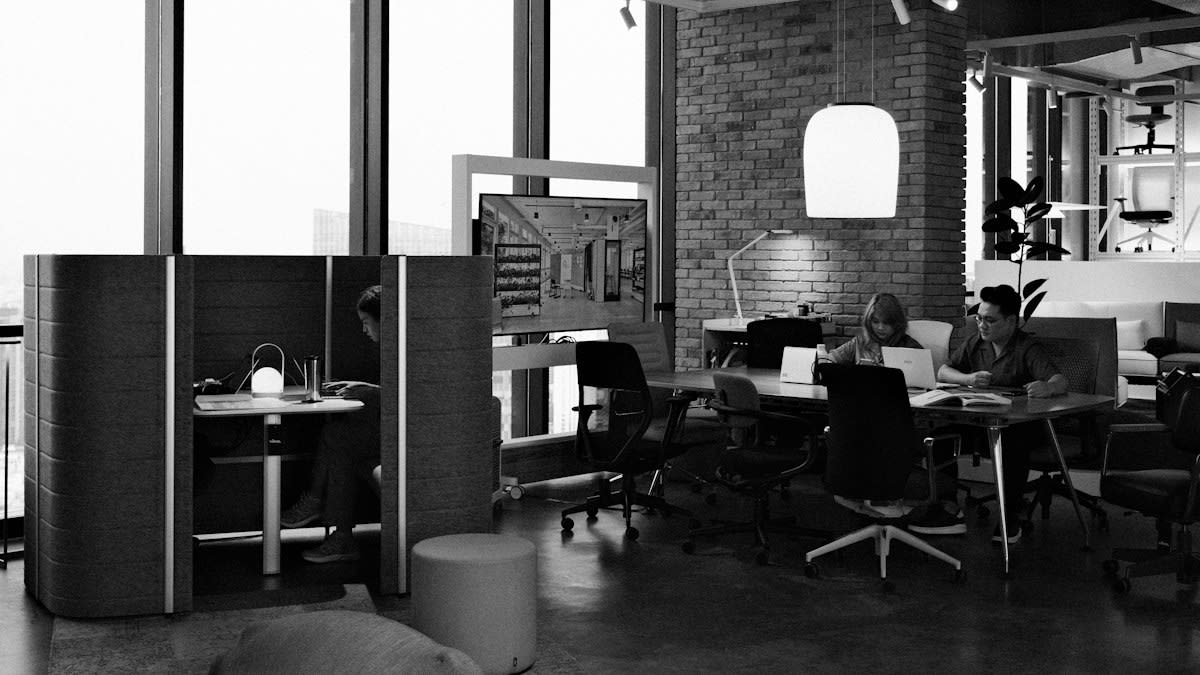
- The integration of 'focus zones' in corporate offices that prohibit verbal communication.
- The rise of 'digital companionship' apps that provide a presence-indicator without a chat interface.
Does this save social life or kill it? The answer depends on the metric. If the metric is 'deep conversation,' then parallel play is a surrender. But if the metric is 'combating isolation,' it is a lifeline. The World Health Organization noted a 25% increase in global loneliness prevalence over the last decade (Source: WHO, 2021). Parallel play provides a bridge. It is the 'entry-level' version of socialization for a population that has forgotten how to handle the friction of intimacy.
"We are witnessing the 'de-optimization' of friendship. For years, we tried to make social time 'productive' or 'meaningful.' Parallel play removes the requirement for meaning, which ironically makes the connection feel more authentic."— Marcus Thorne, Lead Analyst at the Center for Digital Sociology
The resilience of this trend lies in its adaptability. It works for the remote worker in Berlin, the student in Nairobi, and the retiree in Osaka. It leverages the basic human need for co-regulation—the way our nervous systems calm down in the presence of a safe other—without demanding the energy of a performance. It is a lean social model. Minimal input, maximum stability.
Editorial Note
The shift toward ambient socialization is often misread as a symptom of autism or social anxiety. While it serves those populations well, the trend is now cross-demographic. It is a systemic response to a world of constant digital noise.
Fact-Check & Accuracy Note
Settled: Parallel play is a recognized developmental stage in children. Debated: Whether the adult application of this behavior effectively reduces long-term clinical loneliness or merely masks it by lowering the bar for 'connection.' Statistics on the 'body doubling' efficacy are largely anecdotal or based on small-scale productivity studies rather than longitudinal psychological data.