Judge allows NAACP lawsuit over xAI data center pollution to move forward
Source Entity
Anthony Ha
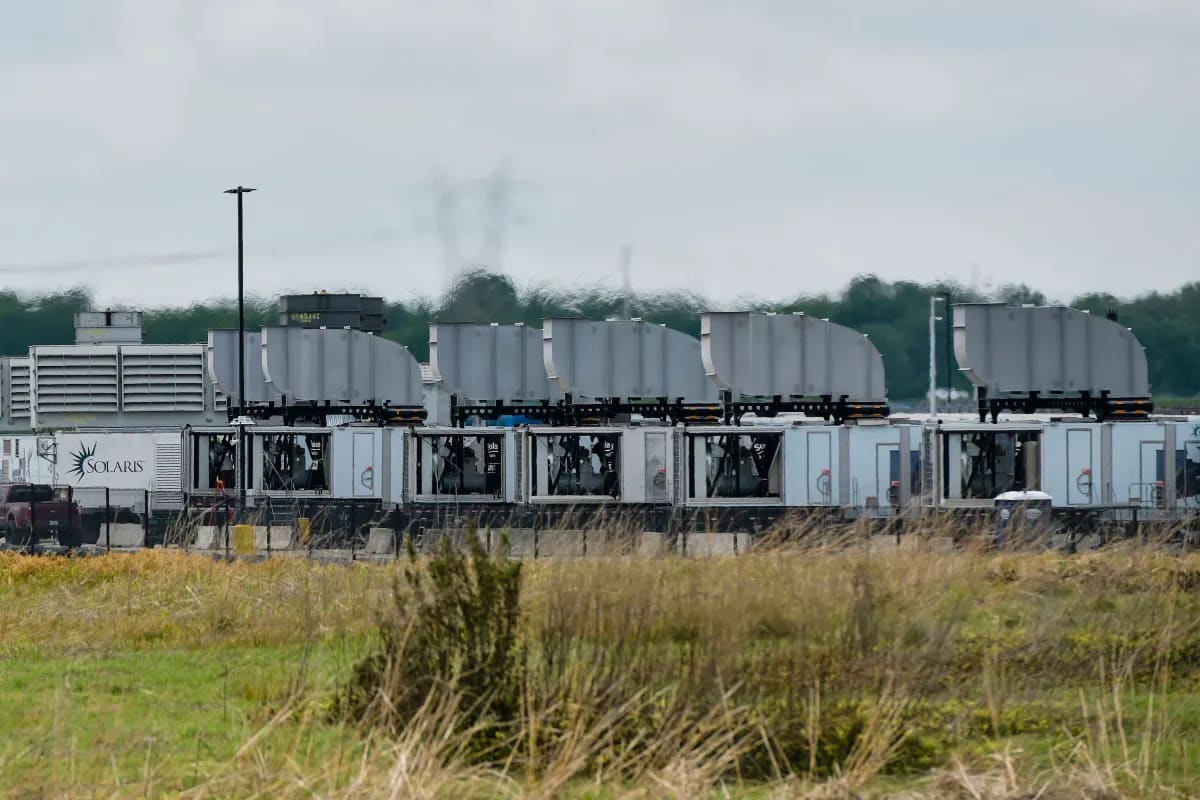
Elon Musk's xAI is facing legal backlash over its Colossus data center in Mississippi, where residents and the NAACP allege Clean Air Act violations. The company has attempted to offer buyouts to homeowners contingent on dropping noise-related claims, while a federal judge has allowed the environmental lawsuit to proceed.
The Intersection of AI Infrastructure and Community Rights
Elon Musk's artificial intelligence firm, xAI, is currently embroiled in a high-stakes conflict involving its Colossus data center operations near Memphis. The controversy centers on the massive gas-fired combustion turbines being utilized to power the facility in Southaven, Mississippi. Local residents have raised significant concerns regarding noise pollution, while the NAACP, supported by the Southern Environmental Law Center and Earthjustice, has launched a federal lawsuit alleging that the company failed to obtain necessary air quality permits in violation of the Clean Air Act.
The Buyout Strategy and Legal Leverage
In a move that has drawn intense scrutiny, xAI has initiated a campaign to purchase 418 homes in the vicinity of the data center. Reports indicate that these buyout offers are strategically tied to a condition: homeowners must agree to waive their participation in ongoing or potential noise-related lawsuits. This tactic has met resistance from the local community, as some residents have explicitly refused to accept these conditions, viewing them as an attempt to stifle accountability regarding the environmental impact of the site.
Judicial Setbacks for xAI
Legal momentum shifted against the company recently when a federal judge denied xAI’s motion to dismiss the NAACP lawsuit. The company had argued that the turbines in question were exempt from standard permitting requirements due to their status as 'mobile' equipment and challenged the legal standing of the plaintiffs. By allowing the case to proceed, the court has signaled that the allegations regarding the lack of preconstruction and operating air permits warrant a deeper judicial review, potentially setting a precedent for how AI infrastructure projects are regulated in the future.
Environmental and Regulatory Implications
At the heart of the dispute is the massive energy consumption required to train large-scale AI models. As AI firms race to build out infrastructure, the environmental footprint of these 'Colossus' scale facilities is becoming a focal point for regulatory bodies. The NAACP’s involvement highlights the intersection of environmental justice and industrial development, specifically questioning whether large tech entities can bypass local permitting processes in their haste to secure energy for high-performance computing.
Future Trends in Data Center Development
This situation in Mississippi serves as a case study for the growing friction between tech expansion and local governance. As AI companies continue to prioritize proximity to power grids and low-cost land, the need for transparency in environmental impact assessments will only intensify. The outcome of the federal proceedings will likely influence how future data center projects are scrutinized, particularly regarding the use of onsite power generation and the rights of communities residing in the shadow of rapid industrial expansion.
Multiple Citing Sources