Revolt in NC: 25 MLAs seek ministers’ ouster, J&K CM Omar Abdullah aide
Source Entity
NASEER GANAI
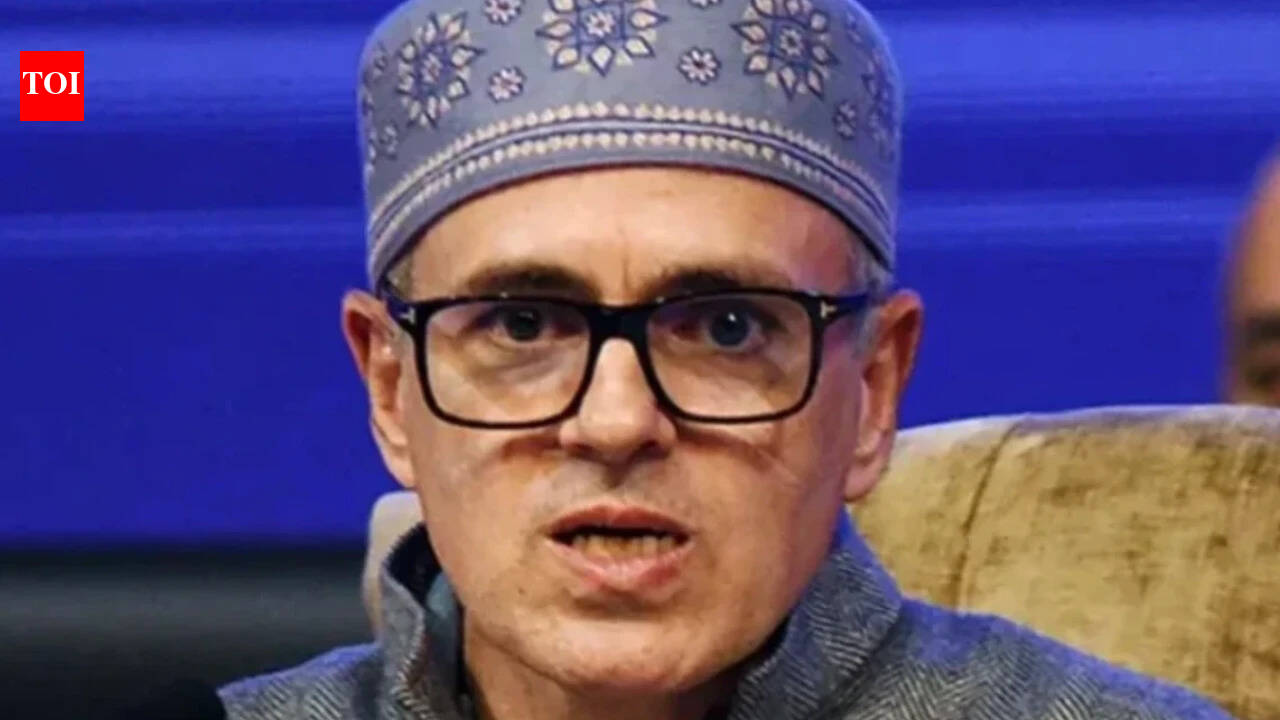
Internal dissent has erupted within Jammu and Kashmir's National Conference as 25 legislators demand a cabinet overhaul. The friction follows recent ministerial inductions, highlighting significant challenges for Chief Minister Omar Abdullah in managing party unity.
Internal Strife in Jammu and Kashmir's National Conference
The National Conference (NC) in Jammu and Kashmir is currently navigating a period of significant internal turbulence following the recent expansion of Chief Minister Omar Abdullah’s cabinet. Reports indicate that a substantial bloc of approximately 25 legislators has emerged in opposition, demanding a structural overhaul of the cabinet and the immediate removal of the Chief Minister’s political adviser. This development signals a profound challenge to the party’s leadership hierarchy and its ability to maintain a unified front in a sensitive political climate.
The Catalyst: Cabinet Expansion and Unmet Expectations
The immediate trigger for this organized pushback was the recent induction of four new ministers into the cabinet. While cabinet reshuffles are a standard procedural tool for governance, in this instance, the expansion served as a catalyst for long-simmering frustrations. Legislators involved in the dissent have openly signaled their unwillingness to accept the party’s decision-making process, suggesting that the selection criteria for the new ministerial roles failed to account for regional or factional expectations within the party.
From Murmurs to Organized Dissent
It is important to note that this unrest did not materialize in a vacuum. Before the formal cabinet expansion, there were already individual outbursts and visible murmurs of discontent within the ranks. However, the formal announcement of the new ministers moved these private grievances into the public sphere, culminating in an organized meeting of 18 aggrieved legislators at the residence of a party MLA in Srinagar. This shift from individual dissatisfaction to collective action indicates a high level of coordination among the dissenters.
Broader Political Implications
The discontent within the NC carries significant weight for the stability of the current administration. For Chief Minister Omar Abdullah, the task of balancing the aspirations of veteran party members with the need for a functional, efficient government is becoming increasingly difficult. The demand for the removal of his political adviser suggests that the dissenters are not just targeting ministerial appointments, but are also questioning the broader advisory structure and influence within the Chief Minister's office.
Future Trends and Leadership Challenges
Looking ahead, the party leadership faces a precarious path. If these grievances are not addressed through internal dialogue or strategic concessions, the NC risks deepening fractures that could hinder its legislative agenda. The ability of the Chief Minister to reconcile these competing interests while maintaining a cohesive government will be a defining test of his leadership. The current situation highlights the fragility of political coalitions and the necessity for transparent communication to prevent internal dissent from escalating into a broader crisis of governance.