From Mallikarjun Kharge's lawn, 250 opposition MPs 'impeach' CEC Gyanesh Kumar
Source Entity
TNN
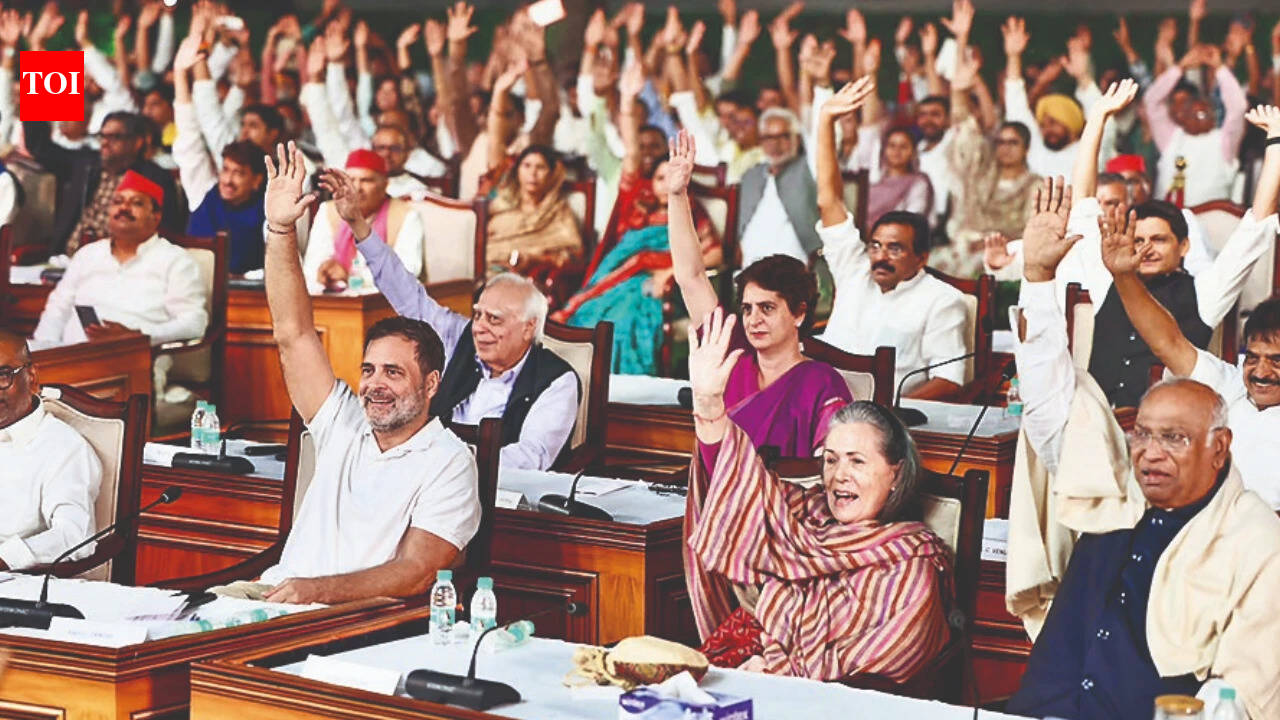
The INDIA bloc is staging a mass protest and 'public impeachment' against CEC Gyanesh Kumar over alleged electoral roll irregularities. Opposition leaders claim 13.2 crore voters were purged during the Special Intensive Revision (SIR) process.
The INDIA Bloc's Confrontation with the Election Commission
On November 1, 2026, the Indian National Developmental Inclusive Alliance (INDIA) bloc convened a significant rally at Delhi’s Ramlila Maidan, marking the culmination of a series of protests against Chief Election Commissioner (CEC) Gyanesh Kumar. This gathering serves as the final act of a weekend-long demonstration that included a symbolic "public impeachment" of the CEC on October 31. The opposition coalition, led by figures including Rahul Gandhi, has mobilized supporters from across the country to voice concerns regarding the integrity of the electoral process.
Allegations of Electoral Manipulation
The core of the opposition’s grievance centers on the Special Intensive Revision (SIR) of electoral rolls. The INDIA bloc has leveled six specific charges against the CEC, most notably the accusation that 13.2 crore voters were systematically deleted from the electoral lists. Opposition leaders characterize this process as "vote chori" (vote theft), alleging that the CEC has acted in direct collusion with the ruling BJP, specifically under the influence of Prime Minister Narendra Modi and Home Minister Amit Shah, to manipulate the voter base in favor of the current administration.
Internal Dissent and Institutional Scrutiny
These public protests follow mounting internal pressure within the Election Commission of India itself. Recent reports, including documentation from the Indian Express, have highlighted that other election commissioners, namely Sukhbir Singh Sandhu and Vivek Joshi, formally raised objections on record multiple times over the past 10 months. These objections were primarily directed at the procedural decisions and orders governing the SIR process, lending weight to the opposition's claims that the current revision methodology lacks internal consensus and transparency.
The Logistics of Protest and Resistance
The mobilization process faced significant hurdles, including inclement weather, which forced the postponement of the "public impeachment" event from its original Friday slot to October 31. The subsequent "Chalo Dilli" march, which traversed the route from the Minto Road–Connaught Place junction to the Ramlila Maidan, became a flashpoint for political friction. Opposition leaders have accused the central government of attempting to impede the movement of protesters, with Rahul Gandhi explicitly alleging that the Home Minister sought to prevent supporters from reaching the capital—a claim the government has categorically denied.
Broader Implications for Democracy
The "public impeachment" of a Constitutional authority by a political coalition represents an extraordinary moment in Indian parliamentary history. By framing the protest as a defense of the democratic process, the INDIA bloc is attempting to shift the narrative from policy-based opposition to a fundamental debate over institutional independence. The demand for the CEC's resignation signals a profound lack of trust in the current leadership of the Election Commission, potentially setting a precedent for how opposition parties engage with constitutional bodies in the future.
Future Trends and Political Fallout
As the INDIA bloc continues its campaign, the focus will likely remain on the verification of the deleted 13.2 crore voters. Should the opposition succeed in maintaining pressure, it could force a judicial review or an independent inquiry into the SIR process. Conversely, if the government maintains its stance and the Election Commission continues its current course, the tension between the ruling coalition and the opposition is likely to escalate, potentially impacting the conduct and perceived legitimacy of forthcoming electoral cycles.
Multiple Citing Sources