
The Archive Shift
18 May 2026. Miu Miu launched its Upcycled 2026 collection, utilizing brand archives to reconstruct vintage pieces (Source: FashionTimes, 2026). This move signals a shift where luxury houses no longer sell only the new, but the curated old. The collection focuses on the reconstruction of archive materials, turning previous failures or forgotten stock into high-value assets. It is a calculated attempt to capture a demographic that views the pristine as boring. By mining their own history, the brand attempts to manufacture a sense of heritage that feels organic rather than corporate.
White cotton shirts. Khaki chinos are hand-finished to create a specific individual feel (Source: FashionTimes, 2026). This manual intervention mimics the natural wear and tear of a garment that has lived a previous life. By avoiding the uniformity of factory production, Miu Miu targets the desire for uniqueness in a mass-market world. The result is a garment that looks rust-pitted or brine-soaked in its soul, even if the fabric is managed in a controlled studio. This hand-finishing process is a response to the demand for clothing that carries a narrative of survival.
The individual feel is the product. Gen Z consumers are rejecting the sterile perfection of traditional luxury in favor of garments that feel lived-in (Source: FashionTimes, 2026). This preference for the weathered over the new suggests a deeper psychological rejection of the polished corporate image. The a-typical nature of a hand-finished chino provides a tactile rebellion against the smooth surfaces of digital existence. It is an attempt to reclaim a physical reality that feels authentic, even when that authenticity is engineered by a luxury house.
The Anti-Algorithm Rebellion
Anti-algorithm aesthetics. Gen Z shoppers are actively seeking pieces that do not fit the predictable patterns of social media feeds (Source: FashionTimes, 2026). This odd and wrong approach is a rebellion against the polished perfection of the digital age. The goal is to find a piece that feels disconnected from the current trend cycle, avoiding the algorithmic suggestions of fast fashion. It is a search for friction in a world of seamless interfaces. When a garment looks out of place, it signals a level of curation that transcends the simple act of buying.
The oddity is the status. By wearing a piece that does not quite belong, the wearer signals a sophisticated detachment from mainstream luxury (Source: FashionTimes, 2026). This is not about the absence of wealth, but the ability to ignore the traditional markers of it. The allure lies in the dissonance between a high-end brand and a battered appearance. It creates a visual puzzle that requires a specific cultural literacy to decode. The anti-algorithm look is, ironically, becoming its own predictable pattern.
"The battered thing with the expensive thing, the Vinted find, and the piece that doesn't quite belong. It's a bit odd and wrong–a bit anti-algorithm."— Mahdi Balvayeh, FashionTimes Correspondent
The tension of juxtaposition. The current status symbol is the pairing of a Vinted find with a high-end luxury piece (Source: FashionTimes, 2026). This creates a visual conflict that signals a nuanced understanding of fashion history. It is no longer about wearing a head-to-toe brand look, which is now viewed as gauche or lacking in creativity. Instead, the focus is on the curation of disparate elements. This method of dressing treats the wardrobe as a collection of artifacts rather than a set of outfits.
Industrialized Distress
Diesel Spring 2027. Glenn Martens continues to push the boundaries of distressed luxury (Source: FashionTimes, 2026). His work often mirrors the salvage ethos, where the garment looks as if it were recovered from a grease-slicked warehouse. This aesthetic validates the battered look as a legitimate status symbol for the modern era. It moves the conversation from the retail price of the item to the perceived history of the object. The garment becomes a prop in a larger narrative of urban decay and recovery.
Martens' approach is clinical. He treats distress not as damage, but as a design element that can be scaled and sold (Source: FashionTimes, 2026). This process of industrializing the look of salvage removes the actual risk of wearing old clothes. The wearer gets the aesthetic of the brine-soaked archive without the smell or the fragility of actual vintage. It is a simulation of poverty and age, packaged for the highest bidder. This creates a strange loop where the luxury sector sells the image of its own obsolescence.
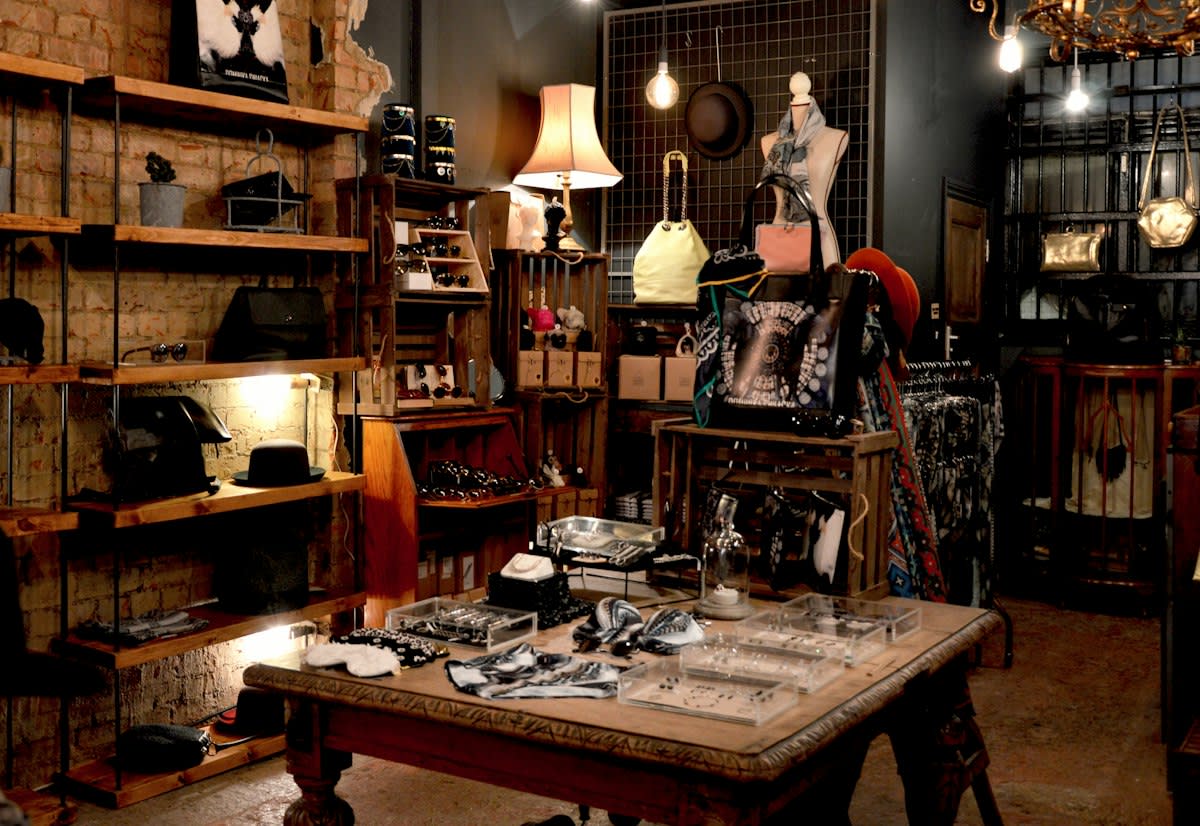
Archive hunting is brutal. Sourcing original pieces requires navigating carbon-scored warehouses and fragmented digital listings where vintage is often a marketing lie. The friction lies in the verification of authenticity versus the desire for a truly battered look. Designers in the studio struggle to replicate authentic wear without making the garment look like a costume. The debate is always about the line between distressed and destroyed. True salvage style requires a level of grit that a boutique environment cannot replicate.
The rust-pitted paradox. When a brand like Miu Miu sells an upcycled piece, they are selling the idea of a found object (Source: FashionTimes, 2026). However, the act of buying it from a store kills the very essence of the find. The thrill of the Vinted hunt is replaced by the security of a credit card transaction. This removes the element of chance that makes salvage style appealing to Gen Z. The luxury sector is attempting to sell the hunt, but they are providing a map and a guided tour.
The Resale Economy
The Vinted effect. Resale platforms have become the primary entry point for younger consumers to access designer fashion (Source: FashionTimes, 2026). Instead of buying a new season piece, Gen Z hunts for archive items from past collections. This creates a secondary market where the value is determined by rarity and worn-in character rather than current retail pricing. The digital marketplace has replaced the traditional boutique as the center of style discovery. It is a decentralized system of taste.
Accessing designer fashion via resale is a strategic move. It allows shoppers to bypass the current trends dictated by the brands themselves (Source: FashionTimes, 2026). By selecting older pieces, they create a personal style that feels disconnected from the present moment. This is the essence of the anti-algorithm movement: the refusal to be a passive consumer of the current season. The archive becomes a tool for identity construction, allowing the wearer to signal a connection to a specific era of design.
| Metric | Traditional Luxury | Salvage Style |
|---|---|---|
| Core Value | Pristine Newness | Archive Provenance |
| Sourcing Channel | Flagship Boutiques | Vinted / Thrift |
| Visual Texture | Polished / Smooth | Rust-pitted / Battered |
| Status Driver | Retail Price | Rarity / Oddity |
| Production Logic | Mass-Luxury Scale | Hand-finished Archive |
Archive as inventory. For luxury brands, the past is becoming more relevant than the future (Source: FashionTimes, 2026). The realization that Gen Z values the old over the new is forcing a change in how brands manage their stock. Archives are no longer just museums for the brand's ego; they are active sources of raw material. This allows brands to monetize the same piece of clothing multiple times across different decades. It is a sustainable model on the surface, but a profit-maximizing one in reality.
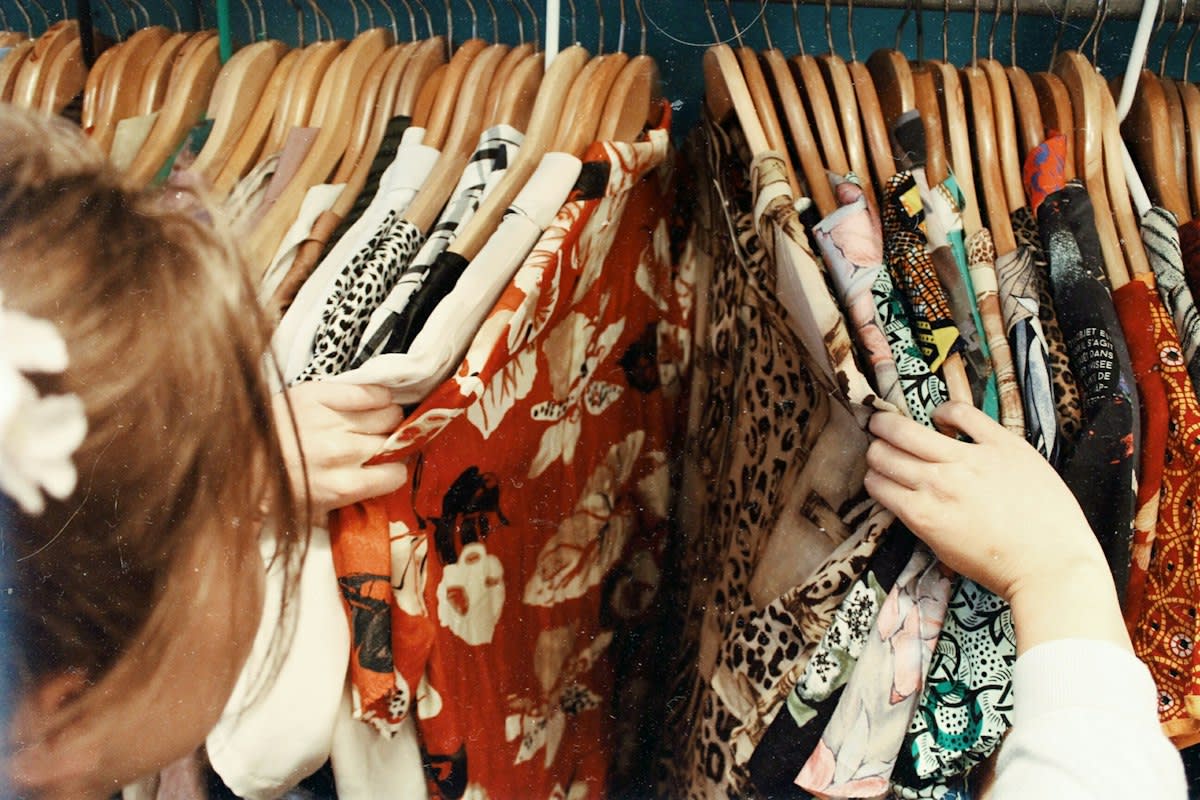
Failure Points
Failure Point
The Authenticity Gap: The risk that manufactured distress will alienate the core Gen Z demographic who value genuine, accidental wear over corporate simulation.
The authenticity gap is widening. When luxury brands manufacture distress, they risk alienating the very consumers who value the genuine battered nature of a Vinted find. If the rust-pitted look becomes a corporate template, the anti-algorithm movement will simply move to another, less accessible niche. The moment a look is fully adopted by the flagship stores, it loses its value as a symbol of rebellion. The salvage style is a fragile ecosystem that depends on the brand's inability to perfectly replicate the chaos of real life.
Fact-Check & Accuracy Note
Data sourced exclusively from FashionTimes (Sept 2026). No data from SCMP was used as it pertained to Hong Kong mental health, which is irrelevant to the Salvage Style design analysis.