‘I was not going to let others die’: Flydubai pilot Smit Machchhar’s desperate push to open cockpit door
Source Entity
Nischai Vats
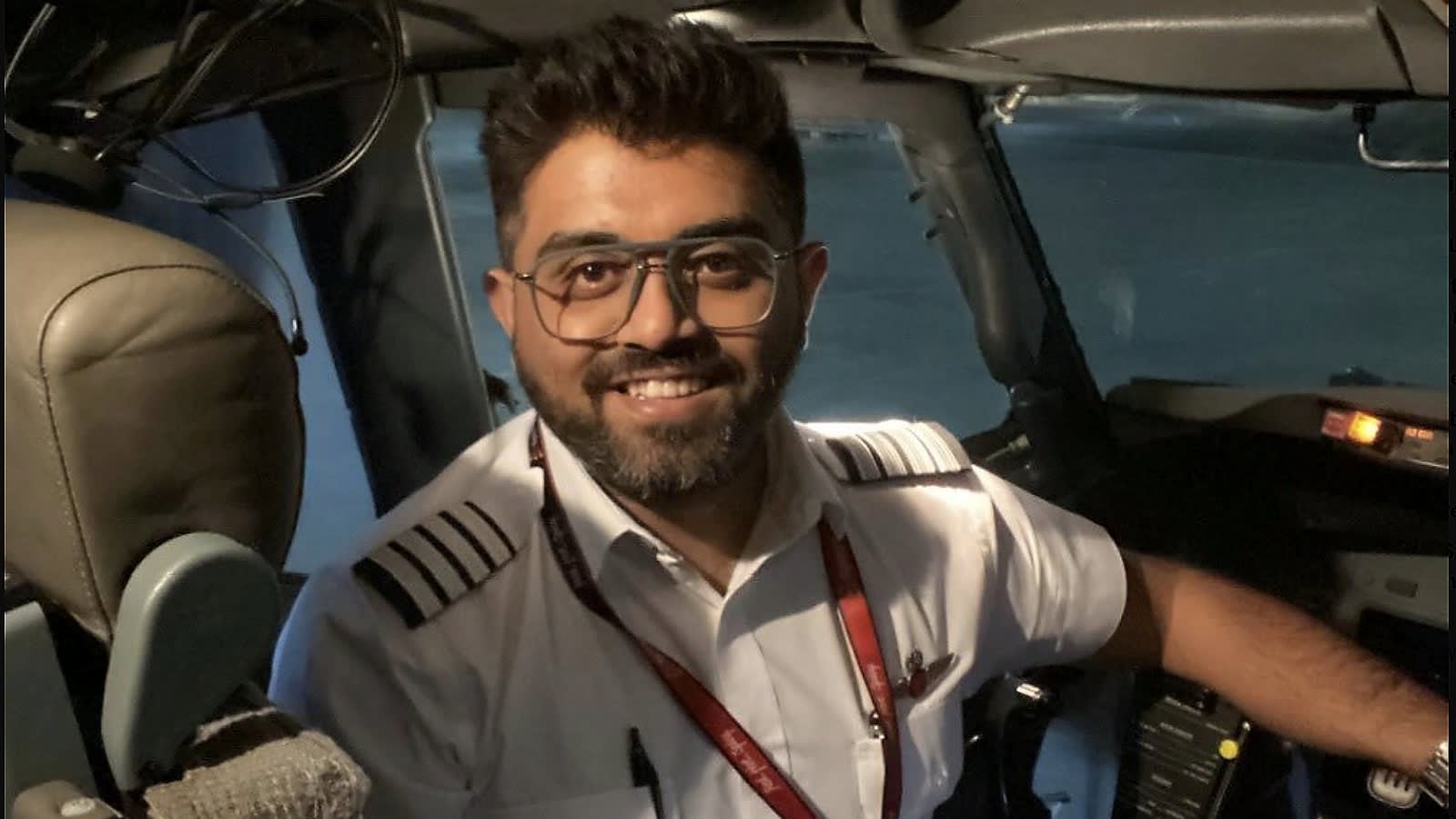
Captain Smit Machchhar is being hailed as a hero for landing a Flydubai flight safely in Saudi Arabia after being stabbed during an alleged cockpit altercation. While the incident initially triggered a hijack alert, authorities have ruled out terrorism, focusing instead on the pilot's extraordinary composure under pressure.
The Heroism of Captain Smit Machchhar Amidst Aerial Crisis
An Unfolding Emergency
An alarming incident occurred when a Flydubai flight traveling from Dubai to Tel Aviv was forced to divert to Saudi Arabia. The situation escalated when the aircraft transmitted a 7500 transponder code—the internationally recognized signal for hijacking or unlawful interference. This prompted an immediate and high-stakes response, including the scrambling of fighter jets by Israeli authorities and urgent security consultations led by Prime Minister Benjamin Netanyahu.
The Human Element: Bravery Under Fire
Amidst the confusion and fear, the narrative shifted toward the incredible composure of Captain Smit Machchhar. Reports indicate that the diversion was necessitated by a physical altercation between pilots. Despite suffering a stabbing, Captain Machchhar maintained control of the aircraft, ensuring the safety of 174 passengers, including 27 children. His ability to navigate the plane to a safe landing in Saudi Arabia while incapacitated by injury has been widely characterized as an act of profound professional heroism.
National and Industry Recognition
Public sentiment has been overwhelmingly supportive, with high-profile figures across India expressing their gratitude and admiration. Bollywood actor R. Madhavan and Telugu star Vijay Deverakonda both publicly lauded the captain’s bravery, with Madhavan specifically echoing Prime Minister Narendra Modi’s recognition of the pilot. This cross-cultural outpouring of support underscores the gravity of the situation and the relief felt that a potential tragedy was averted.
Clarifying the Nature of the Threat
While the initial transmission of the 7500 code caused significant alarm, Israeli security officials later confirmed that the incident was not a terrorist hijacking. By ruling out external unlawful interference, the focus of the investigation has narrowed to the internal conflict between the cockpit crew. This distinction is vital, as it shifts the narrative from a geopolitical security threat to an internal operational safety and personnel crisis.
The Broader Implications for Aviation Safety
This event highlights the extreme pressures faced by aviation personnel and the critical importance of cockpit resource management. The fact that a flight carrying nearly 180 people was diverted safely despite a violent altercation serves as a testament to the rigorous training pilots undergo. As the investigation continues, the aviation industry will likely scrutinize the protocols surrounding cockpit security and crew wellbeing to prevent similar interpersonal conflicts from jeopardizing passenger safety in the future.
Concluding Summary
Captain Smit Machchhar’s actions have turned a terrifying mid-air emergency into a story of survival and professional excellence. While the circumstances behind the altercation remain under investigation, the immediate priority remains the recovery of the pilot and the safety of the passengers who were spared from what could have been a catastrophic event. The incident stands as a stark reminder of the unpredictable nature of aviation emergencies and the vital role of individual heroism in safeguarding human life.
Multiple Citing Sources