Everyday Explained: Why are medicines wrapped in aluminium foil? Know the science behind those shiny strips
Source Entity
Latest News: Todays Latest News Headlines from India & World | Hindustan Times | Hindustan Times
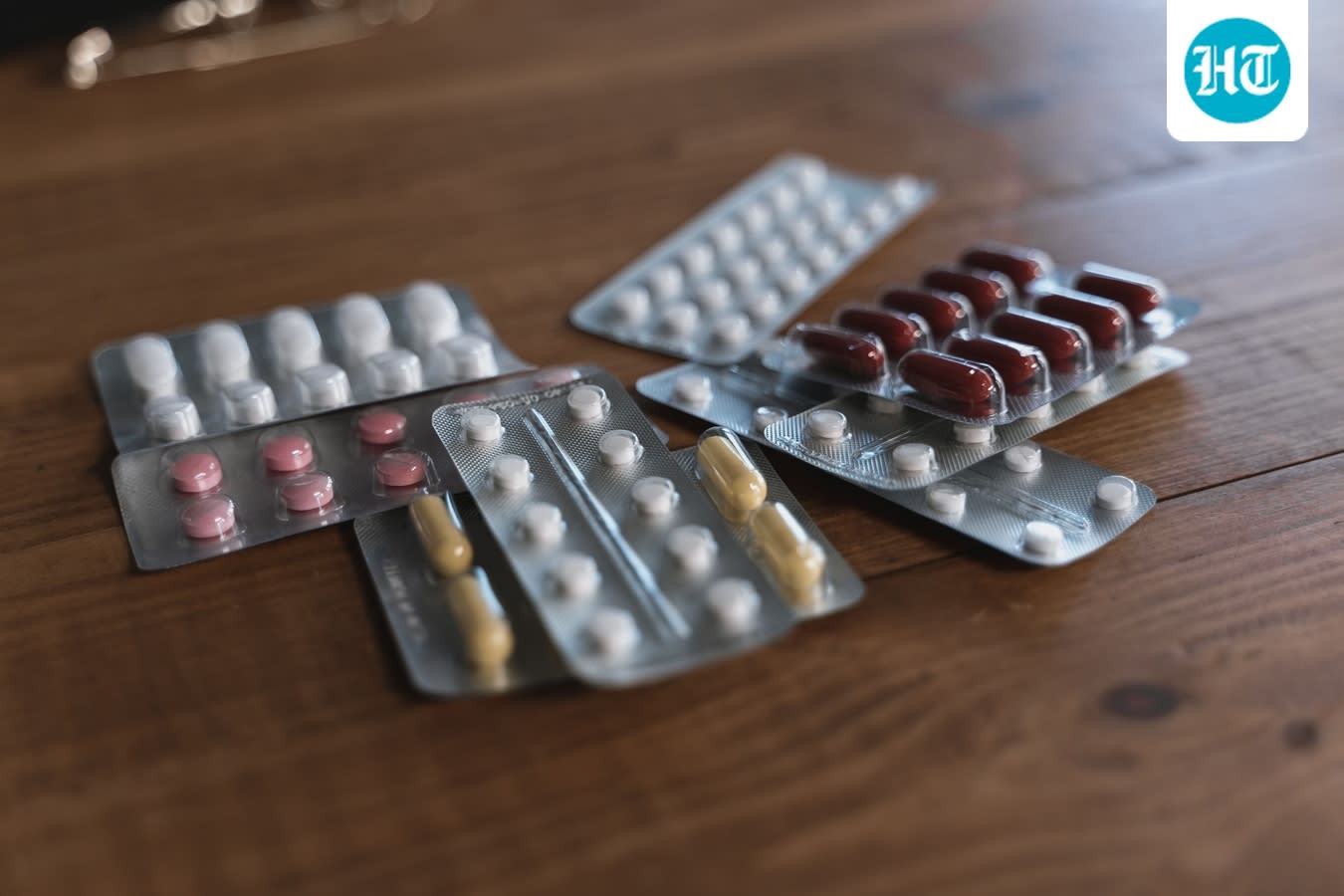
Medicine tablets are wrapped in aluminium foil to provide a critical barrier against environmental factors that could degrade their chemical efficacy. This specialized packaging ensures pharmaceutical stability and patient safety by preventing moisture, light, and oxidation.
The Science Behind the Shiny Shield: Why Medicines Use Aluminium Foil
Everyday medicine strips are a marvel of material science, designed far more for preservation than for mere convenience. While the act of popping a pill through a thin sheet of foil is a routine part of daily life, the material selection is the result of rigorous pharmaceutical standards. Aluminium serves as the primary barrier, chosen specifically for its unique physical and chemical properties that safeguard the integrity of the medication contained within.
The Barrier Against Environmental Degradation
Pharmaceutical packaging serves as a critical shield against the external environment. According to the World Health Organization (WHO), the primary objective of such packaging is to protect the medicine from external factors that could cause degradation. Aluminium foil acts as a near-perfect barrier against moisture, light, and oxygen. Many chemical compounds found in medication are hygroscopic or photosensitive, meaning they can chemically decompose or lose their potency if exposed to humidity or direct light, rendering the treatment ineffective or potentially harmful.
Why Aluminium Reigns Supreme
Beyond its barrier properties, aluminium is favored for its malleability and durability. It can be formed into the distinct 'blister' shapes that house individual tablets, ensuring that each dose remains isolated until the moment of consumption. Unlike plastic alone, which may be permeable to certain gases or vapors over time, a high-quality aluminium seal provides an airtight and light-tight environment. This is essential for maintaining the shelf life of drugs, ensuring that the medication remains as potent on its expiration date as it was on the day it was manufactured.
Ensuring Patient Safety and Dosage Integrity
The blister pack design also plays a vital role in patient safety. By isolating each tablet, the packaging prevents cross-contamination and accidental exposure to the elements. Furthermore, the physical effort required to push a pill through the foil acts as a secondary layer of protection, preventing accidental ingestion and providing a tamper-evident feature that gives consumers confidence in the product's safety. This design prevents the 'clumping' of tablets that might occur in a single bottle, where repeated opening exposes the entire supply to air.
Future Trends in Sustainable Packaging
As the pharmaceutical industry evolves, the focus is shifting toward balancing these protective requirements with environmental sustainability. While aluminium is highly effective and infinitely recyclable, researchers are exploring composite materials that maintain the same barrier efficacy while reducing the carbon footprint of production. The challenge lies in replacing the protective qualities of foil without compromising the stringent safety standards set by global health authorities.
Conclusion: A Critical Component of Healthcare
In summary, the shiny foil covering your medicine is far from an aesthetic choice. It is a highly engineered solution to the complex problem of pharmaceutical stability. By protecting medication from moisture, light, and oxidation, this packaging ensures that the therapeutic benefits of the drugs are preserved. Understanding the science behind these everyday items highlights the intersection of material engineering and public health, proving that even the most mundane objects are often vital to our well-being.
Verification Required?