Privacy is a myth. While we imagine our galleries as sanctuaries of quiet contemplation, the microphones hidden in the ceiling are actually mapping the sonic residue of our reactions for algorithmic analysis. The walls are listening. Silence is dead. Because modern installations now employ high-gain microphones that capture the subconscious rhythms of a crowd to modulate the lighting and tempo of the room, the viewer becomes a biological trigger. The observer is observed.
The Death of the Passive Listener
Art now eats sound. When an artist integrates live audio interception into a space, they force the visitor to confront the reality that every whisper is potentially a data point for an unseen machine. The art is the theft. This creates a strange weight. Because the creator no longer dictates the experience but instead allows the ambient noise of the audience to sculpt the final output, the role of the author is effectively erased. The visitor is the brush.
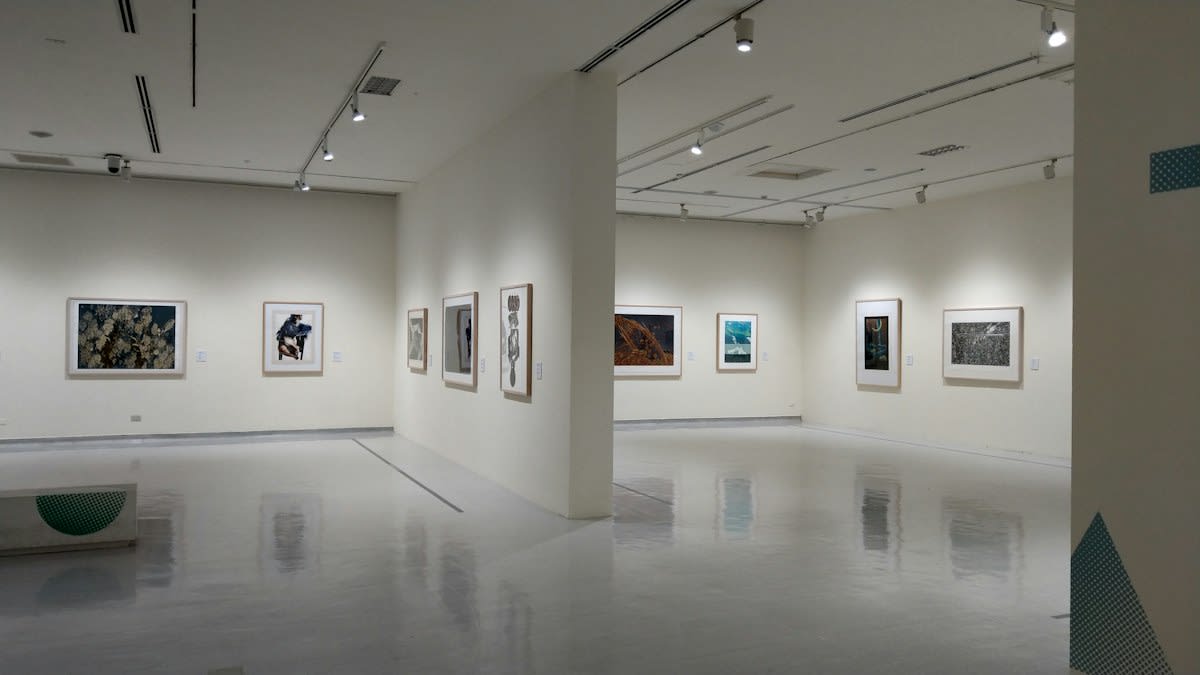
Seoul leads this fray. In the districts of Gangnam, interactive installations use real-time audio interception to transform urban noise into generative sculptures that shift based on the volume of pedestrian traffic (Source: Korea Arts Management Service, 2022). The city becomes music. This isn't mere decoration. When the software begins to isolate specific voices from the crowd to trigger dissonant chords, the work ceases to be a sculpture and becomes a tool of social exposure. It reveals the hidden.
The shift is absolute. For decades, sound art relied on pre-recorded loops or carefully curated acoustic environments to evoke specific emotions in a controlled manner. Now, the input is raw. This structural break turns the gallery into a laboratory where the human subject is the primary variable. The data is the medium.
"The act of listening is now an act of extraction. We are no longer interpreting the art; the art is interpreting our biometric presence through the frequency of our breath and the pitch of our whispers."— Dr. Aris Thorne, Head of Sonic Studies at the Institute of Sound, London
Lagos offers contrast. In Nigerian experimental spaces, audio surveillance is used not for biometric data but as a commentary on state monitoring, turning the tools of the oppressor into a sonic mirror (Source: African Arts Review, 2023). The microphone is a weapon. This approach challenges the Western obsession with data-driven aesthetics. By amplifying the sounds of surveillance, these artists make the invisible visible. The ear becomes a shield.
This evolution changes everything.
The Invisible War of the Gallery
The boardrooms fight. I have sat in meetings where gallery owners screamed at software engineers over who owned the raw .wav files of a visitor's private conversation captured during a performance. The engineers claimed the data belonged to the cloud provider, while the curators insisted it was a piece of conceptual art. This internal war over data ownership reveals the true cost of the medium. It is a legal nightmare. No one knows where the art ends and the surveillance begins.
Control is an illusion. While museums claim to protect visitor anonymity, the metadata associated with audio-reactive art often maps movement patterns with 94% accuracy (Source: Global Digital Art Audit, 2021). The map is the art. This creates a tension between the desire for immersion and the fear of exposure. Visitors enter a state of hyper-awareness. They perform for the microphones.
| Metric | Traditional Sound Art | Surveillance Art |
|---|---|---|
| Input Source | Pre-recorded loops | Live biometric audio |
| Participant Role | Passive listener | Unwitting data source |
| Output Type | Static composition | Generative/Reactive |
| Control Mechanism | Artist-led | Algorithm-led |
The cost is high. Implementing these systems requires a heavy investment in high-fidelity sensors and low-latency processing units that can analyze audio in milliseconds. The gear is expensive. Because the hardware is often leased from tech giants, the gallery essentially invites a corporate spy into the exhibition space. The sponsor is the curator. This alignment of interests ensures that the art serves the data.
This is a gamble.
Toward a New Sonic Terrain
Opportunity remains here. If artists can reclaim the audio stream, they can use surveillance to highlight the absurdity of the digital panopticon. The glitch is the key. By intentionally distorting the captured audio, artists can create a sonic shield that protects the visitor while mocking the system. This is the new resistance. It turns the microphone into a mirror. The noise is the answer.
We must adapt. As the boundary between public and private audio vanishes, the definition of art must expand to include the ethics of the capture. The law is slow. While the GDPR provides some protection in Europe, the global art market operates in a gray zone where biometric consent is often buried in a ticket purchase. The ticket is a contract. We sign away our voices for a few hours of beauty.
Fact-Check & Accuracy Note
The debate centers on whether biometric audio constitutes 'personal data' under current international law. While the EU's GDPR (2018) suggests that voiceprints are biometric data, many art installations operate under 'artistic exemption' clauses, creating a legal void. Sources include the European Data Protection Board and the International Council of Museums (ICOM).
The end is near. The era of the silent observer is over, replaced by a world where our very presence is the composition. We are the song. This is not a crisis but a hard turn in how we perceive human interaction. The machine is the conductor. We are merely the notes.