Lakshmi Venu challenges TVS family settlement, seeks partition of father's assets
Source Entity
PRIYANKA JAISWAL
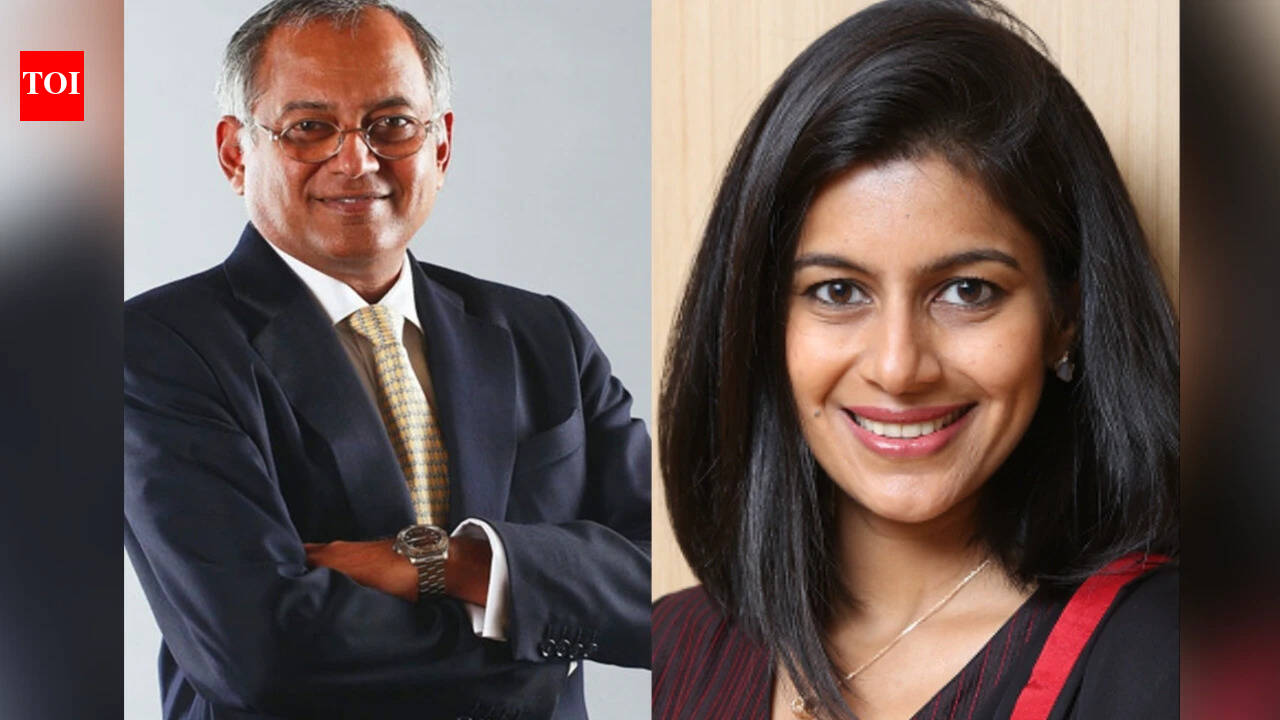
Lakshmi Venu has initiated a legal challenge seeking an equal partition of her father Venu Srinivasan's assets. The dispute involves major entities under the TVS group and highlights growing tensions over family inheritance and succession.
The Deepening Divide: Analyzing the TVS Family Inheritance Dispute
Escalation of Intra-Family Legal Action
The industrial landscape of India is currently witnessing a significant shift as Lakshmi Venu, daughter of TVS Motor Chairman Venu Srinivasan, has formally sought a partition of her father’s branch of the family assets. By invoking the Hindu Succession Act, Lakshmi is asserting a legal claim for an equal share of the vast wealth and beneficial interests tied to her father's holdings. This development marks a critical escalation from private familial disagreement to a public legal battle, involving the filing of caveats to ensure that no unilateral decisions are made regarding the distribution of the family’s significant corporate interests.
Scope of the Corporate Stakes
At the heart of this dispute lies a complex web of corporate entities that form the backbone of the TVS legacy. The partition notice explicitly targets interests in major firms, including TVS Motor Company, TVS Holdings, TVS Credit Services, and Sundaram-Clayton. These entities represent a significant portion of the Indian automotive and financial services sectors. The involvement of such high-profile companies suggests that the outcome of this legal challenge could have far-reaching implications for the governance, ownership structure, and strategic direction of these organizations, potentially impacting stakeholders and market confidence.
The Role of Fiduciary Responsibility
Lakshmi Venu’s legal strategy centers on the argument that her father, as the head of the family, holds a fiduciary responsibility to ensure a fair and equitable division of assets. By formally requesting that he discharge these duties, she is challenging the existing settlement frameworks that have previously governed the family's wealth. This confrontation highlights the complexities of managing generational wealth within large, multi-generational business families where traditional succession planning often clashes with modern interpretations of inheritance rights under Indian law.
Maternal Support and Family Dynamics
An intriguing dimension to this conflict is the support expressed by Lakshmi’s mother, Mallika Srinivasan. Her public stance—that her daughter possesses a legitimate claim to the assets—adds a layer of complexity to the family dynamic. This alignment suggests that the dispute is not merely an isolated disagreement between father and daughter but represents a broader divergence in perspectives within the family regarding the entitlement and division of ancestral and acquired wealth.
Broader Implications and Future Trends
This case serves as a stark reminder of the challenges faced by Indian business houses as they navigate the transition from traditional patriarchal control to more transparent, legally defined inheritance models. As more families grapple with similar succession issues, the reliance on the Hindu Succession Act to resolve disputes is becoming increasingly common. The resolution of this specific case will likely be watched closely by legal experts and the corporate community alike, as it may set a significant precedent for how family-owned conglomerates handle internal wealth distribution and governance disputes in the future.