'Huge spending, no improvement': SC raps administration over Yamuna pollution
Source Entity
AASTHA JHA
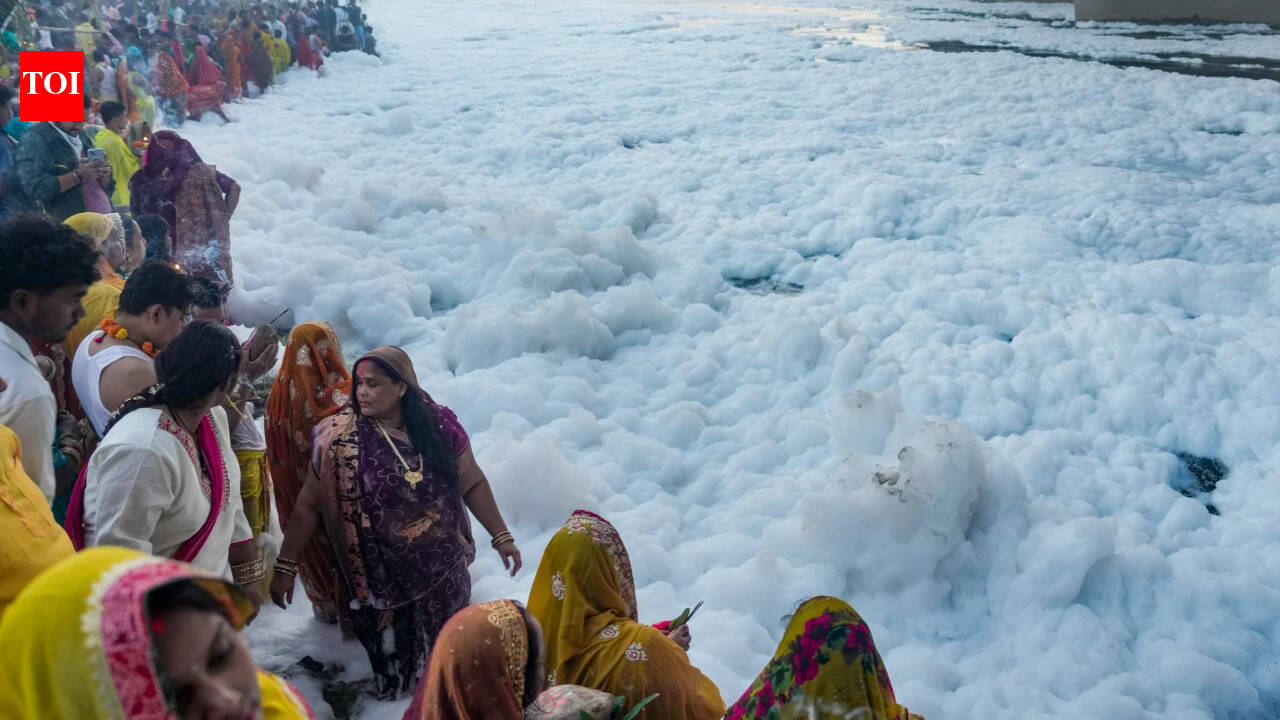
Chhath Puja has become a flashpoint for political friction in India, with controversies erupting over identity politics in West Bengal and environmental concerns in Delhi. BJP leaders participated in nationwide celebrations while facing criticism from AAP and Congress regarding the ongoing pollution of the Yamuna River.
The Politicization of Chhath Puja: A National Overview
Chhath Puja, a significant festival dedicated to the Sun God, has transformed into a major theater for political discourse in India. Recent events surrounding the festival reveal a complex intersection of identity politics, environmental activism, and partisan posturing, as political actors leverage the massive public participation in these rituals to consolidate influence and challenge opponents.
Identity Politics and Regional Tensions
In West Bengal, the festival has sparked a heated debate regarding regional identity and cultural demographic shifts. TMC MP Kalyan Banerjee’s inflammatory remarks questioning whether Bengal belongs to "Bengalis or rogue Biharis" highlight a growing friction over the cultural landscape of the state. By framing the influx of Chhath Puja celebrations as a challenge to Bengali culture, Banerjee has drawn sharp criticism from opposition leaders like Suvendu Adhikari and minister Indranil Khan, who defend the inclusivity of the festival. This rhetoric suggests that regional identity politics remains a potent tool for mobilizing electoral bases, even when it risks alienating migrant populations.
The Yamuna Pollution Crisis
Simultaneously, the environmental state of the Yamuna River has become a focal point of political blame in the National Capital Region. As Delhi Chief Minister Rekha Gupta and other leaders participated in rituals at the riverbanks, the presence of toxic foam served as a stark visual reminder of the ongoing ecological crisis. The Aam Aadmi Party (AAP) has utilized these conditions to attack the BJP-led Delhi government, alleging failures in river management and pollution control. This narrative shift—from religious devotion to administrative accountability—illustrates how public infrastructure failures are increasingly integrated into the political theater of religious festivals.
Partisan Blame and Ethical Allegations
The controversy escalated further with the BJP’s release of a video showing Congress leader Devendra Yadav allegedly throwing a plastic bottle into the Yamuna. By labeling the act an "insult to faith," the BJP effectively shifted the discourse from government negligence to individual moral conduct. This strategy serves to discredit political rivals by framing their actions as a direct affront to the religious sentiments of the millions observing Chhath, thereby attempting to capture the moral high ground during a high-visibility event.
National Participation and Future Trends
Despite these localized controversies, the national participation of BJP leaders—including Chief Ministers Pushkar Singh Dhami and Nayab Singh Saini, along with MPs Manoj Tiwari and Ravi Kishan—underscores the party's concerted effort to align itself with the cultural mainstream. By showing a presence at ghats from Patna to Gorakhpur, the BJP aims to solidify its connection with the demographic that observes Chhath.
Looking ahead, it is likely that the convergence of environmental issues and cultural festivals will continue to drive political discourse. As public health concerns regarding river pollution grow, political parties will likely face increasing pressure to provide tangible infrastructure solutions rather than relying solely on symbolic participation or performative outrage. The intersection of these themes suggests that religious festivals in India will remain critical, yet increasingly volatile, platforms for political competition.
Multiple Citing Sources