‘Not a honey trap’: Air Force chief Ashutosh Dixit on espionage threats
Source Entity
The Indian Express
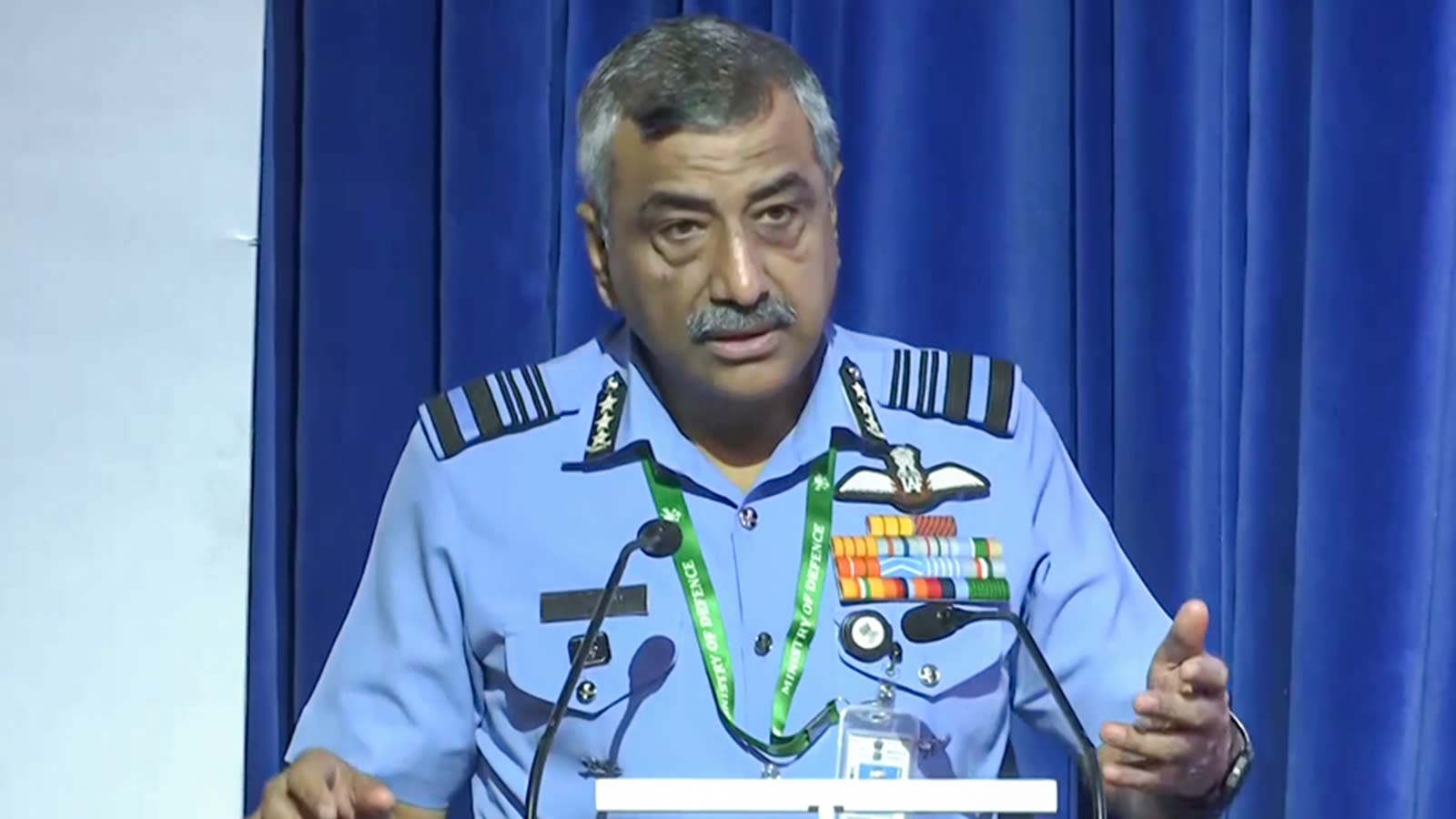
IAF Chief Air Chief Marshal Ashutosh Dixit stated that the Air Force is adequately positioned to deter Chinese aggression through technological induction and vigilance. He further characterized recent security threats involving personnel as broader cyber espionage rather than isolated honey trap incidents.
Assessing India's Aerial Deterrence and Cyber Resilience
At the recent ANI National Security Summit, Chief of the Air Staff Air Chief Marshal Ashutosh Dixit provided a candid assessment of the Indian Air Force’s (IAF) operational readiness and the evolving nature of modern warfare. Addressing concerns regarding the border situation with China, the Air Chief Marshal described the current state as being in an "okay" position—a pragmatic acknowledgment that while the IAF is prepared and capable of deterrence, the strategic environment remains complex and far from simple.
Technological Modernization as a Strategic Pillar
Central to the IAF’s ability to maintain a credible deterrent against China is its ongoing process of technological induction. Air Chief Marshal Dixit emphasized that having concrete plans in place and integrating advanced technology are the primary drivers of this readiness. As the geopolitical landscape in the Indo-Pacific grows increasingly volatile, the IAF’s focus on upgrading its fleet and surveillance capabilities is essential for maintaining the technological edge necessary to respond to potential provocations.
The Reality of Modern Espionage
Beyond external military posturing, the IAF Chief addressed the critical issue of internal security, specifically regarding recent controversies involving military personnel. Rather than framing these incidents narrowly as "honey traps," Dixit classified them as "cyber espionage." This shift in terminology highlights a broader recognition within the Indian military establishment that modern threats are increasingly digital, sophisticated, and integrated into a globalized information warfare framework.
Cyber Espionage: A Multifaceted Threat
Dixit noted that honey traps are merely one facet of a much larger, multi-pronged espionage landscape. By characterizing these threats as cyber espionage, the IAF leadership is signaling a move toward more robust cybersecurity protocols. This reflects a strategic pivot, acknowledging that adversaries are utilizing various digital enticements to compromise defense personnel and gain sensitive operational information.
Vigilance in an Era of Persistent Monitoring
The IAF is not merely reacting to threats but is maintaining a posture of constant vigilance. The Chief confirmed that the Air Force is monitoring the activities of all adversaries with precision. This proactive stance is vital for ensuring that the IAF remains ahead of potential escalations, allowing for a calibrated response to any shift in regional dynamics.
Future Trends and Strategic Outlook
Looking forward, the IAF's emphasis on "not simple" but "okay" deterrence implies a long-term commitment to endurance and adaptation. The integration of new technology, paired with a heightened awareness of cyber vulnerabilities, suggests that the future of Indian national security will rely as much on information integrity as it does on kinetic capability. Maintaining this balance will be the defining challenge for the IAF in the coming decade.
Multiple Citing Sources