Azad-Owaisi alliance could fragment Muslim, Dalit votes, potentially benefit BJP
Source Entity
Latest News: Todays Latest News Headlines from India & World | Hindustan Times
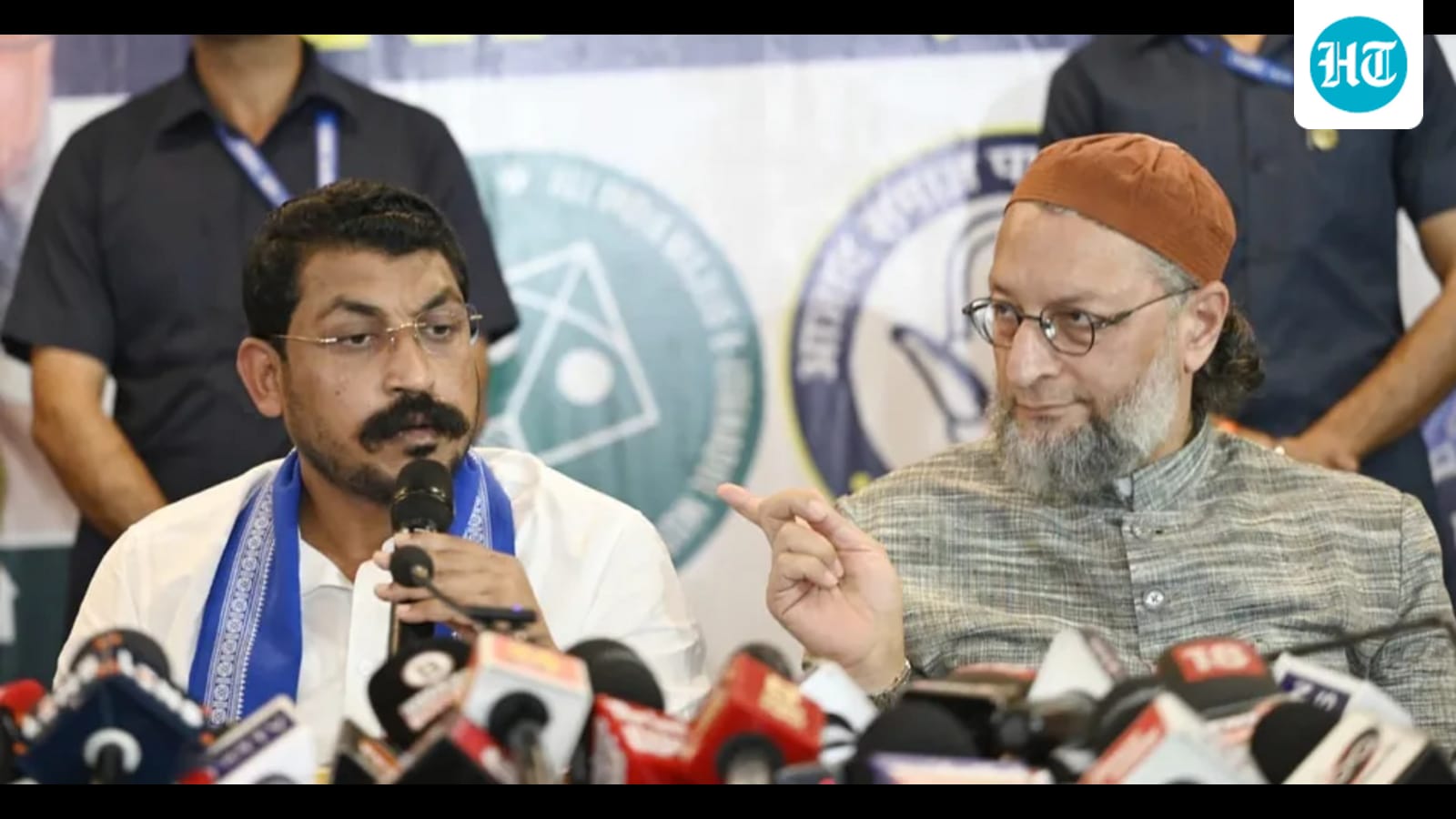
The alliance between the Azad Samaj Party and AIMIM, known as the Samajik Parivartan Morcha, seeks to challenge traditional power structures in Uttar Pradesh. Analysts suggest this coalition could fragment opposition vote banks, potentially creating an unintended advantage for the BJP.
The Emergence of the Samajik Parivartan Morcha
The political landscape of Uttar Pradesh is bracing for a significant realignment ahead of the 2027 Assembly elections with the formal announcement of the Samajik Parivartan Morcha (SPM). This coalition, spearheaded by Chandrashekhar Azad of the Azad Samaj Party (ASP-KR) and Asaduddin Owaisi of the All India Majlis-e-Ittehadul Muslimeen (AIMIM), marks a strategic attempt to forge an independent Dalit-Muslim political bloc. By positioning themselves outside the traditional binary of the BJP-led NDA and the Samajwadi Party-Congress combine, these leaders aim to capture the aspirations of marginalized communities that have historically felt overlooked by mainstream political platforms.
Strategic Objectives and Electoral Calculus
Chandrashekhar Azad and Asaduddin Owaisi have articulated that the primary purpose of their alliance is to prevent the Bharatiya Janata Party (BJP) from securing a third consecutive term in power. By uniting under the SPM banner, they hope to consolidate their respective influence—Azad’s appeal among Dalit voters and Owaisi’s reach within Muslim communities. The alliance has notably left the door open for other opposition parties to join, suggesting a desire to act as a pivot point in the state's complex electoral arithmetic rather than merely serving as a fringe spoiler.
The Fragmentation Debate
Despite the stated goal of defeating the incumbent government, the political reality in Uttar Pradesh suggests a more nuanced outcome. BJP leaders have signaled that the formation of the SPM may actually work in the ruling party's favor. The logic follows that the SPM is likely to draw support from the established vote banks of the Samajwadi Party (SP) and the Bahujan Samaj Party (BSP). If the Muslim and Dalit votes are fragmented across multiple opposition platforms, the consolidation of the BJP’s support base could become an even more formidable hurdle for the rest of the opposition to clear.
Historical Context of UP Politics
Uttar Pradesh has long been a theater of intense identity-based mobilization. The rise of the BSP in the 1990s redefined the Dalit vote, while the SP has traditionally relied on a combination of OBC and Muslim support. The entry of the ASP-AIMIM alliance disrupts these historical silos. By explicitly targeting the core demographics of the SP and BSP, the SPM is challenging the traditional hegemony that these parties have held over their respective bases, forcing a shift in how these veteran parties must now campaign to retain their influence.
Future Implications and Trends
The 2027 elections will serve as a critical test for the SPM’s viability. The success of this alliance will depend on whether they can translate their ideological appeal into tangible vote transfers on the ground. If the alliance fails to secure significant seat wins, it may be viewed as a spoiler that inadvertently facilitated the BJP’s strategy. Conversely, if they succeed in winning even a moderate number of seats, they will have established themselves as a permanent third force in the state, permanently altering the competitive nature of future assembly elections in India's most populous state.
Conclusion
The formation of the Samajik Parivartan Morcha represents a bold experiment in social engineering within the electoral sphere. While the intentions of Azad and Owaisi are focused on challenging the current administration, the structural impact of their alliance remains a subject of intense debate. Whether this move proves to be a masterstroke of political consolidation or a catalyst for opposition fragmentation will be the defining narrative of the upcoming election cycle in Uttar Pradesh.
Verification Required?