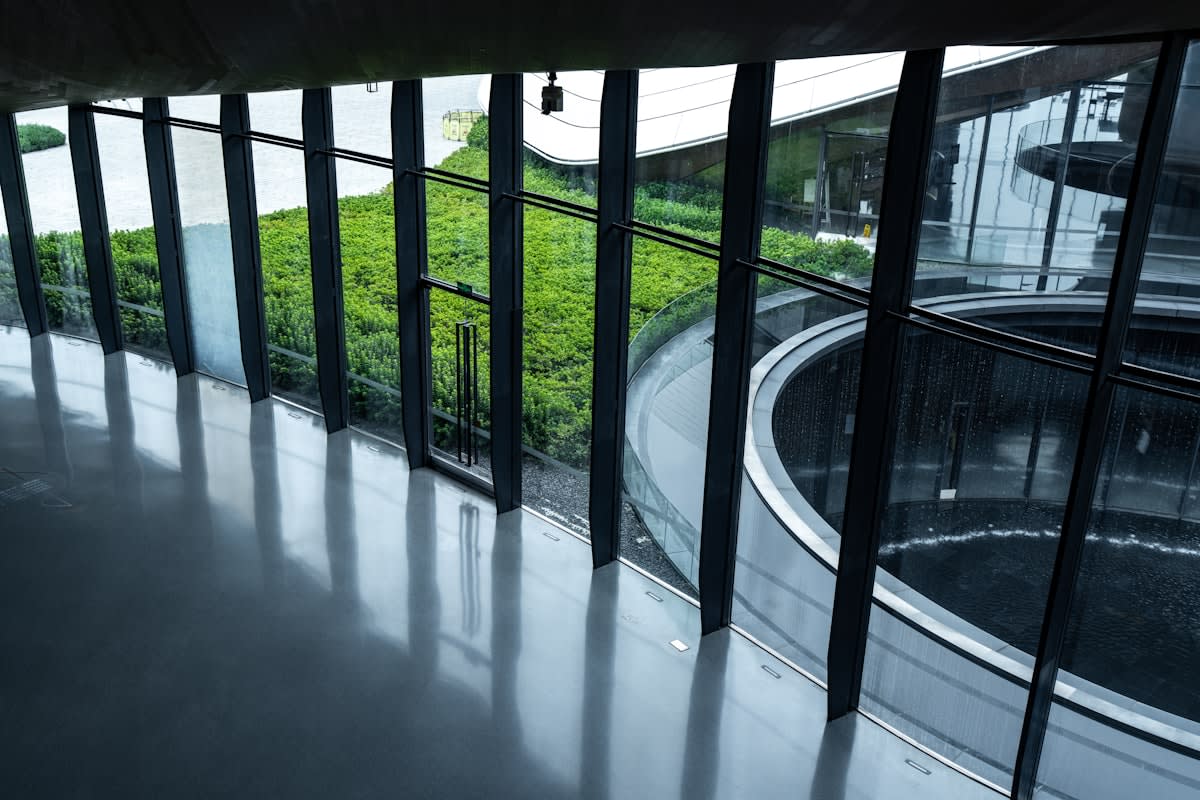
The Architecture of Mental Exhaustion
Why do we feel drained after eight hours in a modern office, even if the work itself wasn't physically demanding? The answer lies in Cognitive Load Theory. Our brains manage three types of mental effort: intrinsic load (the inherent difficulty of the task), germane load (the effort used to learn and integrate new information), and extraneous load (unnecessary effort caused by poor environment or inefficient tools). When you sit in an overcrowded, poorly ventilated room with flickering fluorescent lights, your brain wastes precious energy managing these environmental stressors. This creates a state of cognitive weariness that no amount of caffeine can truly fix.
This exhaustion isn't just a feeling; it is a physiological event. Research published in Frontiers in Sustainable Cities (2026) highlights a critical link between our surroundings and our biology. Spaces that ignore biophilic principles—the innate human tendency to seek connections with nature—often correlate with higher cortisol levels and erratic heart rate variability. By contrast, integrating nature into the built environment isn't about adding a few potted plants for decoration. It is about strategically reducing the sympathetic nervous system's activation to allow the mind to recover.
The Science of Restoration
The 'Soft Fascination' Effect: According to Kaplan and Kaplan (1989), natural environments provide a form of gentle engagement that restores mental fatigue. Unlike the 'hard fascination' of a computer screen, which demands intense, draining focus, nature allows the mind to wander and recharge.
Prerequisites for Your Biophilic Overhaul
Before you begin rearranging your furniture or investing in greenery, you must establish a baseline of environmental control. Biophilic design fails when it is treated as a cosmetic layer rather than a structural strategy. You cannot simply place a fern in a room with no sunlight and expect a cognitive boost; in fact, a dying plant can subconsciously increase stress. To implement this blueprint effectively, you need a clear understanding of your current spatial constraints and the ability to manipulate a few key variables.
- Access to natural light sources or the ability to install full-spectrum circadian lighting.
- Control over ventilation or the capacity to introduce natural airflow cues.
- A dedicated zone for 'direct nature' (living plants, water features) that doesn't obstruct workflow.
- A willingness to challenge Western-centric design norms in favor of local ecological aesthetics.
- An audit of your current 'extraneous load' triggers (e.g., noise pollution, glare, thermal discomfort).
The Step-by-Step Blueprint for Cognitive Restoration
- Audit the Cognitive Load: Identify and eliminate extraneous environmental stressors.
- Implement Direct Nature Integration: Introduce living elements to trigger soft fascination.
- Optimize Neuro-Architecture Cues: Align lighting and airflow with biological rhythms.
- Contextualize the Aesthetic: Adapt biophilic principles to your specific cultural and regional ecology.
Step one requires a brutal assessment of your current environment. Look for the 'invisible' drains on your energy. Is there a constant hum from an HVAC system? Is the glare from a window forcing you to squint? These are not minor annoyances; they are extraneous loads that fuel cognitive fatigue. By optimizing your spatial configuration to reduce these frictions, you clear the mental runway for deeper engagement. Remember, the goal is to move from a state of survival—where you are merely coping with your environment—to a state of thriving.
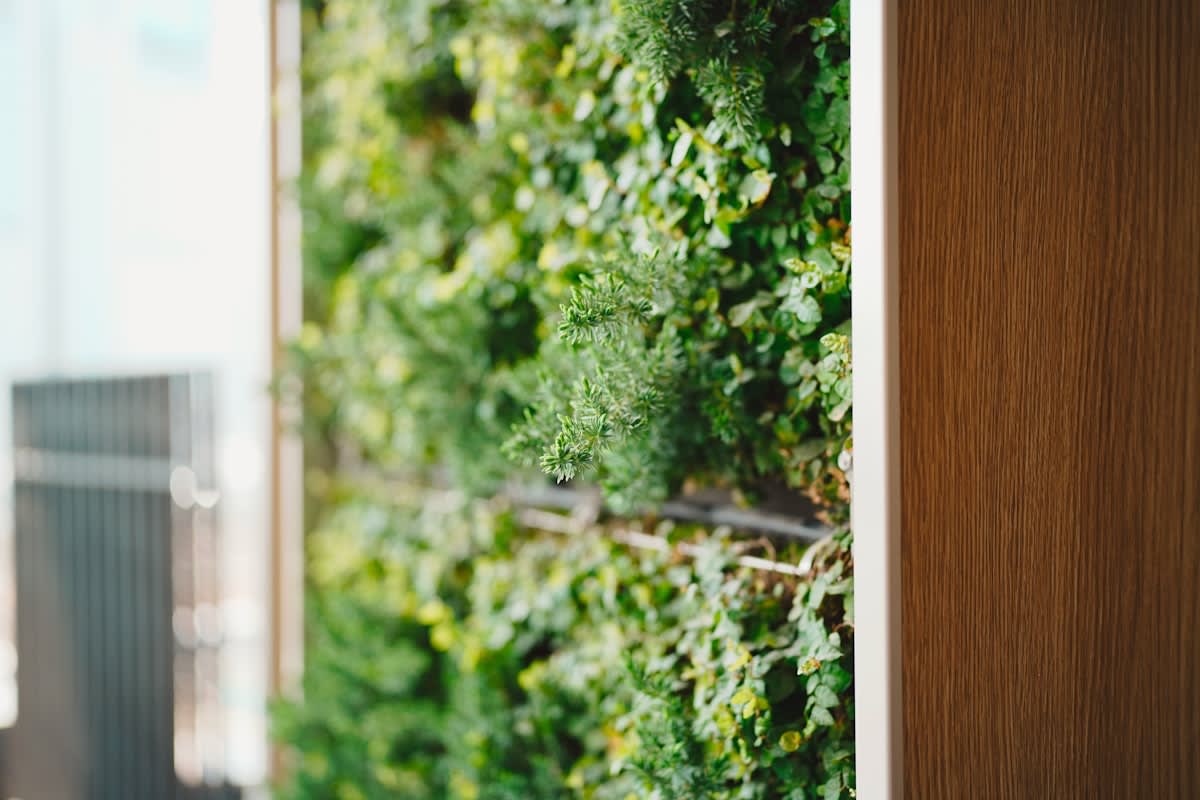
Once the noise is gone, introduce direct nature. This is where Attention Restoration Theory (ART) becomes your primary tool. Incorporate elements like water features or a variety of plant species. The research is clear: sensory access to nature is associated with measurable reductions in stress and sympathetic nervous system activation. Don't just settle for a single desk plant. Create a 'nature-integrated room' or a dedicated green zone. This provides a psychological escape hatch, allowing you to shift from high-intensity focus to a state of restorative drift.
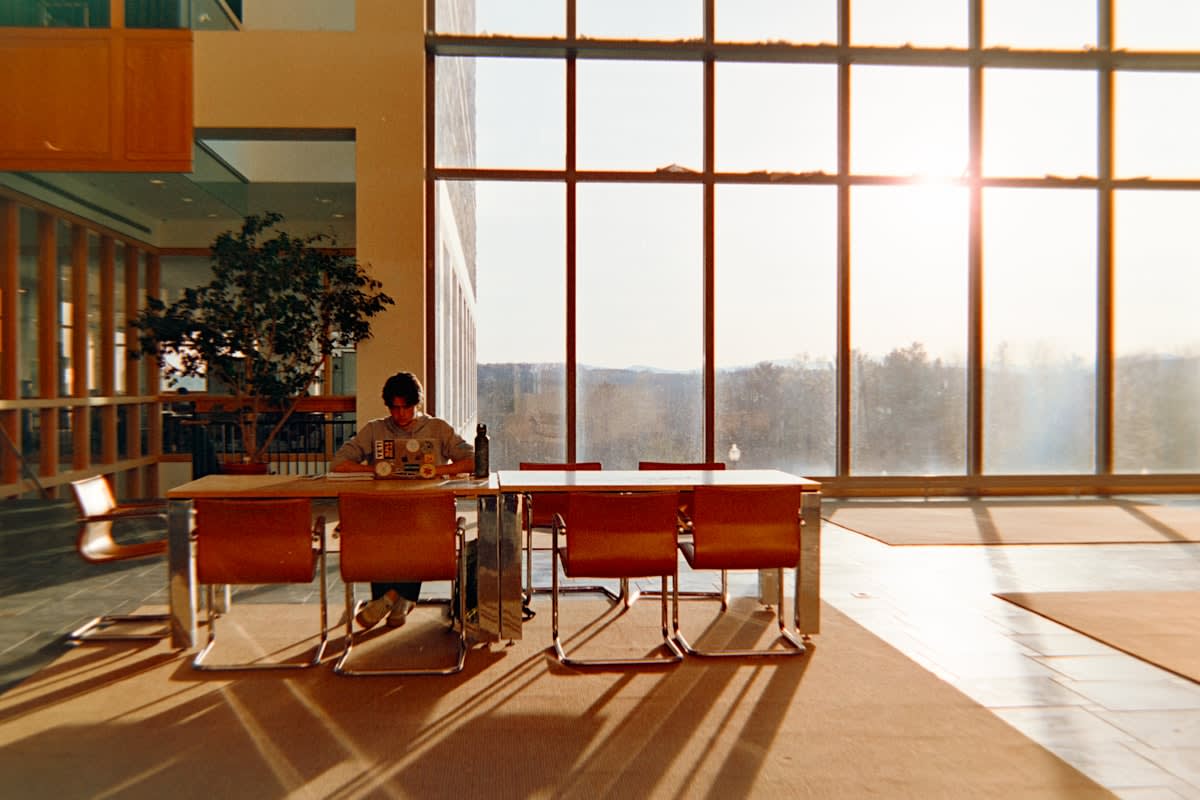
Next, refine your neuro-architecture. Focus on the two most critical physiological regulators: light and air. Natural light quality—specifically window orientation and the absence of harsh glare—supports circadian regulation and sustained attention. Similarly, the ability to operate a window or feel a natural breeze reduces cognitive load and supports emotional regulation. When these cues are missing, the brain enters a state of sensory deprivation, which accelerates cognitive weariness and impairs focus.
Finally, you must break free from the 'Western-centric' trap. Much of the biophilic literature originates from European and North American contexts, emphasizing specific aesthetics that may not resonate globally. If you are designing a workspace in East Asia, Sub-Saharan Africa, or Latin America, ask yourself: What does nature mean in this specific cultural context? The Glumac Shanghai Office serves as a prime example of how nature-integrated workspaces can be tailored to a specific urban context to enhance performance while supporting net-zero sustainability goals. Adaptation is the key to resilience.
| Dimension | Field Indicators | Developmental Relevance |
|---|---|---|
| Natural Light Quality | Window size, orientation, shading | Circadian regulation, visual comfort, attention |
| Ventilation & Thermal Cues | Window operability, airflow cues | Reduced cognitive load, emotional regulation |
| Direct Nature | Plants, water, vegetation | Cortisol reduction, sympathetic nervous system calm |
While the empirical evidence for these interventions is persuasive, we must acknowledge the 'measurement gap.' As noted in Frontiers in Sustainable Cities (2026), many causal claims about productivity and health remain empirically persuasive but not yet scientifically conclusive due to a lack of long-term, controlled comparisons. However, the convergence of physiological data—such as reduced cortisol levels—suggests that the benefits are real, even if the exact mechanisms are still being mapped.
Common Pitfalls: The Illusion of Restoration
The most dangerous mistake a modern professional can make is substituting spatial biophilia with digital proxies. Many turn to meditation apps or AI-driven 'calm' tools to manage stress. While these may reduce extraneous cognitive load in the short term, they risk creating a dependency. Using a chatbot for emotion-focused coping can enhance accessibility, but it potentially weakens the human relatedness and resilience required for long-term mental health. A digital simulation of nature is not a replacement for the biological reality of it.
Another common error is the 'over-automation' of the workspace. When we outsource all cognitive effort to AI tools, we risk losing the 'germane load'—the effort required for deep learning and engagement. If your workspace is so optimized that you never encounter a challenge or a moment of friction, you may find your long-term resilience building is stunted. The goal of biophilic design is not to remove all effort, but to remove the wrong kind of effort (extraneous load) so you can dedicate your energy to meaningful work.
The Resilience Gap
Beware the AI Trap: Technology that reduces germane load has a negative impact on deeper engagement. Use your biophilic space to support your brain's natural capacity for focus, not to replace it with a simulated experience.