The Great Scrubbing: How Minimalism Became a Prison
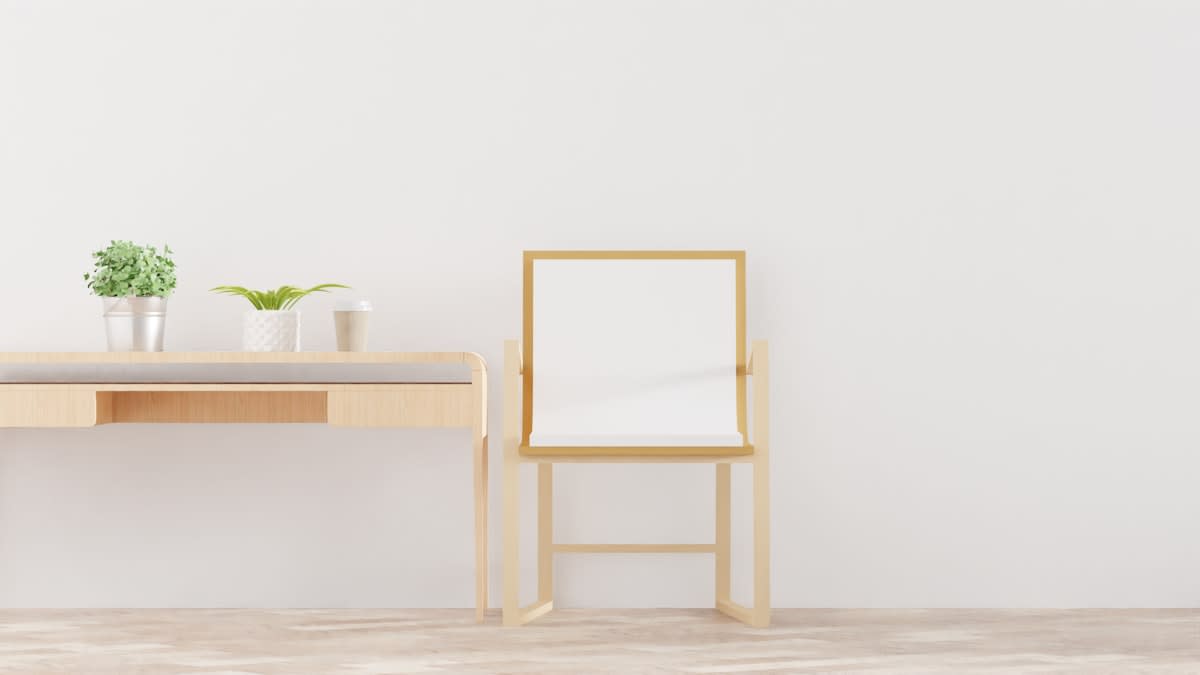
For two decades, the global design ethos was governed by a singular, oppressive mandate: subtract. From the sterile white walls of Scandinavian interiors to the flat, featureless interfaces of iOS and Material Design, the world underwent a process of aesthetic bleaching. We were told that less was more, that clarity was a virtue, and that physical possessions were merely anchors dragging us down from a state of mindful enlightenment. This was not just a style choice; it was a corporate strategy. By stripping away the idiosyncratic and the ornate, brands created a frictionless environment where consumption could happen without the interference of personality.
This sterility peaked with the rise of what critics call AirSpace. Whether you are in a coffee shop in Seoul, a co-working space in Berlin, or a boutique hotel in Mexico City, the aesthetic is identical: exposed brick, Edison bulbs, succulents, and a muted palette of grey and white. This homogenization is the physical manifestation of the algorithm. When our digital environments are optimized for the lowest common denominator to ensure global scalability, our physical environments inevitably follow suit. We have traded local character for a globalized, sterile comfort that feels familiar everywhere and meaningful nowhere.
"The drive toward minimalism was never truly about mindfulness; it was about the efficiency of the void. When you remove the artifacts of a lived life, you remove the friction that prevents a space from being instantly marketable to anyone, anywhere."— Kyle Chayka, Author and Design Critic
Why does this matter now? Because the human psyche cannot survive on a diet of white space alone. The digital world is an endless stream of ephemeral data—pixels that vanish with a swipe and clouds that hold our memories in proprietary formats. As our lives migrate further into the intangible, the urge to surround ourselves with heavy, tactile, and visually loud objects becomes a survival mechanism. Cluttercore is not about hoarding; it is about anchoring. It is a desperate attempt to prove that we exist in a physical dimension that cannot be deleted or updated by a software patch.
The Maximumist Pivot: Curation as Rebellion
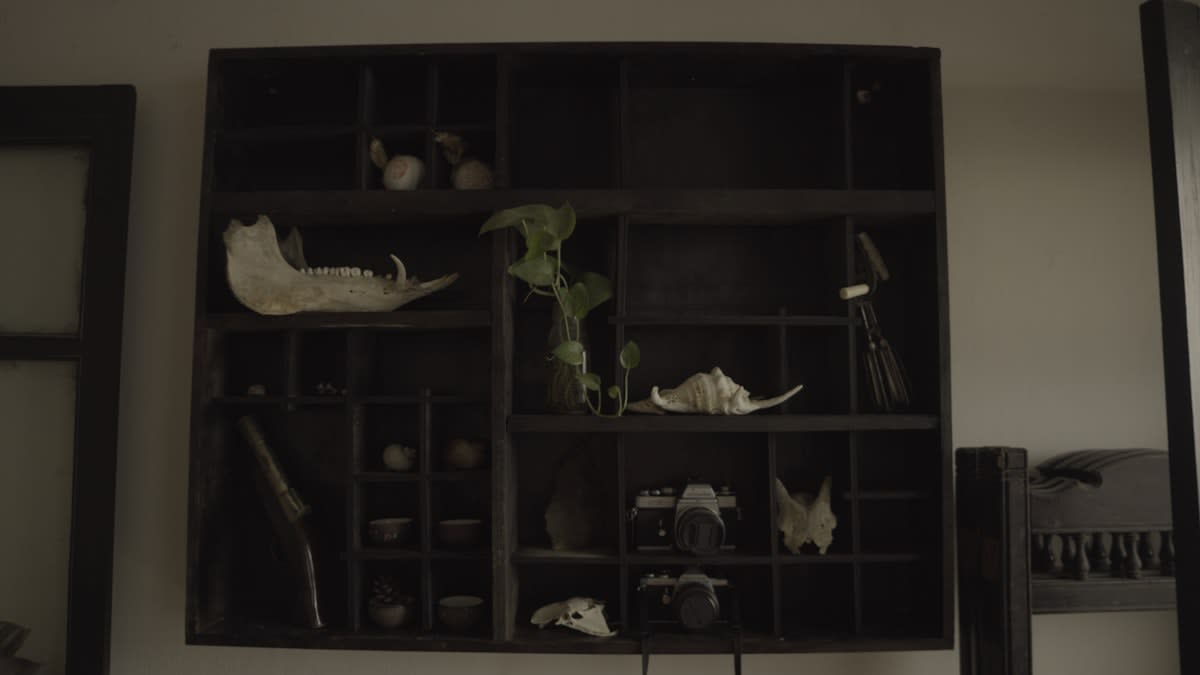
Maximumism represents a fundamental shift in how we perceive value. In the minimalist era, value was found in the absence of noise. In the Cluttercore era, value is found in the density of narrative. A shelf filled with mismatched ceramics, vintage postcards from defunct cities, and overgrown ivy is not a mess—it is a visual autobiography. Every object serves as a mnemonic device, triggering a specific memory or emotion that a clean surface simply cannot evoke. We are seeing a global return to the 'cabinet of curiosities' mentality, where the home becomes a museum of the self.
| Dimension | Digital Sterility (Minimalism) | Cluttercore (Maximumism) |
|---|---|---|
| Emotional Goal | Anxiety reduction via emptiness | Comfort via sensory abundance |
| Visual Language | Negative space, monochrome, flat | Layering, clashing patterns, texture |
| Economic Driver | Mass-produced, scalable efficiency | Thrifting, vintage, artisanal unique |
| Relationship to Time | Timelessness (Stasis) | Temporal layering (History) |
This shift is particularly evident in the younger demographic's rejection of the 'Clean Girl' aesthetic. The rigid adherence to beige linens and organized acrylic bins has been replaced by a celebration of the eclectic. In Tokyo, this manifests as a hyper-curated version of Zakka, where the beauty of the mundane is elevated to an art form. In Latin America, it is a reclamation of traditional vibrant palettes that were previously dismissed as 'too loud' for the modern, internationalist gaze. The rebellion is global, but the expressions are deeply local.
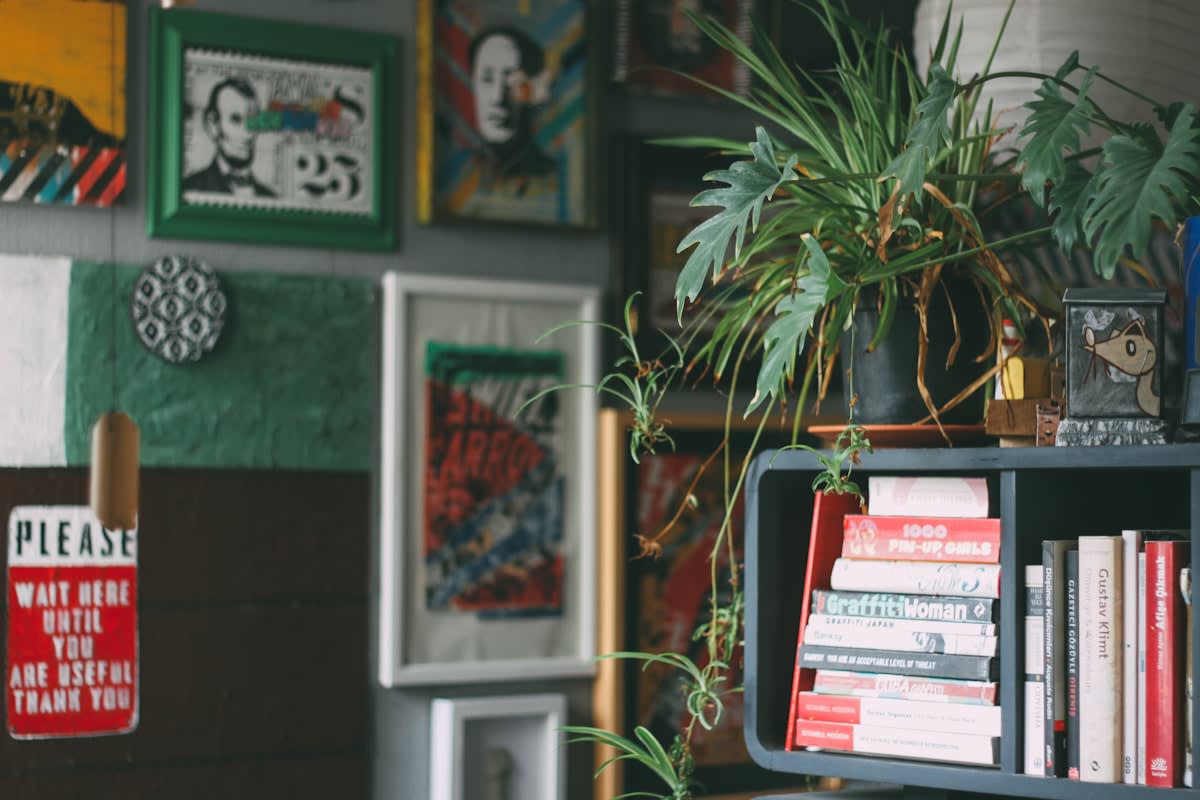
From the perspective of a practitioner in the field, this shift creates a fascinating tension in the studio. For years, architects and interior designers were trained to prioritize 'flow' and 'sightlines'—essentially, how to make a room look like a high-end hotel lobby. Now, clients are demanding 'lived-in' spaces. They want corners that feel cozy, not efficient. They want walls that are covered in art, not 'accent walls.' The internal debate among designers has shifted from 'how do we hide the clutter' to 'how do we curate the chaos so it feels intentional rather than accidental.'
This is where the 'Paradox' enters. Cluttercore is a reaction to digital sterility, yet it is heavily propagated through digital platforms. TikTok and Instagram are the primary engines driving the maximumist trend, creating a new form of 'performative clutter.' We are now seeing people buy 'vintage-looking' items in bulk to achieve the look of a lived-in life. The danger is that we replace genuine personal history with a curated aesthetic of history. When the 'mess' becomes a trend, it risks becoming just another form of the very sterility it sought to escape.
The Economic Engine of the Eclectic
The financial implications of this shift are profound. Minimalism favored the IKEA model: flat-pack, interchangeable, and disposable. Maximumism favors the secondary market. The explosion of platforms like Depop, Vinted, and The RealReal is not just about sustainability; it is about the hunt for the unique. The 'treasure hunt' is the antithesis of the one-click purchase. By sourcing objects from different eras and geographies, the consumer re-inserts a sense of adventure and discovery into the act of acquisition.
- Shift from 'Investment Pieces' to 'Conversation Pieces'.
- Rise of 'maximalist' interior services focusing on curation over renovation.
- Increased valuation of patina and wear-and-tear over pristine condition.
- Rejection of the 'all-in-one' furniture suite in favor of mismatched sets.
Does this mean minimalism is dead? Hardly. It has simply moved from being the default to being a choice. The most sophisticated spaces of the next decade will likely be those that balance the two—utilizing the clarity of minimalism to provide a stage for the richness of maximumism. The goal is no longer the absence of things, but the presence of the right things. We are moving toward a 'Mindful Maximumism' where the object is valued not for its utility or its brand, but for its ability to evoke a human connection.
Ultimately, the Cluttercore paradox reveals a deeper truth about our relationship with technology. The more our lives are mediated by screens, the more we crave the friction of the physical world. We want the dust, the mismatched colors, and the crowded shelves because they remind us that we are biological entities, not just data points in a cloud. The shift toward maximumism is a reclamation of the human right to be messy, inconsistent, and wonderfully cluttered.
Fact-Check & Accuracy Note
The analysis of 'AirSpace' and the homogenization of global interiors is based on the framework established by design critic Kyle Chayka. The discussion regarding the psychological shift from minimalism to maximumism reflects ongoing debates within the international interior design community and the observed rise of secondary-market commerce platforms. While 'Cluttercore' is a colloquial term originating from social media, its roots lie in the historical tension between Modernism and Eclecticism.