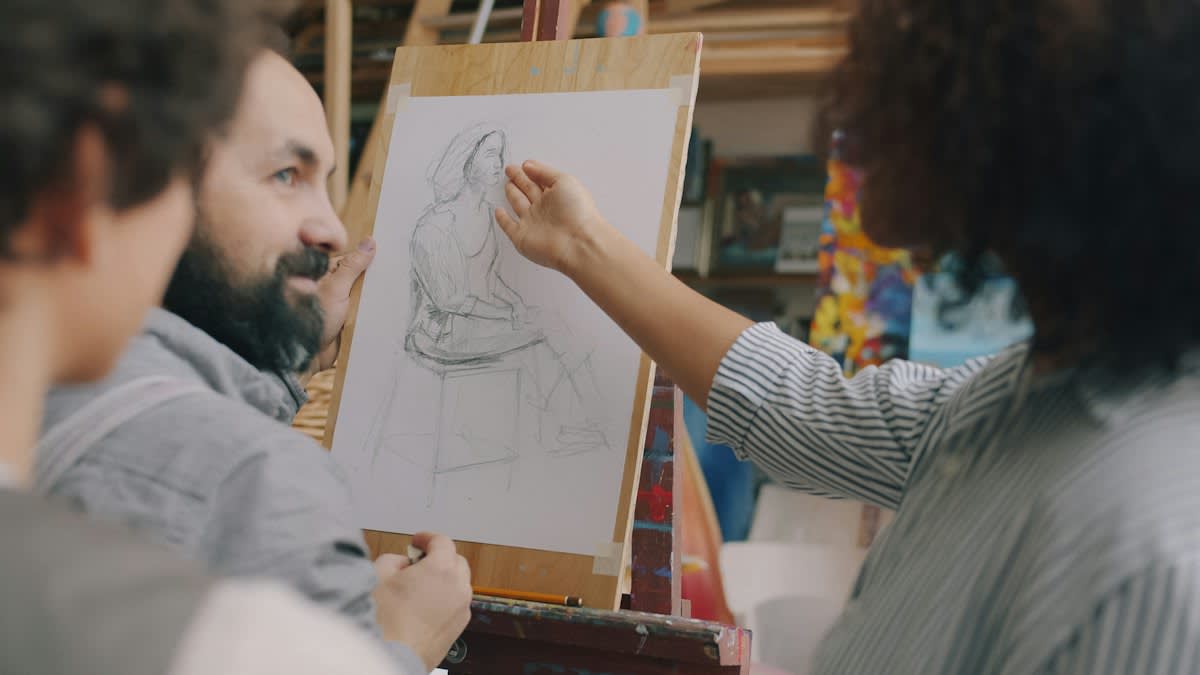
Consistency beats innate talent. 16 years of runway experience taught Rosie Huntington-Whiteley that strength and mindset matter more than a scale (Source: AOL, 2026). This shift in focus allows a professional to return to the high-stakes environment of the Victoria's Secret runway at age 39. It proves that long-term viability in the arts relies on consistency rather than a static gift. Relying on a natural spark is a gamble that often leads to stagnation.
Prerequisites for Creative Longevity
- Mindset shift from talent to discipline
- Mental and physical strength training
- Tool literacy without dependency
- Standard-based output evaluation
Moving beyond the basics requires a hard look at how we define skill. Many artists cling to the idea of innate ability to explain their success. Kyler Gordon is often cited for an innate ability to rush the quarterback, which fits into a specific scheme (Source: Chicago Tribune, 2026). However, innate ability is only useful if the scheme supports it. In the arts, the scheme is your workflow and your discipline. Without a rigorous system, natural talent remains an untapped or mismanaged resource.
Failure occurs when the standard is ignored in favor of the process. The Indianapolis Colts fired general manager Chris Ballard following a 2-4 start and a loss to the Tennessee Titans (Source: FOX Sports, 2026). The decision was driven by a standard to compete for championships that could not wait for the offseason. Creative professionals often make the mistake of believing their process justifies poor results. True mastery requires aligning innate ability with a relentless standard of output.
This alignment between ability and standard is what prevents professional decay. When an artist stops measuring their work against a high bar, they begin to rely on the ease of their natural gifts. This creates a plateau where growth stops and the work becomes repetitive. A strict standard forces the creator to evolve their skills to meet the required outcome. This is the only way to maintain a competitive edge over a long career.
"Your brain is a muscle, and the less you use it because of AI [to remember, reason and decide], it gets weaker"— Erica Dhawan, Leadership Expert and Author
This atrophy of the creative muscle is the primary threat to modern artists. AI suggests shortcuts that risk homogenizing output across the board. Giorgia Lupi warns that younger designers may fail to build their own way of seeing the world if they rely on AI suggestions from the start (Source: Vogue, 2026). This creates a cycle of brain rot where the artist no longer reasons or decides. The result is a sea of similar works that lack a unique perspective. The muscle of creativity must be flexed through manual effort before automation is introduced.
Conversely, some see technology as a force multiplier for human talent. A chief creative officer noted that 15 years ago, bringing an intangible thought to life was a lonely process (Source: The Drum, 2026). Now, the combination of humans and tech can unleash creativity by breaking down barriers to execution. The key is using AI to bring bolder ideas to life faster, not to generate the ideas themselves. This distinction separates the master from the prompt-engineer.
Using AI as a multiplier requires a foundation of manual skill. If the human element is weak, the multiplier only scales mediocrity. A strong creative vision can be amplified by technology to reach heights that were previously impossible. However, if the vision is absent, the technology simply fills the void with generic patterns. The goal is to maintain the reasoning capacity while leveraging the speed of the machine.
Implementing this balance requires a tactical approach to daily practice.
- Audit your current reliance on automated suggestions to find where reasoning has stopped.
- Establish a manual drafting phase to exercise the brain muscle before touching any software.
- Apply the AI multiplier to refine and scale the core idea once the vision is locked.
- Measure the final output against a championship-level standard rather than personal satisfaction.
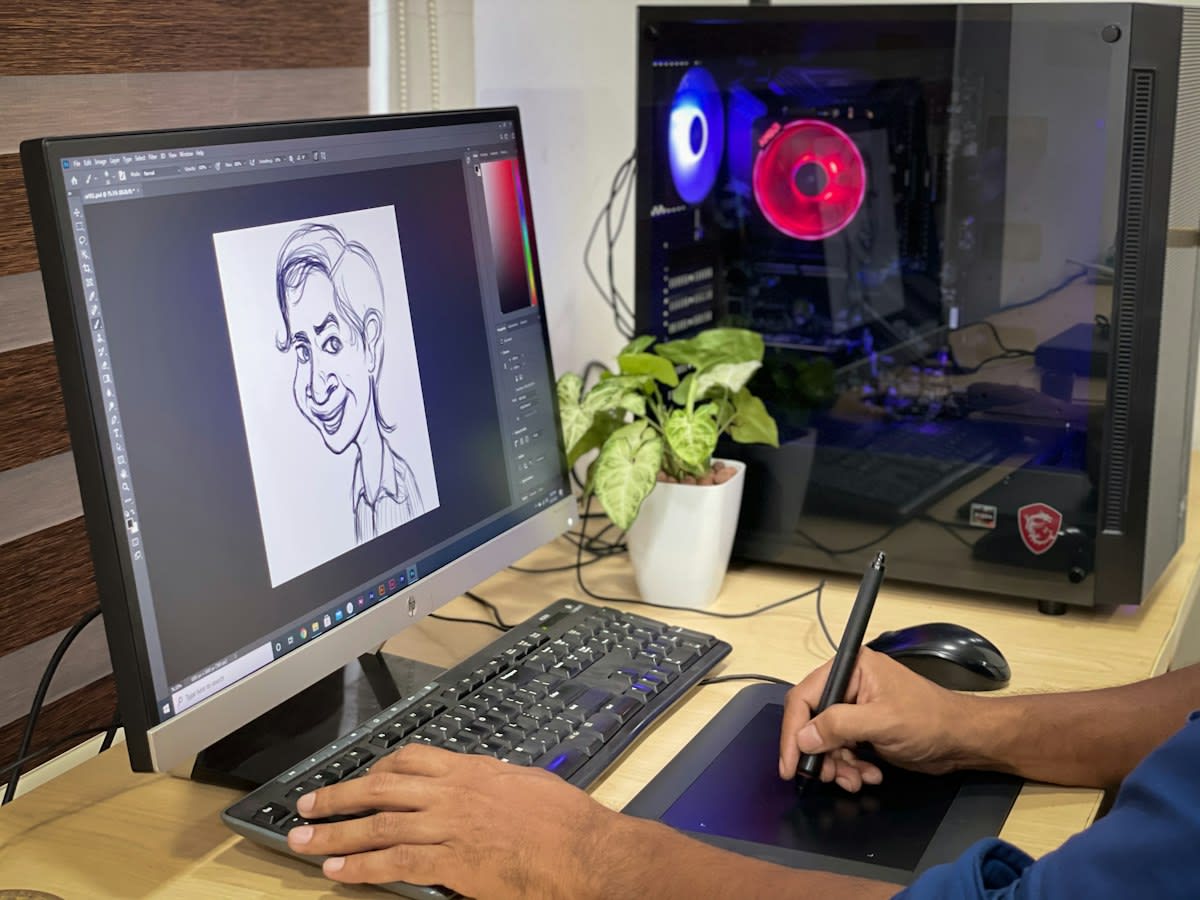
In the neon-blurred studios of Nairobi, this tension is a daily reality. Practitioners argue over whether AI-generated layouts are a shortcut to mediocrity or a path to efficiency. Those who maintain manual sketching habits find that their final AI-enhanced work has more soul and structural integrity. The friction between traditional discipline and new-age speed defines the current creative struggle. It is a battle for the preservation of the individual voice.
Real ground-level reality shows that the most successful creators are those who embrace the friction. They do not seek the easiest path, but the one that strengthens their cognitive abilities. This means intentionally choosing the harder way to solve a problem before seeking a technical shortcut. By doing so, they ensure that their brain remains a functioning muscle. This discipline allows them to command the tools rather than being commanded by them.
Failure Points
The most common failure point is the early-stage AI shortcut. When a designer uses AI to generate the initial concept, they skip the reasoning phase that Erica Dhawan identifies as essential (Source: Vogue, 2026). This leads to a loss of agency over the final product. The artist becomes a curator of AI outputs rather than a creator of original work. This shift effectively kills the professional growth necessary for long-term success.
Another failure point is the confusion of speed with quality. Because AI can produce a polished image in seconds, creators often mistake a clean finish for a strong idea. This is a dangerous illusion that masks a lack of depth. A polished, empty work is less valuable than a raw, meaningful one. True quality is found in the reasoning and decision-making process, not the final render.
Common Pitfalls
- Confusing speed with quality in the final output
- Ignoring the standard for the sake of the process
- Over-reliance on innate talent without a system
- Skipping the reasoning phase of design to save time
Fact-Check Note
This report is based on data from 2026. Key figures include Rosie Huntington-Whiteley's 16-year gap in runway appearances (Source: AOL, 2026) and the performance metrics of the Indianapolis Colts (Source: FOX Sports, 2026).
Editorial Note
Editorial Note: The focus of this manual is to highlight the danger of AI-driven cognitive decline in the arts. The use of sports analogies serves to illustrate the difference between innate ability and systemic standards.