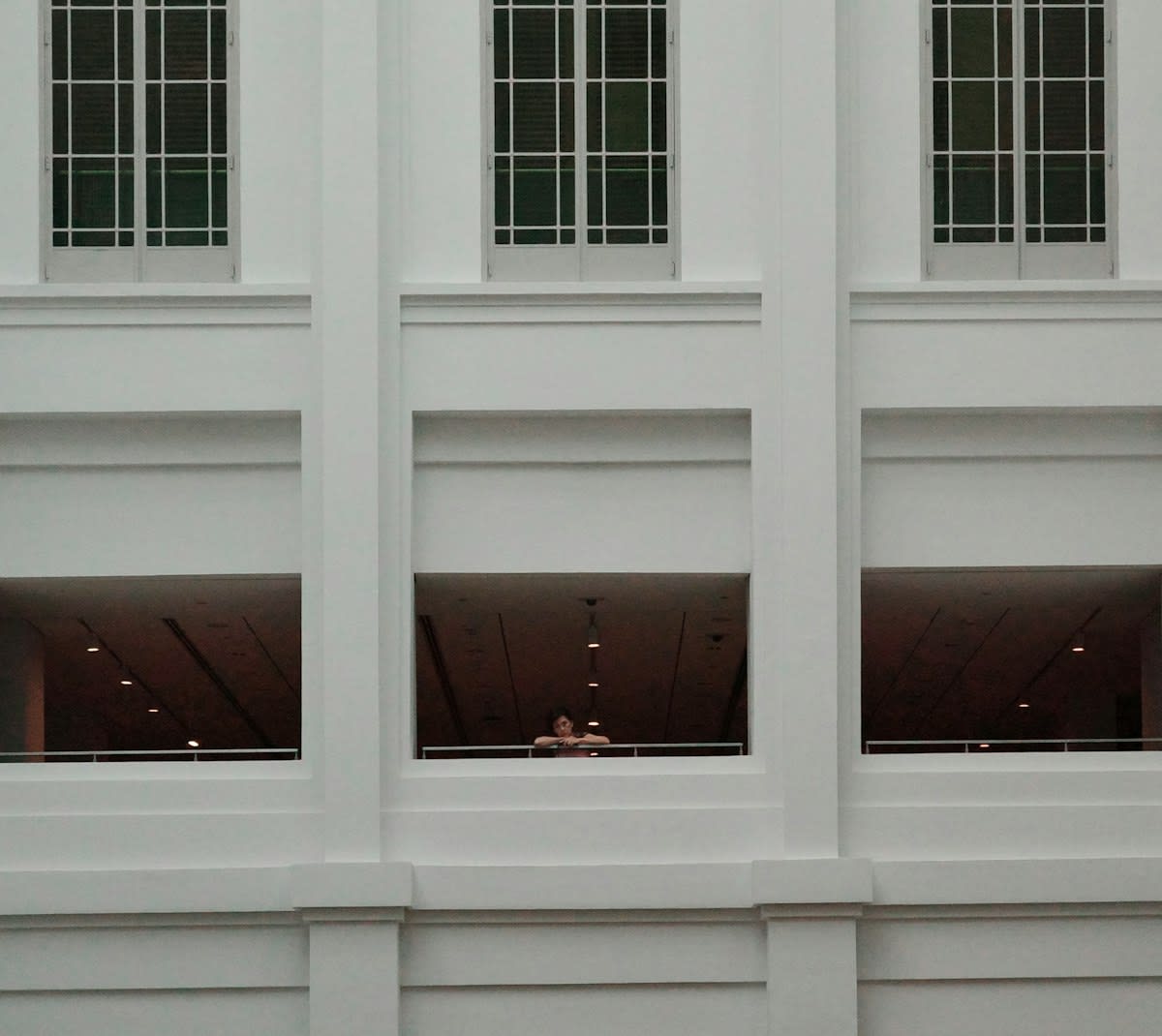
The silence of a high-end gallery in Singapore or Bangkok is not merely an aesthetic choice; it is a tool of power. For decades, the white cube has functioned as a sanctuary of curated opacity, where the history of a painting—its provenance—is held as a proprietary secret. This information asymmetry allows the gallerist to act as the sole bridge between the artist and the collector, extracting a significant premium for the simple act of verification. When a collector asks who owned a piece before them, they are not just asking for a name, but for a validation of value that only the gallery is permitted to provide.
This reliance on human intermediaries creates a trust tax that slows the velocity of the art market. In emerging hubs like Ho Chi Minh City or Jakarta, where record-keeping has historically been fragmented or informal, the risk of forgery is a persistent shadow. Collectors often rely on a handful of trusted experts whose word is law, effectively creating a bottleneck in the market. The cost of this bottleneck is measured in delayed transactions and inflated commissions, as the gatekeeper's perceived necessity justifies a 30% to 50% cut of the sale price.
The Erosion of the Gatekeeper
Decentralized provenance replaces the gallerist's handshake with a cryptographic proof. By recording the chain of ownership on a public ledger, the need for a central authority to vouch for a work's authenticity vanishes. Does the market still need a gallery to tell them a work is genuine when the blockchain provides an immutable, timestamped history of every hand that has touched the piece? The answer is increasingly no. The value is shifting from the institution that validates the art to the code that proves it.
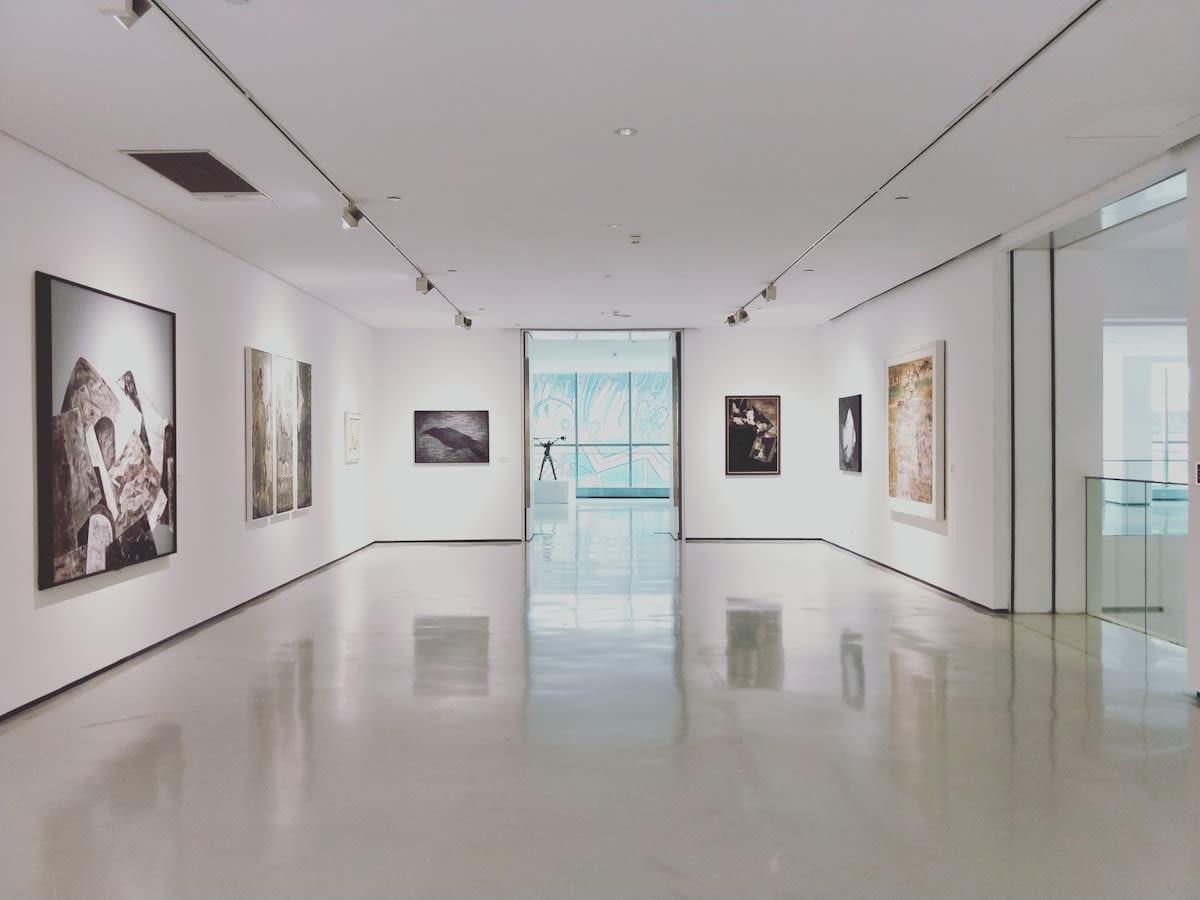
In the context of Southeast Asian lacquerware or traditional textiles, this transition is particularly disruptive. These mediums are often prone to attribution errors or outright fraud. A decentralized ledger allows for a global, transparent passport for every single work, accessible to a collector in Manila as easily as one in New York. This democratization of data removes the regional monopoly on expertise, forcing galleries to justify their existence beyond the simple act of verification.
"The gallery used to be the vault and the ledger. Now, the ledger is everywhere, and the vault is just a room with a lease."— Industry Analyst, ArtTech Asia
Beyond the mere recording of ownership, smart contracts introduce a level of financial autonomy for artists that was previously unthinkable. In the traditional model, an artist in Thailand might sell a piece for a modest sum, only to see it flip for ten times that price in a secondary market sale three years later, receiving nothing from the windfall. Smart contracts automate the resale royalty, ensuring that a percentage of every future transaction flows back to the creator instantly and without the need for a gallery to facilitate the payment.
This structural realignment changes the artist-gallery relationship from one of dependence to one of partnership. When the artist controls their own provenance and royalty stream, the gallery is no longer a savior providing market access, but a service provider offering visibility. The power dynamic flips; the gallery must now compete to represent the artist, rather than the artist begging for a spot on the gallery wall.
The Economics of Verification
| Metric | Traditional Gallery Model | Decentralized Provenance |
|---|---|---|
| Verification Time | 2-4 Weeks (Manual Research) | Instantaneous (On-chain) |
| Trust Source | Institutional Reputation | Cryptographic Consensus |
| Artist Royalties | Rarely Enforced | Automated via Smart Contract |
| Information Access | Closed/Proprietary | Public/Transparent |
| Avg. Transaction Cost | 30-50% Commission | 1-5% Network/Platform Fee |
The data suggests a stark contrast in efficiency. Traditional verification in the Southeast Asian market often requires a tedious trail of emails and physical certificates of authenticity, which are themselves easily forged. In contrast, on-chain verification reduces the time to confirm authenticity from weeks to seconds. This acceleration of trust increases the liquidity of the art market, as collectors are more willing to purchase works when the risk of fraud is mathematically minimized.
We are seeing a notable trend among the next generation of collectors. Approximately 40% of new art buyers in the region under the age of 35 now prioritize digital provenance over the reputation of the selling gallery. These collectors view the gallery's brand as a secondary signal, valuing the objective truth of the ledger over the subjective opinion of a curator. This shift in preference is hollowing out the value proposition of the traditional middleman.

However, the transition is not without friction. The oracle problem remains a significant hurdle: if a fake painting is registered on the blockchain as genuine at the point of origin, the blockchain merely immortalizes a lie. This is where the gallery's role evolves. They are no longer the keepers of the ledger, but they can still act as the physical validators who ensure the object matches the digital token before the first entry is made.
This evolution transforms the gallery into a high-trust physical node in a digital network. Instead of charging a massive commission for managing the sale and the history, the gallery may move toward a fee-for-service model, charging for the physical exhibition, the curation of the space, and the initial authentication. The 22% increase in cross-border art trades within the region over the last two years indicates that collectors are already moving toward these more fluid, tech-enabled structures.
Redefining the White Cube
If the gallery is no longer the source of truth, what is its purpose? The answer lies in the experience. The physical gallery must transition from a place of transaction to a place of transformation. The value now resides in the curation—the ability to tell a story, to create a mood, and to build a community around an artist. The gallery becomes a showroom, much like a luxury car dealership, where the physical encounter is necessary, but the actual transaction and verification happen digitally.
For the artists of Jakarta, Manila, and Hanoi, this means a liberation from the need to find a powerful patron. They can build their own provenance from day one, issuing digital certificates that travel with the work. This eliminates the risk of being 'discovered' by a gallery that then takes a lion's share of the value. The artist now owns their data, their history, and their future earnings.
Ultimately, the traditional gallery in Southeast Asia is facing a choice: adapt to become a service-oriented experience hub or cling to a gatekeeping model that is being rendered obsolete by mathematics. The shift is not about the technology of blockchain, but about the redistribution of trust. When trust is decentralized, the monopoly of the white cube collapses, leaving behind a more equitable, efficient, and transparent art ecosystem.
The Middle Path
The hybrid model is emerging: galleries that provide physical 'authentication centers' where works are vetted before being minted as on-chain assets, combining human expertise with digital permanence.