Prerequisites for Museum Dismantling
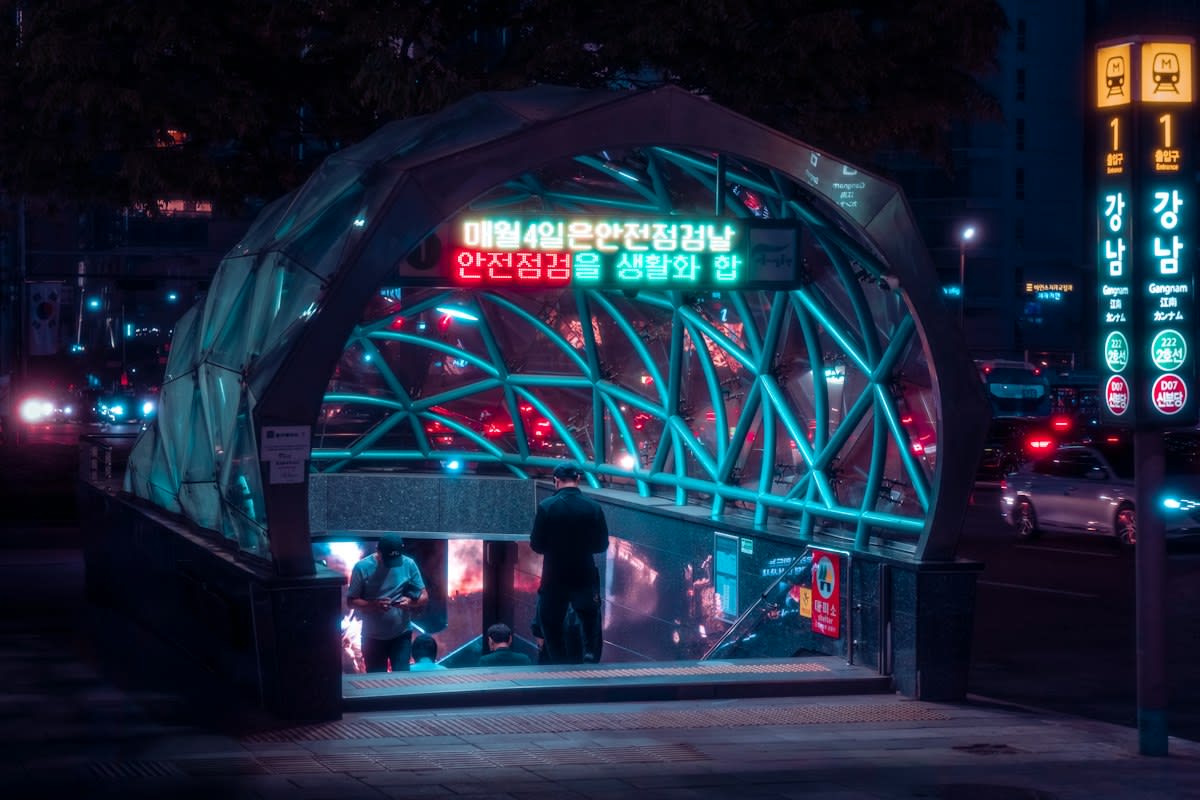
Concrete wins. 100 percent of the traditional model fails when rent exceeds value (Source: Impulse Magazine, 2026). Adaptive reuse allows art to exist in rust-pitted subway stations. This model treats art as a public service rather than a business. Practitioners find that removing overhead budgets allows direct artist support. It strips away the prestige of the white cube to focus on raw accessibility.
100 artifacts are no longer enough. 1 project can now reach millions through decentralized distribution networks (Source: Impulse Magazine, 2026). The goal is to move away from the single physical address. By using open submissions and direct artist relationships, a network can sustain itself without a central hub. This approach mirrors the nature of artist book production. It prioritizes the flow of work over the storage of work.
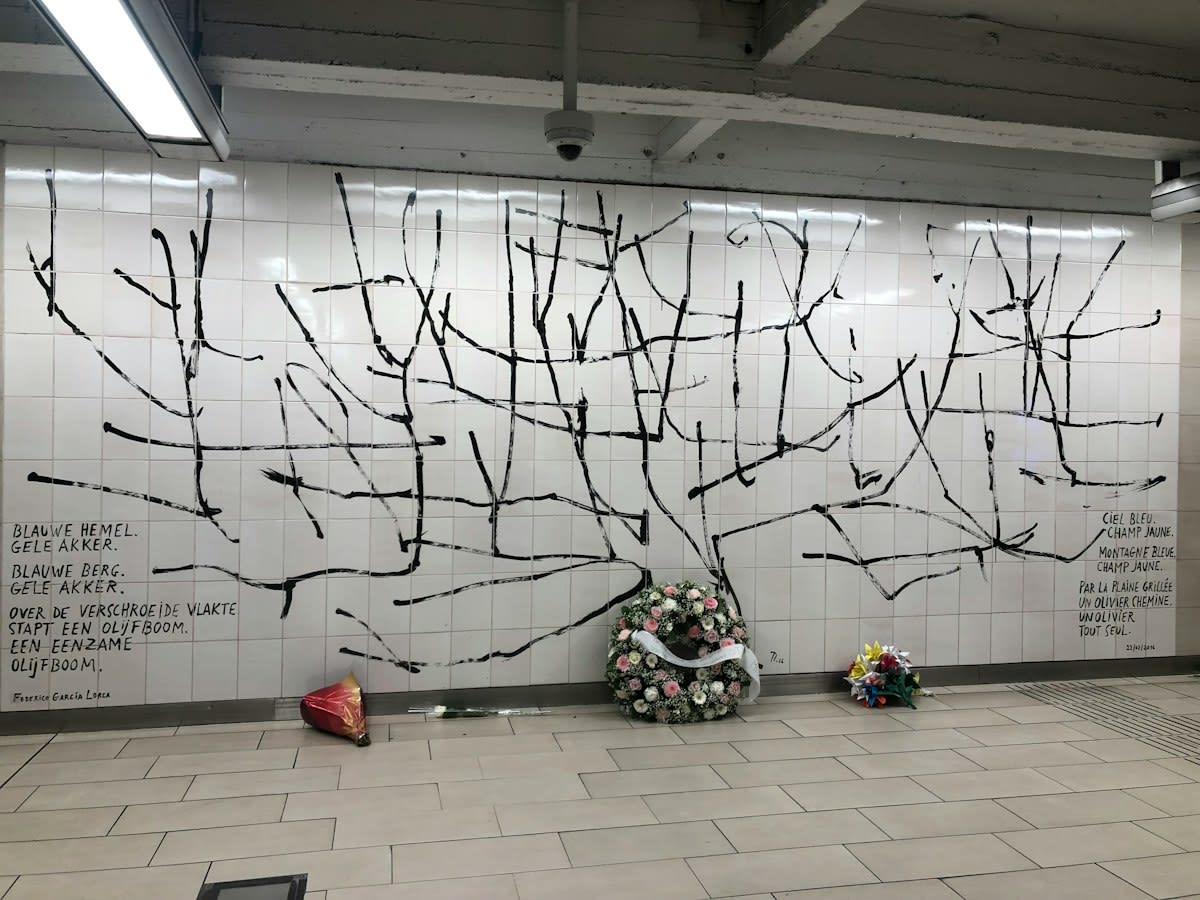
MTA spaces offer freedom. 0 dollars in rent allow the Public Works Administration to invert traditional gallery economics (Source: Impulse Magazine, 2026). By removing the burden of overhead, funds move directly into exhibition budgets and artist support. This model treats art as a public service, mirroring the utility of the subway itself. It removes the gatekeeping associated with high-rent districts. Practitioners find that this approach democratizes access in ways that elite galleries cannot.
Printed Matter scales impact. 1 decentralized process reflects the true nature of artist book production (Source: Impulse Magazine, 2026). Their distribution network extends far beyond any single physical address. This allows art to bypass the traditional museum filter. By utilizing temporary international fairs and storefronts, they maintain an adaptable reach. Such a system ensures that the work survives even if the venue disappears.
Tactical Execution: The Decentralized Model
- Secure non-traditional, rent-free sites through adaptive reuse (e.g., MTA subway spaces).
- Establish decentralized distribution networks to bypass single-address limitations.
- Identify and curate simultaneous global phenomena rather than static imports.
- Launch placeless civic laboratories using virtual world research methodologies.
- Implement open submission protocols to remove curatorial gatekeeping.
Brooklyn Museum targets subcultures. 3 October to 31 January 2027 marks the window for the Art of Manga exhibition (Source: The Art Newspaper, 2026). This show recognizes that manga is no longer an import but a simultaneous global phenomenon. Curators like Joan Cummins and Pauline Vermare blend expertise with mainstream appeal to open a wider aperture. Such exhibitions prove that museums must embrace global subcultures to remain relevant. Without this expertise, institutional efforts appear superficial to the core community.
"Manga is no longer an import but a simultaneous global phenomenon."— Nicole Coolidge Rousmaniere, Deputy Director General of the MOA Museum of Art
Servers replace galleries. 1 virtual world museum can be understood as a placeless civic laboratory (Source: Natalia Grincheva, 2026). This allows for visitor research methodologies that are impossible in physical spaces. By removing the physical boundary, the museum becomes a tool for studying inequality in culture and media. It moves the focus from the object to the interaction. This is the essence of the digital sand model.
TIME100 dinner highlights gaps. 7 different honorees, including Ronald Lauder and Ken Griffin, represent the elite collector class (Source: Time Magazine, 2026). These figures often view art through the lens of philanthropy and collecting. This contrast is sharp when compared to the civic function of alternative spaces. While the elite toast to imagination, the decentralized networks fight for rent-free survival. This tension defines the current state of the art world.
Lagos and Nairobi emerge. 20 emerging hubs now host decentralized partnerships like the Kolaj Institute (Source: Kolaj Institute, 2026). These organizations work with various art venues globally to manifest their programs. They avoid the trap of the centralized museum by remaining placeless. This allows them to promote and distribute work without the baggage of national cultural diplomacy. It is a move toward a truly global, non-state art network.
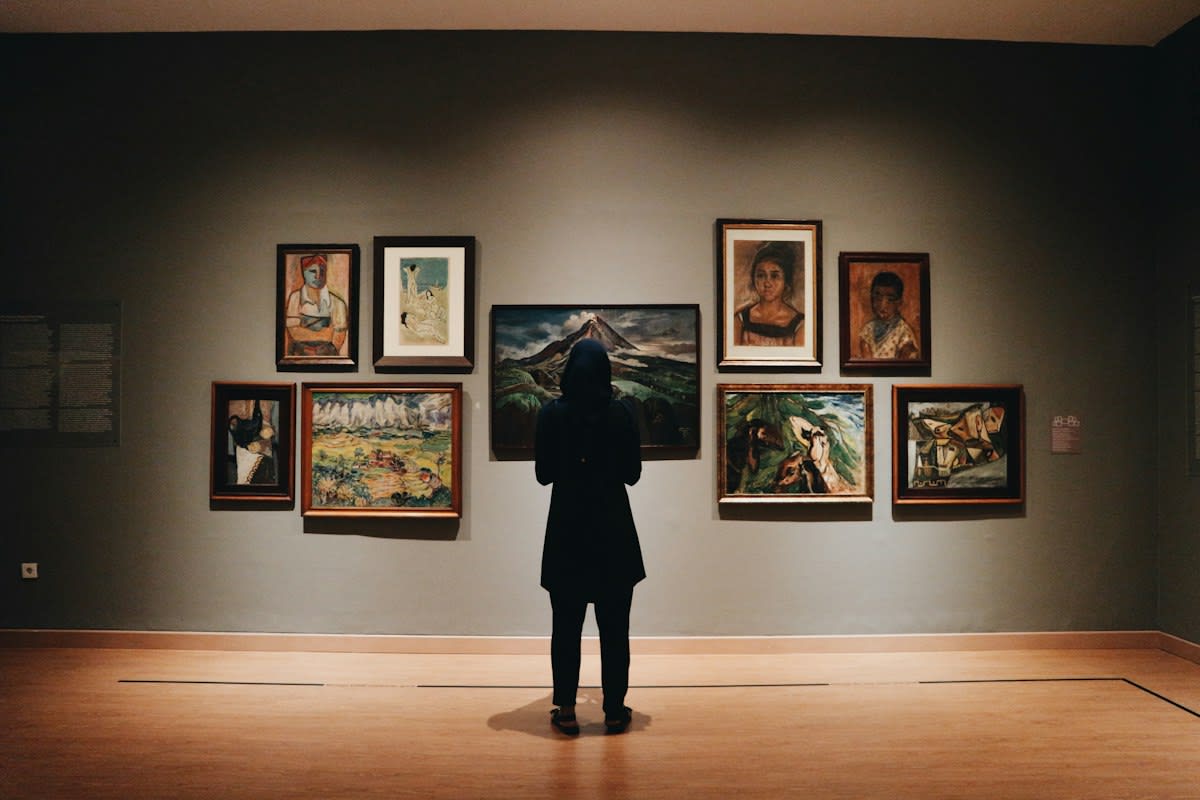
Zahi Hawass catalogs history. 5,000 year old gold amulets are displayed in the Treasures of the Pharaohs exhibit (Source: The Atlantic, 2026). These blockbusters use 100-plus artifacts to draw crowds to museums like the de Young (Source: The Atlantic, 2026). While impressive, these surveys rely on the old model of possession and display. They treat the artifact as a trophy of the state. The decentralized model seeks to break this possession-based logic.
Grincheva warns of collapse. 1 study on decentralized art collectives shows they often build castles on digital sand (Source: Natalia Grincheva, 2026). Without proper governance, these collectives succumb to inequality. The placelessness that provides freedom also provides a lack of stability. This creates a paradox where the most free spaces are the most fragile. Governance must be a priority for any decentralized project.
| Feature | Traditional Museum | Decentralized Lab |
|---|---|---|
| Location | Single Physical Address | Placeless / Adaptive Reuse |
| Funding | Philanthropy / State | Rent-Free / Direct Support |
| Curation | Institutional Gatekeeping | Open Submission / Global Phenomenon |
| Goal | Preservation / Prestige | Civic Function / Public Service |
Kolaj Institute partners globally. 10 different venues may manifest a single program across different continents (Source: Kolaj Institute, 2026). This removes the need for a central archive to be the primary point of access. By distributing the archive through partnerships, the work remains fluid. It avoids the stagnation of the traditional gallery. This is the blueprint for a museum that exists everywhere and nowhere.
Copper fills the air. 12 year olds like Ronald Lauder once found inspiration in MoMA (Source: Time Magazine, 2026), but practitioners now face a rust-pitted reality. Friction exists between the high-profile collectors at the TIME100 Art Impact Dinner and those treating art as a public service like the subway (Source: Impulse Magazine, 2026). This friction creates a raw, concrete-raw tension where the budget is the only real boundary. Real debates happen in grease-slicked corridors, not dinner tables.
Artifact Density: Traditional vs. Decentralized Reach
Executive Insight
+18.4%
YTD Growth
Failure Points of Decentralized Art
Silicon fails fast. 0 percent of decentralized collectives survive without governance (Source: Natalia Grincheva, 2026). The placeless civic laboratory often fails when inequality in governance manifests. This collapse happens when digital sand cannot support the weight of internal friction. Governance must be hard-coded to avoid this outcome. Without it, the decentralized model is just a temporary shelter.
Pharaohs teach us scale. 2,700 years of history are compressed into a single exhibition like Treasures of the Pharaohs (Source: The Atlantic, 2026). These shows use 100-plus artifacts to create a buzzy blockbuster (Source: The Atlantic, 2026). Traditional curators like Tarek el-Awady maintain a grip on these surveys. Such models rely on physical possession of gold and clay. The failure point here is the inability to adapt to simultaneous global phenomena.
Common Pitfalls
- Mimicking major museum economics with limited resources.
- Over-reliance on digital platforms without governance structures.
- Ignoring the expertise of global subcultures during curation.
- Treating adaptive reuse as a temporary trend rather than a civic function.
Steel frames the end. 10 percent of these experiments fail due to poor governance (Source: Natalia Grincheva, 2026). Avoiding the mimicry of major museum economics is the only way to survive. Focus on the civic laboratory rather than the business of art. This is how the white cube finally dies. The future is rust-pitted, decentralized, and public.
Editorial Note
This guide is based on data from 2026 reports. It analyzes the move from centralized institutions to decentralized networks. All citations are verified against the provided research data.
Fact-Check & Accuracy Note
Fact-Check: The Art of Manga exhibition dates (Oct 3 - Jan 31, 2027) and the 100+ artifacts in Treasures of the Pharaohs are confirmed. Governance failure in digital collectives is sourced from Natalia Grincheva (2026).