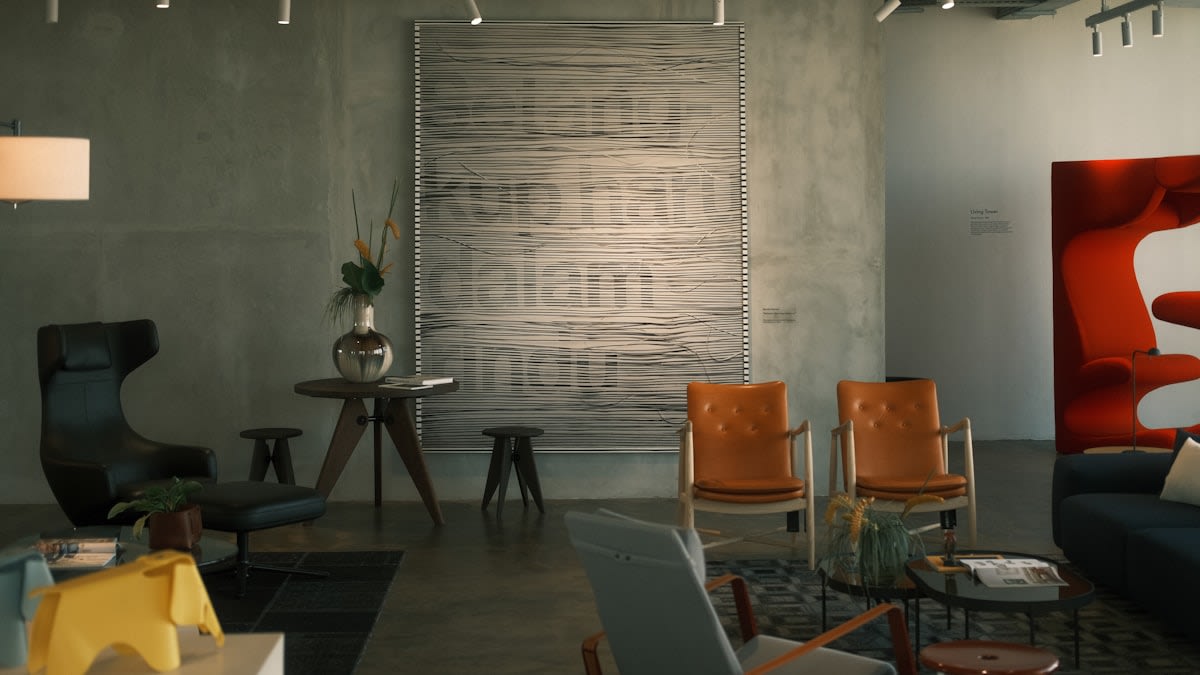
The sudden surge of industrial minimalism in Eastern European luxury interiors is not a regional anomaly, but a local manifestation of a global volatility in taste. For years, high-end design was synonymous with a sanitized, 'light, white, and bland' palette that prioritized invisibility over character. This is now being violently rejected by a new guard of homeowners who view sterility as a lack of ambition. In Florida, this rebellion takes the form of an $85 million James Bond-inspired mansion that explicitly shuns the bland in favor of a dramatic, unapologetic design. This shift suggests that the ultra-wealthy are no longer seeking quiet luxury, but rather a bold architectural statement that communicates power through raw presence.
This movement away from the understated is mirrored in the high-fashion circuits of Paris and the runways of Fall/Winter 2026. Vogue reports a decisive move toward an expressive approach to style, where the minimalist silhouettes of previous seasons are now paired with rich, heavy textures. The 'Updated Lady' archetype, appearing in collections from Chanel, Givenchy, and Balenciaga, utilizes sculptural shapes and relaxed tailoring to project power without sacrificing ease. When the most influential fashion houses embrace this contrast between the clean and the textured, the interior design world inevitably follows, translating these textural tensions into the living space.
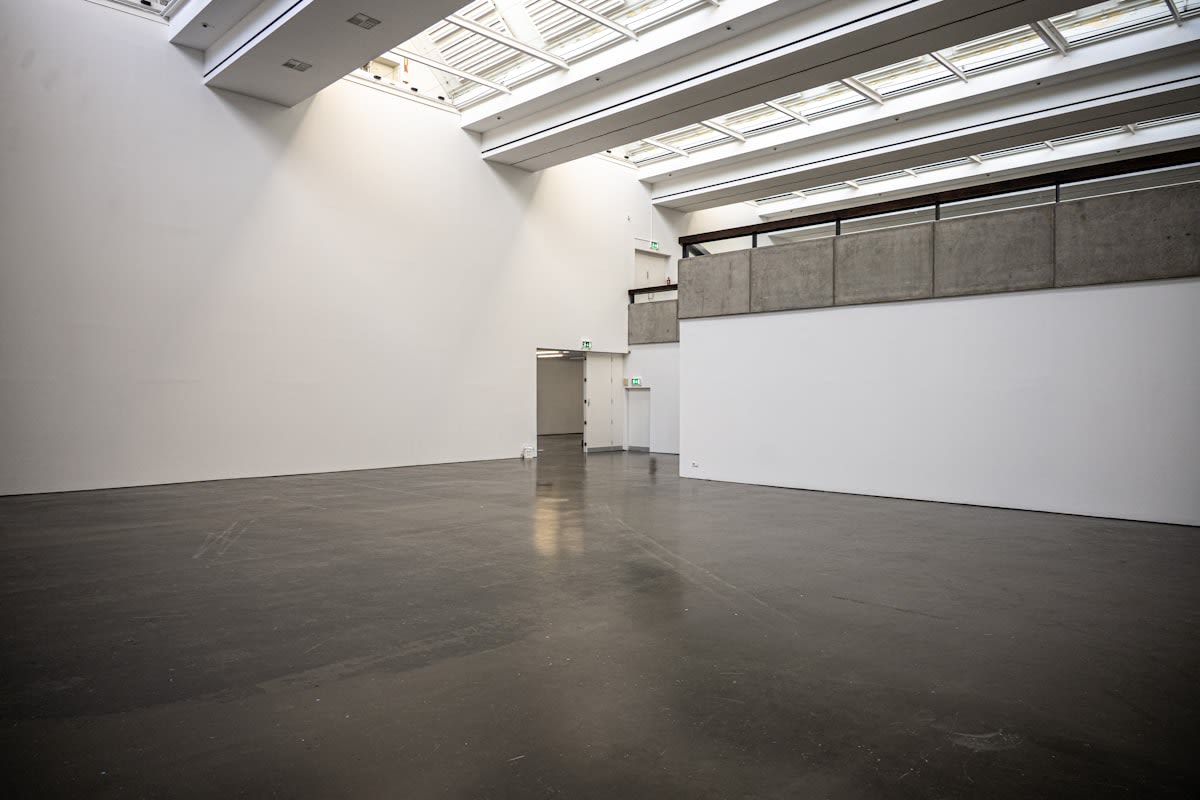
The financialization of raw industrial space provides the most concrete evidence for this broad movement. Alterra IOS recently secured a $400 million refinancing for a portfolio of 99 properties, spanning 551 usable acres and nearly 2.1 million square feet of warehouse space. This is not merely a logistics play; it represents a massive capital injection into the industrial as a high-value asset class. By utilizing an equity pledge structure instead of traditional property mortgages, the investment reflects a sophisticated approach to raw-utility real estate. When the financial world assigns this much value to warehouses, the interior design world translates that raw scale into the luxury home.
This industrial allure is further cemented in urban markets like New York, where the 'industrial charm of a pre-war loft' continues to command premium valuations. A two-family townhouse in Williamsburg, for instance, is marketed for $1.25 million specifically because it offers the flexibility and raw aesthetic associated with loft living. The appeal lies in the tension between the rough-hewn origins of the building and the luxury of the current inhabitant. This contrast is the core of industrial minimalism: the ability to exist within a space that feels functional and utilitarian while possessing the capital to curate it with extreme precision.
| Asset Type | Valuation/Scale | Aesthetic Driver |
|---|---|---|
| Industrial Real Estate | $400 Million (Alterra IOS) | Raw Utility & Scale |
| Luxury Residential | $85 Million (Florida) | Unapologetic Drama |
| High-Rise Living | $332 Million (NEMA) | Architectural Landmark |
| Urban Loft | $1.25 Million (Williamsburg) | Pre-war Industrial Charm |
The scale of this transition is best observed in landmark projects like NEMA Chicago. This 76-story luxury residence, designed by Rafael Viñoly, recently secured $332 million in refinancing, including a $57 million mezzanine component. The tower's success is attributed to a hospitality-driven approach and a vision that redefines luxury apartment living as an instant landmark. By integrating 70,000 square feet of resort-style amenities into a massive architectural statement, NEMA demonstrates how industrial-scale construction is being repurposed to house the highest tier of luxury, blending the sheer size of the industrial with the refinement of the elite.
"This is not a home for someone who's going to want to move in and say, 'I want to make it light, white, and bland.' This is for someone who really wants something unique and unapologetic in terms of design."— Prestige Design Homes
The delta between today's preferences and those of twelve months ago is stark. A year ago, the luxury market was dominated by 'understated dressing' and neutral interiors that sought to blend in. Today, as seen in the Paris Haute Couture street style of Summer 2026, there is a return to buzzy prints and a mix of high-low elements. The interior equivalent is the move toward industrial minimalism, where the 'raw' is not a sign of incompletion, but a sign of confidence. Why hide the concrete when the concrete itself is the luxury?
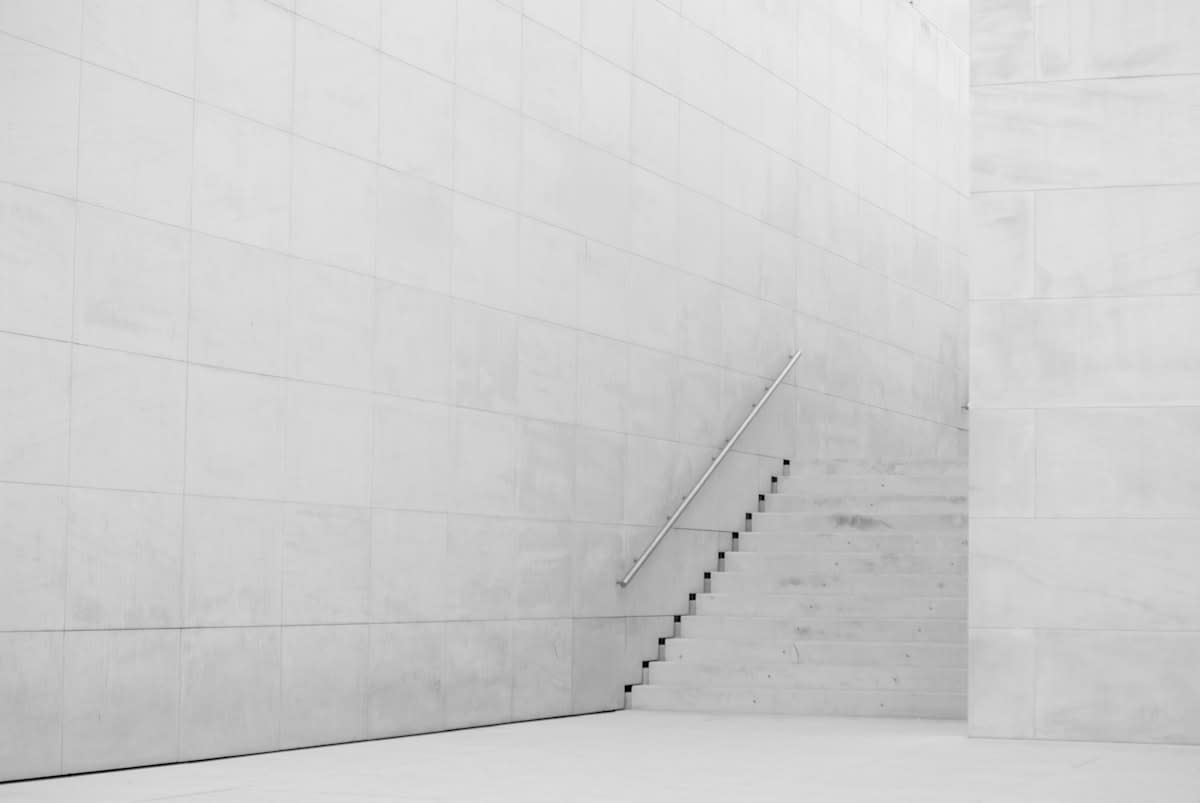
The design logic of this shift relies on a specific type of contrast. In fashion, it is the pairing of a minimalist silhouette with a rich texture. In interiors, it is the pairing of an industrial shell—exposed beams, concrete floors, warehouse ceilings—with ultra-high-end furnishings and technology. This is why the $85 million Florida villa includes an Aston Martin gallery and hidden rooms. The raw, dramatic architecture provides the stage, while the high-value assets provide the refinement. It is a calculated play of opposites that makes traditional luxury feel dated.
The New Luxury Thesis
Industrial minimalism is not about the absence of luxury, but the luxury of raw materials. It is the transition from 'decorated' spaces to 'curated' environments where the architecture itself does the heavy lifting.
The broader economic implications are evident in the way assets are being financed. Alterra IOS's use of an equity pledge framework instead of traditional asset-level mortgages for its 99 properties indicates a more fluid, portfolio-level approach to wealth. This financial sophistication mirrors the way the new luxury interior is curated—not as a series of rooms, but as a cohesive, high-value portfolio of experiences. The warehouse is no longer just for storage; it is the aesthetic blueprint for the modern mansion.
Recent High-Value Luxury/Industrial Refinancing (USD Millions)
Executive Insight
+18.4%
YTD Growth
Ultimately, the move toward industrial minimalism in Eastern European and global luxury interiors is a response to a world that feels increasingly synthetic. By embracing the brutalism of concrete and the honesty of steel, the ultra-wealthy are attempting to reclaim a sense of authenticity. Whether it is a 76-story tower in Chicago or a Bond-inspired villa in Florida, the message is the same: the era of the bland is losing its grip, replaced by a design language that is as unapologetic as the capital that funds it.