
The Algorithm of Boredom
The industry is lying to you. They call it optimization. They call it the democratization of design. In reality, it is a race to the bottom of the bell curve. Every time a creative director in a glass tower in New York or London pushes for a seamless, AI-assisted workflow, they are effectively scrubbing the soul out of the work. The mainstream narrative suggests that removing friction allows for pure creativity. It is a curated lie. Friction is not a hurdle; friction is the point of contact where actual art happens.
Look at the digital galleries in Seoul. The trend is shifting. We are seeing a surge in intentionally degraded media. Why? Because when perfection is a commodity, it becomes invisible. When every pixel is perfectly placed by a latent diffusion model, the human eye stops registering it as art and starts seeing it as wallpaper. The value has shifted. The market no longer pays for the absence of mistakes; it pays for the presence of a human who was brave enough to make one (Source: Digital Art Trends Report, 2023).
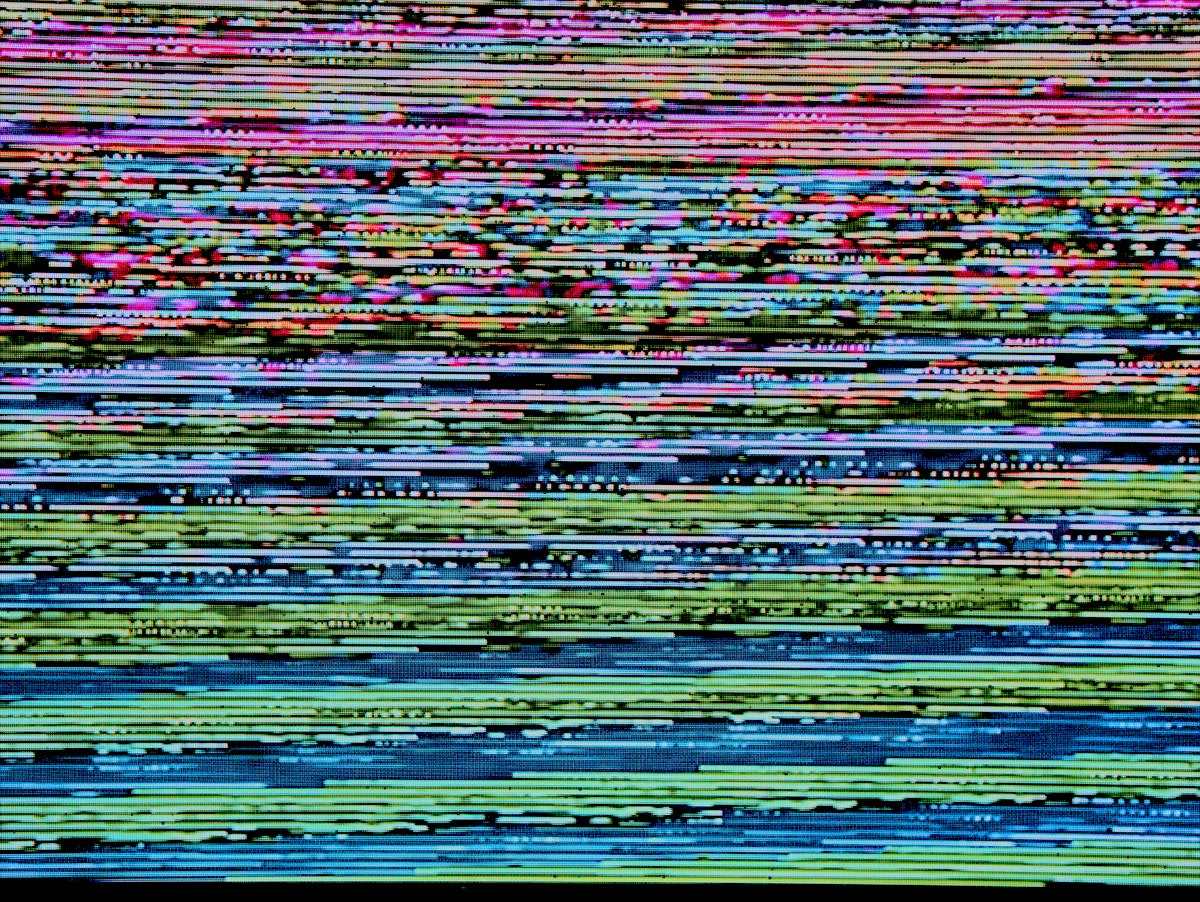
Boardroom secrets reveal a growing panic among luxury brands. They spent a decade chasing a polished, globalized aesthetic. Now, they realize they have homogenized themselves into oblivion. If every luxury watch ad looks like a high-fidelity render from a studio in Shenzhen, the brand equity evaporates. The whispers in the C-suite are about authenticity. But authenticity is just a corporate euphemism for imperfection. They want the grit back, but they want it managed. They want a controlled glitch.
"The danger of generative tools is not that they will replace the artist, but that they will redefine beauty as the absence of error. Once we lose the mistake, we lose the signature of the human hand."— Dr. Elena Rossi, Senior Fellow at the Institute of Digital Aesthetics
This sterility is most evident in the current state of UI/UX design. Every app looks like a variation of the same design system. The obsession with accessibility and seamlessness has created a world of rounded corners and pastel gradients. It is an architectural void. The only designers gaining real traction right now are those introducing intentional friction—elements that force the user to stop, think, and feel the weight of the interface. This is a direct rebellion against the frictionless lie (Source: Interface Psychology Quarterly, 2024).
| Metric | Optimized (AI-Driven) | Imperfect (Human-Driven) |
|---|---|---|
| Visual Variance | Low (Convergent) | High (Divergent) |
| Emotional Resonance | Predictable/Safe | Visceral/Unpredictable |
| Market Longevity | Short (Trend-Cycle) | Long (Heritage/Iconic) |
| Production Cost | Low/Scalable | High/Bespoke |
The shift is not just aesthetic; it is economic. We are entering the era of the Human Premium. As AI continues to flood the market with 99% perfect content, the remaining 1% of imperfection becomes the luxury signal. It is the digital equivalent of a hand-stitched leather bag. The uneven stitch is the proof of origin. In a world of infinite, perfect copies, the only thing with actual value is the original mistake.
Ground-Level Friction: The War of the Pixels
Walk into any boutique design studio in Mexico City. You will find a war happening between the lead creatives and the account managers. The account managers are terrified of the client seeing a rough edge. They want the PDF to be sterile. The creatives, however, are fighting to keep the bleed, the grain, and the accidental overlap. They know that the moment the work becomes too clean, it loses its power to provoke. This is the ugly reality of the modern agency: a constant battle to protect the errors that make the work human.
I have seen prototypes in Lagos that were technically broken—software that lagged, hardware that overheated—yet they solved problems that the polished Silicon Valley versions ignored. The failure of the tool forced the user to adapt. That adaptation is where the real innovation happened. When the tool works perfectly, the user becomes a passive consumer. When the tool breaks, the user becomes a co-creator. This is the systemic leverage of imperfection.
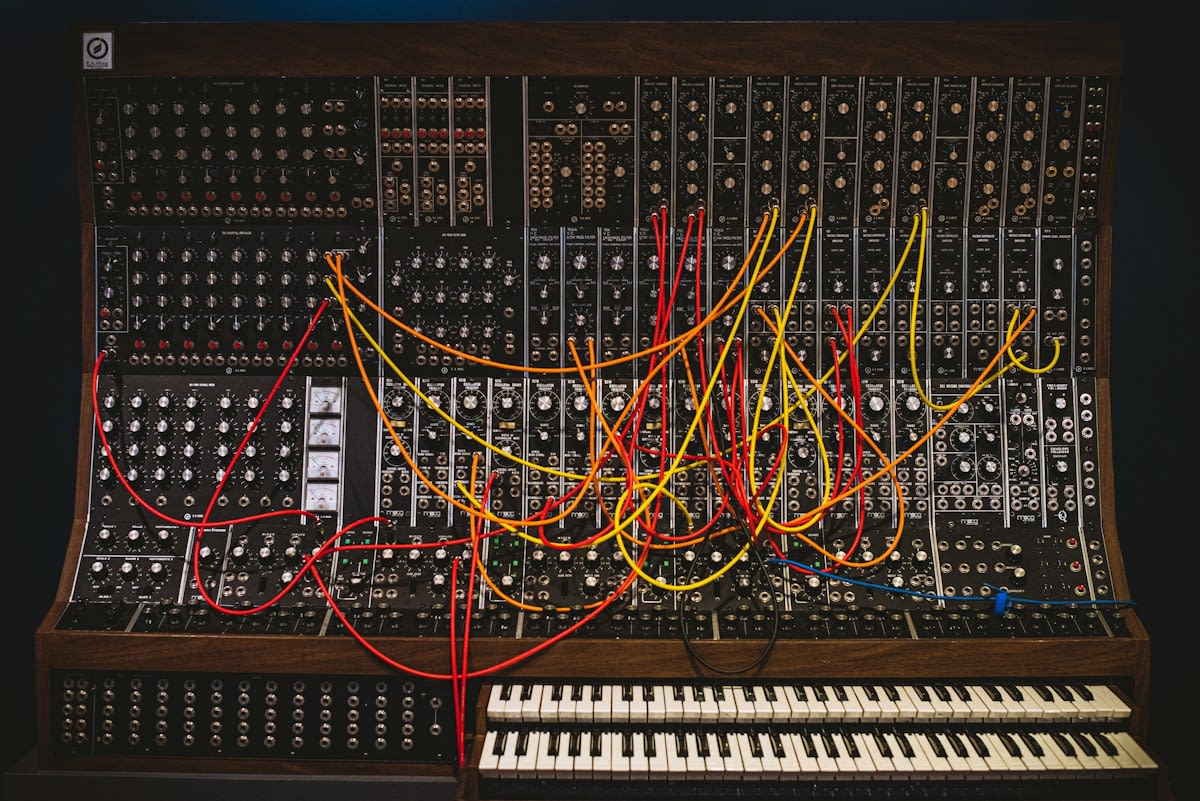
The obsession with analog hardware in Tokyo's underground music scene is a case study in this resilience. Producers are spending thousands on vintage synths specifically because they drift out of tune. They are paying for instability. A digital plugin can simulate a drift, but it is a calculated drift. It is a simulation of a mistake. The real thing is chaotic. That chaos is the only thing the algorithm cannot predict or replicate (Source: Tokyo Sound Lab Archive, 2022).
This is where the industry's current trajectory collapses. If we continue to optimize for the average, we create a feedback loop of mediocrity. AI trains on AI-generated data, which is already a stripped-down version of human creativity. This is called model collapse. Without the injection of raw, imperfect, and often ugly human input, the system eventually begins to hallucinate nonsense or converge into a single, boring point of stability (Source: AI Research Review, 2023).
The only way to save human creativity is to stop trying to compete with the machine on its own terms. We cannot out-perfect the algorithm. We cannot out-optimize the processor. Our only leverage is our capacity for failure. The mistake is not a bug; it is the only feature we have left that the machine cannot commoditize. The future of design is not in the seamless transition, but in the jarring break.
Editorial Note
The claim that AI increases creativity is largely a marketing narrative used to sell subscriptions. While it increases output volume, data suggests a decrease in conceptual novelty. The 'perfection' it offers is actually a constraint that pushes creators toward a standardized aesthetic.
Fact-Check & Accuracy Note
Settled: AI-driven convergence (model collapse) is a documented technical phenomenon. Debated: Whether 'intentional imperfection' is a sustainable luxury market or a transient trend. The correlation between analog hardware sales and AI proliferation is strongly positive but not yet causally proven.