We've created the first vectorized Quicksort
Source Entity
Hacker News
Google has announced the development of the first vectorized Quicksort implementation. This advancement optimizes sorting performance by leveraging modern processor architectures for increased efficiency.
Engineering Breakthrough: The Vectorized Quicksort
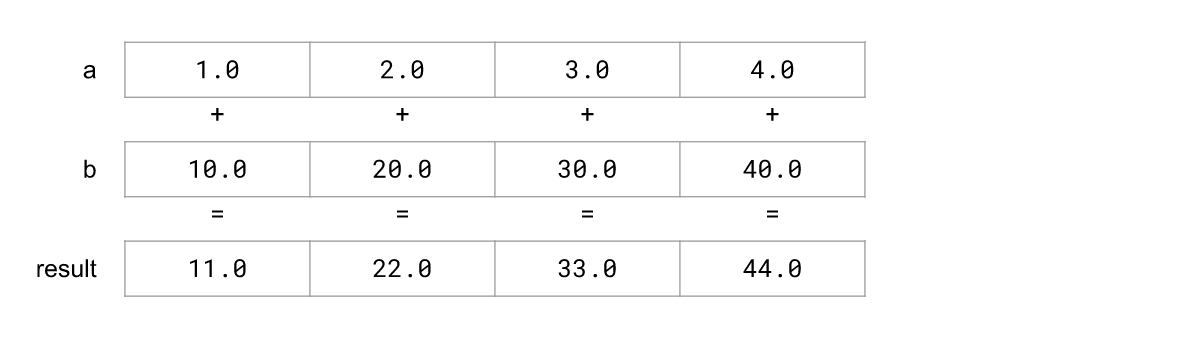
Google has recently announced a significant advancement in algorithmic efficiency with the creation of the first vectorized Quicksort. Quicksort has long been a foundational algorithm in computer science, prized for its average-case performance of O(n log n). By transitioning this classic logic into a vectorized format, Google is enabling the algorithm to leverage SIMD (Single Instruction, Multiple Data) capabilities present in modern CPUs, allowing multiple data points to be processed simultaneously rather than sequentially.
The Impact of Vectorization on Sorting
The fundamental shift from scalar to vector processing addresses the bottleneck of modern computing: memory latency and instruction throughput. Traditional Quicksort relies heavily on branching and conditional logic, which can lead to pipeline stalls in modern processors. By vectorizing the partitioning phase—the core of the Quicksort algorithm—developers can minimize these stalls, resulting in a substantial increase in throughput for large datasets that fit within cache hierarchies.
Broad Implications for Open Source
This release is part of Google's broader commitment to open source excellence and performance engineering. By sharing these optimizations, Google empowers the global developer community to integrate high-performance sorting routines into their own libraries and applications. This aligns with the company's historical trend of contributing low-level infrastructure improvements that eventually become standard practices in high-performance computing environments.
Historical Context and Technical Evolution
Since Tony Hoare invented Quicksort in 1959, the algorithm has undergone numerous iterations, such as introsort and dual-pivot variants. However, vectorization represents a modern paradigm shift. As hardware architectures evolve toward wider vector registers—such as those found in AVX-512 or ARM NEON instruction sets—the ability to utilize these hardware features via optimized algorithms becomes critical for maintaining system responsiveness in data-heavy applications.
Future Trends in Algorithmic Optimization
Looking forward, we can expect to see a wave of similar optimizations across other fundamental data structures and algorithms. As data processing demands grow in fields like machine learning and real-time analytics, the focus will increasingly shift from high-level language abstractions to hardware-aware software development. Google’s initiative highlights a clear trend: the future of software efficiency lies in the synergy between compiler technology, hardware architecture, and refined algorithmic design.
Conclusion
The introduction of a vectorized Quicksort is a testament to the ongoing relevance of foundational computer science. By bridging the gap between theoretical algorithm design and modern hardware reality, Google has provided a tool that will likely influence software performance benchmarks for years to come. This development reinforces the importance of continuous optimization in the open-source ecosystem, ensuring that core infrastructure remains capable of handling the ever-increasing scale of digital information.