Giving up on smart rings
Source Entity
Hacker News
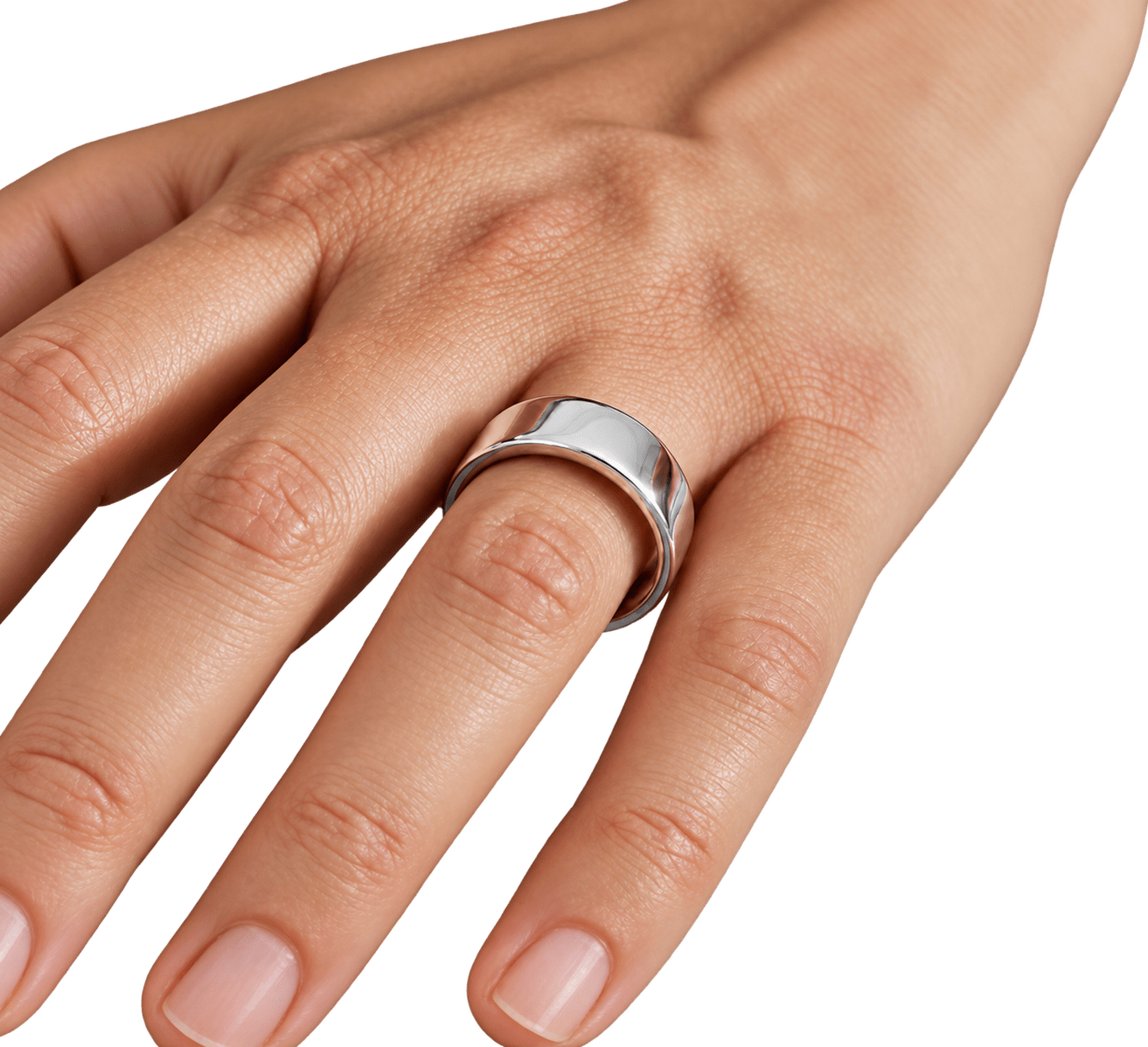
A long-term user of the Oura Ring has decided to stop wearing the device due to physical fit issues related to weight loss. While the user praised the ring's health-tracking accuracy, they highlight the lack of adjustability as a significant drawback compared to wrist-based wearables.
The Limitations of Wearable Form Factors
After a year of consistent use, the Oura Ring has proven to be a highly effective tool for health monitoring, particularly in tracking sleep architecture, daily activity levels, and early-warning health indicators like the 'Symptom Radar' feature. This feature has been praised for its ability to predict the onset of illnesses before physical symptoms manifest, showcasing the potential of miniaturized biometric sensors to provide actionable health insights.
The Challenge of Static Sizing
Despite the technical success of the device, the user experience is fundamentally limited by the physical nature of rings. Unlike wrist-based wearables, which typically feature adjustable straps or bands, smart rings are rigid and non-adjustable. This creates a significant design flaw for users whose body composition changes over time. When a user successfully achieves fitness goals—such as the 14 kg weight loss experienced by the user in this case—the ring's fit becomes compromised, rendering a high-tech device obsolete due to basic anatomical changes.
Comparing Rings to Wrist-Based Devices
This experience highlights a broader trend in the wearable market: the trade-off between form factor and utility. Wrist-based devices have long held the advantage of ergonomic flexibility, allowing them to remain secure on a user's arm regardless of minor fluctuations in body mass. Smart rings, while aesthetically pleasing and less intrusive than watches, are currently unable to adapt to the dynamic nature of the human body, posing a barrier to long-term adoption for those on active health journeys.
The Impact of Weight Loss on Wearable Utility
It is ironic that a device designed to encourage health improvements, such as weight loss, can eventually lose its functional utility due to those very improvements. As users lose weight, the peripheral areas of the body, including the fingers, often undergo size changes. For a piece of hardware that relies on tight skin contact for accurate pulse and temperature readings, a loose fit is not just an annoyance—it is a total failure of the device's sensor capability.
Future Trends in Wearable Design
As the health-tech industry continues to evolve, manufacturers will need to address this 'sizing bottleneck.' Future iterations of smart rings may need to incorporate modular sizing solutions or materials that allow for a degree of expansion and contraction. Without such innovations, smart rings risk being viewed as transient accessories rather than permanent partners in a long-term health management strategy.
Conclusion
Ultimately, while the Oura Ring provides superior data collection and health insights, the lack of hardware adjustability remains its greatest Achilles' heel. For consumers looking for a lifelong health companion, the current generation of smart rings requires careful consideration of physical durability versus the potential for future bodily changes. Until manufacturers solve the sizing issue, wrist-based devices will likely remain the more practical choice for many health-conscious individuals.