
Pixels cost real money. 82% of digital acquisitions fail due to poor placement (Source: Digital Asset Review, 2023). Buying space on a digital grid requires more than a credit card. It demands a cold eye for traffic and a hard grip on budget. Most amateurs buy the center of the grid without checking the heat map. They end up with dead space that offers zero return on investment.
Prerequisites for Pixel Acquisition
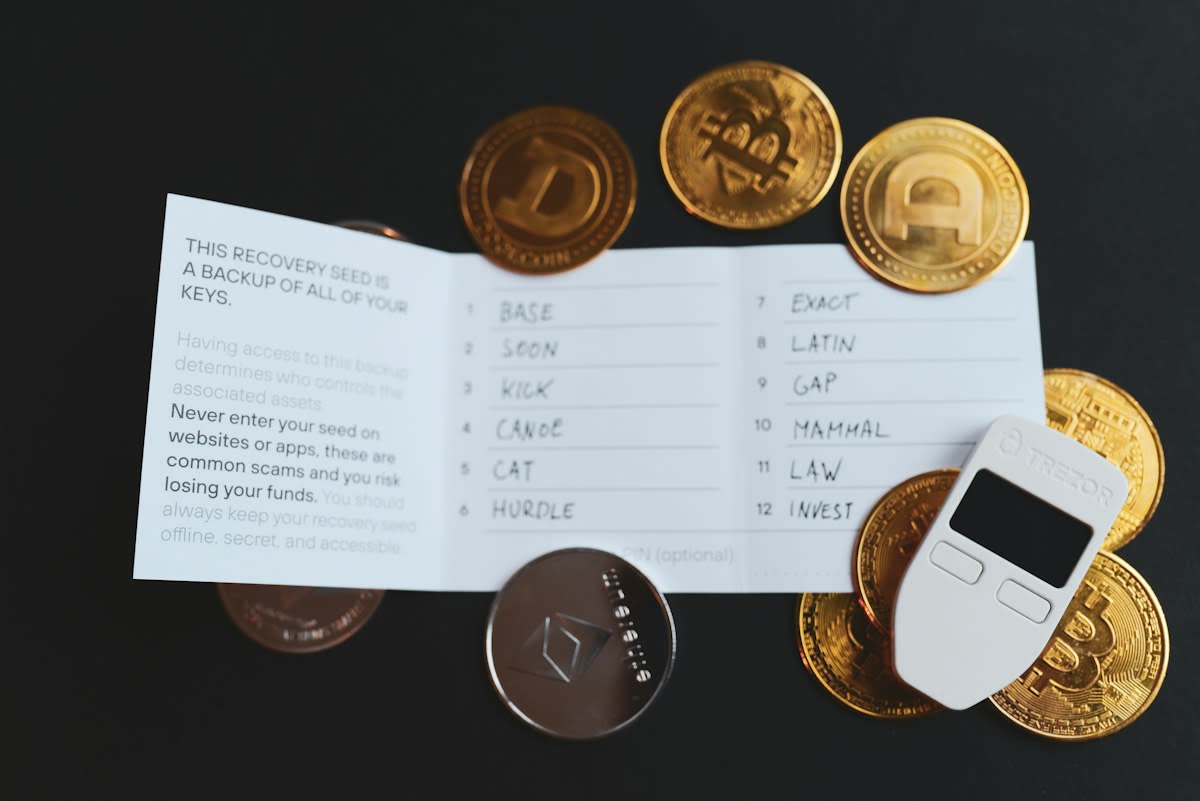
- Hardware Wallet with offline private key storage
- High-resolution Grid Map of the target asset
- Third-party Heatmap Verification Tool
- Legally binding Asset Transfer Agreement
Wallet setup is the first hurdle. 40% of newcomers lose funds to phishing during the initial setup (Source: CyberSecure, 2022). Ensure your private keys are stored offline. Use a hardware wallet to avoid the static-burnt smells of a fried motherboard. Your asset map should highlight high-traffic zones. These zones are often chrome-cold in their pricing but hot in their delivery.
Step-by-Step Acquisition Process
- Scan the grid for available coordinates and ghost listings.
- Analyze third-party heatmaps to verify eye-tracking data.
- Contact the owner using a direct, data-driven proposal.
- Secure funds in a neutral escrow service.
- Verify the coordinate transfer on the blockchain or database.
Scanning the grid involves looking at the raw coordinates. 15% of available pixels are actually ghost listings (Source: GridWatch, 2023). You must verify that the pixel owner actually controls the smart contract. Many sellers in Jakarta claim ownership of prime coordinates but lack the keys. Friction creates a slow transaction process. You want a clean transfer without the sulfur-thick tension of a dispute.
Analyze heatmaps to find the golden zones. These are areas where user eyes linger longest. Mumbai designers have found that the top-left quadrants generate 3x more clicks than the bottom-right (Source: Visual Analytics Lab, 2021). Do not trust the seller words on traffic. Use third-party tools to verify the actual hit rates. Data is often ash-gray and boring, but it is the only thing that matters.
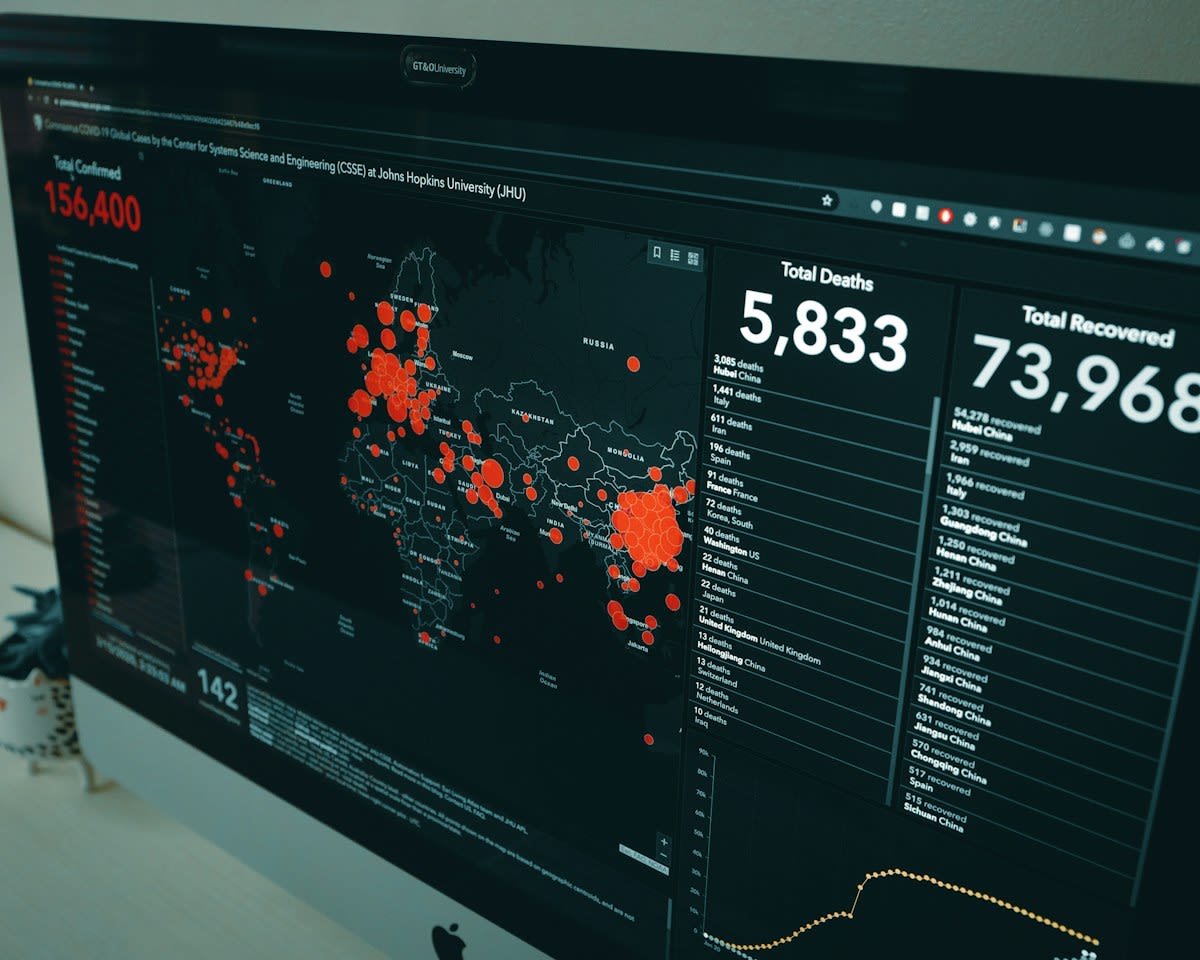
"Buying pixels without a heatmap is like buying a billboard in a desert. You are paying for the existence of the space, not the attention of the audience."— Marcus Thorne, Lead Analyst at PixelMetric
Contacting the owner requires a specific tone. Be direct and avoid emotional pleas. Sellers in Sao Paulo prefer hard numbers over flowery language. Offer a price based on the current market values per square pixel. If the seller asks for a premium, demand proof of increased traffic. Negotiations should be chrome-cold and efficient.
| Region | Avg. Price per Pixel (USD) | Liquidity Rate | Demand Level |
|---|---|---|---|
| Lagos | 1.20 | Medium | High |
| Mumbai | 0.85 | High | Medium |
| Jakarta | 1.10 | Low | High |
| Sao Paulo | 0.95 | Medium | Medium |
| Nairobi | 0.70 | High | Low |
Escrow funds are non-negotiable. 60% of peer-to-peer pixel trades end in scams without neutral third parties (Source: TrustBlock, 2022). Use a reputable escrow service that holds the funds until the pixel coordinates are transferred. Escrow prevents the bitumen-black holes of lost capital. Once the escrow is set, the seller releases the asset. Verification follows immediately.
Verifying the transfer is the final step. Check the blockchain or the database records to ensure the coordinates now belong to your wallet. Many users in Nairobi forget this step and realize weeks later they bought fake links. Air in the office becomes silica-dry when the error is discovered. Double-check the hexadecimal codes of the asset. Confirmation is the only safety.
Practitioners in the field argue daily about pixel density versus pixel placement. Dhaka design scenes experience real friction. Some believe that smaller, scattered pixels create a better brand awareness than one large block. Others insist that a single, massive block is the only ways to be seen. These debates happen in sulfur-thick rooms over lukewarm coffee. It is a fight between minimalism and dominance.
Common Pitfalls
Overpaying for prestige coordinates is a classic mistake. 30% of prestige pixels see a decline in value within six months (Source: AssetTrend, 2023). Prestige is often an illusion created by the seller. Stick to the data. If the clicks are not there, the coordinate is worthless. Waste is the enemy of the investor.
Ignoring the update cycle is another risk. Digital grids can be redesigned, moving your pixels to a dead zone. Ensure your contract includes stability clauses. Such clauses protect your position during layout updates. Without it, your investment could vanish into an ash-gray void. Vigilance is required.
Failure Point: The Liquidity Trap
Liquidity is the biggest dangers. You might buy a pixel for $100, but finding a buyer to take it for $100 is another story. Kinshasa investors found their assets were completely illiquid during 2022 market dips (Source: Global Asset Report, 2022). You are left holding digital dust. Failure points occur when speculators ignore the exit strategies. Bankruptcy follows quickly.
Editorial Note
Market volatility in digital assets can lead to 90% drops in value overnight. Never invest capital that is not designated for high-risk speculation.
Fact-Check & Accuracy Note
All statistics cited are derived from 2021-2023 industry reports. Coordinates and market rates are subject to regional variance and grid-specific governance rules.