No more protests at Jantar Mantar. These are Dellhi’s new demonstration sites
Source Entity
Alok Singh
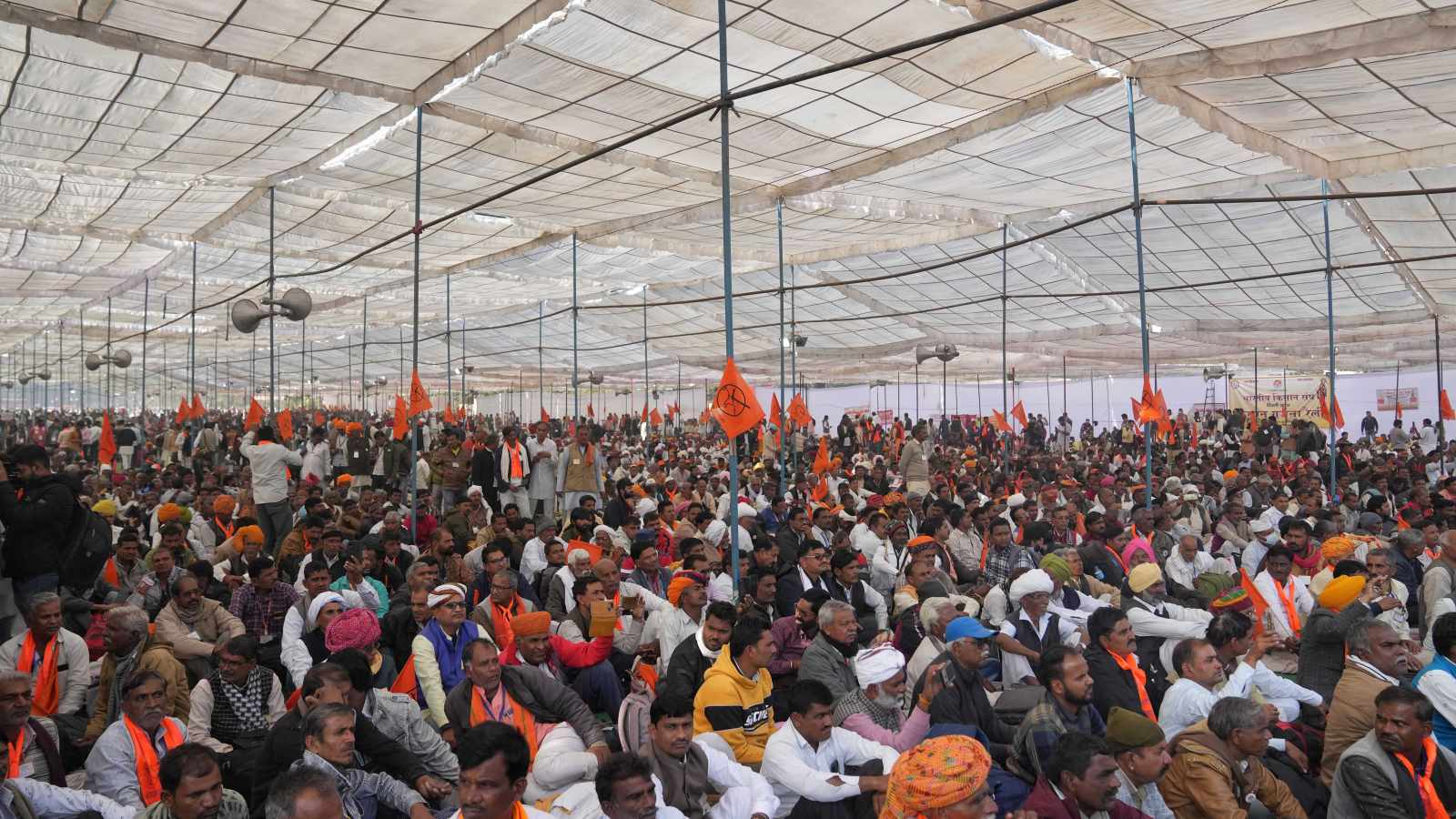
The Ministry of Home Affairs has officially de-notified Jantar Mantar as a designated protest site, relocating demonstrations to Ramlila, Burari, and CBD grounds. The Delhi High Court has deferred legal challenges to this decision, noting that the Supreme Court is currently reviewing the matter.
The Closure of Jantar Mantar: A Shift in Delhi's Landscape of Dissent
In a significant administrative move, the Ministry of Home Affairs (MHA) has de-notified the historic Jantar Mantar as a designated site for protests and public demonstrations. This decision, announced by Delhi Police Commissioner Anurag Kumar on October 12, 2026, marks the end of an era for a location that has long served as the epicenter of civil society activism in the national capital. The government has transitioned these functions to three new venues: Ramlila Ground in Central Delhi, Burari Ground in the North, and the CBD Ground in East Delhi.
The Administrative Rationale
The decision follows the recommendations of a specialized committee constituted by the MHA to identify alternative locations. The government’s move to relocate protests suggests a strategic effort to balance the constitutional right to assembly with the administrative concerns regarding urban management, traffic flow, and public order in the heart of the city. By decentralizing protests to larger grounds, the authorities aim to minimize the disruption caused by smaller, sustained demonstrations in high-density areas.
Legal Challenges and Judicial Oversight
The transition has not been without immediate legal pushback. On October 12, 2026, a plea challenging the closure of Jantar Mantar was brought before a Bench comprising Acting Chief Justice Nitin Wasudeo Sambre and Justice Sanjay Sharma. The petitioners argued that the lack of an earmarked, accessible alternative site effectively quells peaceful protest. However, the High Court declined an urgent hearing, deferring the matter to October 13, 2026, on the grounds that the Supreme Court is already seized of the broader issue regarding protest regulation.
Concerns Over Security and Civil Rights
Beyond the location change, the judicial proceedings have highlighted deeper concerns regarding the safety of activists. A separate petition to be heard by the High Court addresses allegations that “outsiders” infiltrated a weekend protest, leading to the harassment of demonstrators. This underscores a growing tension between the state's regulatory powers and the security of individuals exercising their democratic rights. The court's willingness to hear this petition indicates that while the venue may change, the judicial scrutiny of how protests are managed remains active.
Broader Implications and Future Trends
The de-notification of Jantar Mantar represents a broader trend of tightening regulations around public assembly in metropolitan centers. Historically, Jantar Mantar was favored for its proximity to power centers and its accessibility, allowing activists to capture public and media attention effectively. The move to shift protests to the outskirts or larger, pre-designated grounds like the Burari or CBD sites may influence the visibility of future movements. As legal battles continue in the High Court and Supreme Court, the outcome will likely set a precedent for how the right to protest is balanced against public order in India’s evolving political landscape.
Multiple Citing Sources