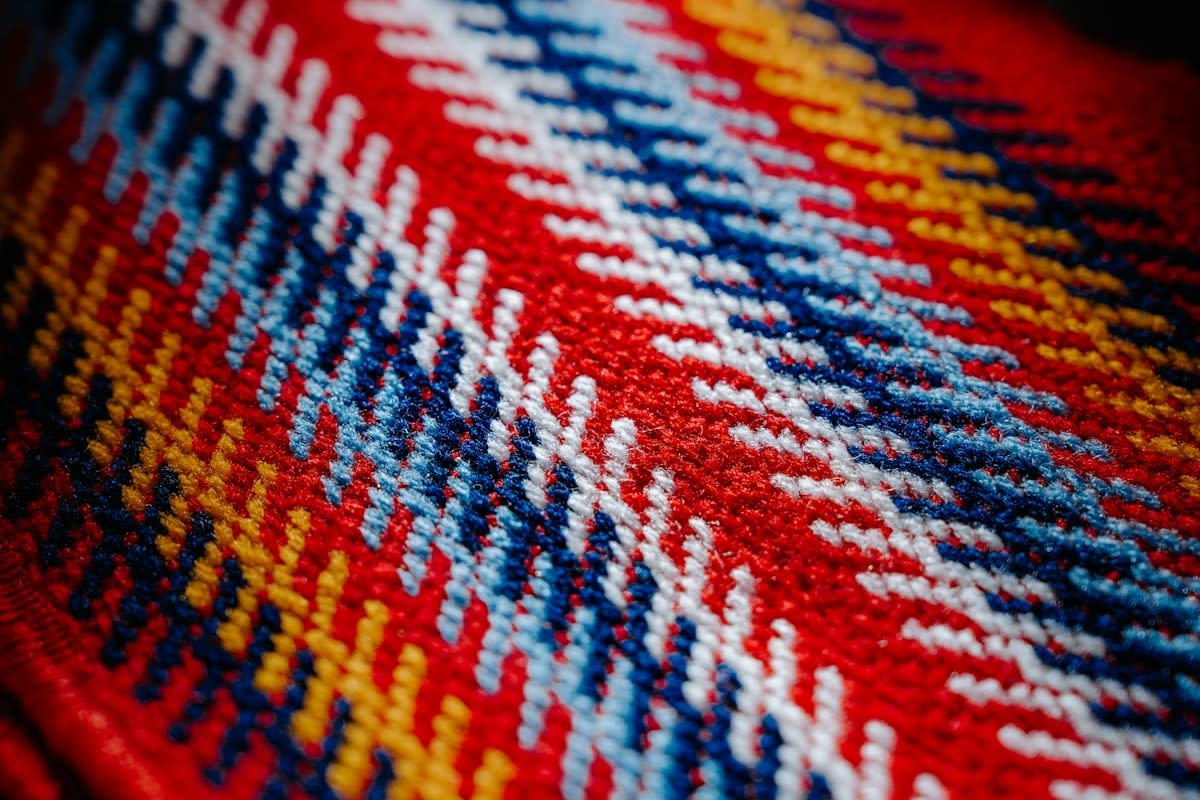
Copyright is a lie. The legal machinery of the West treats the collective wisdom of the Global South as a free resource, stripping value from the originators to feed corporate patents (Source: WIPO, 2023). The theft is legal. Why do we assume a patent office in Geneva defines ownership better than a thousand-year-old oral tradition? This contradiction fuels a new movement where Indigenous nations stop asking for permission and start demanding a price.
The Default of Theft
The law fails. For centuries, Western courts categorized collective ancestral knowledge as public domain to justify the extraction of botanical and artistic assets without compensation (Source: UNCTAD, 2022). This is a design flaw. By requiring a single 'author' or a 'fixed date of creation,' the current IP regime ignores the fluid, intergenerational nature of Indigenous design. It creates a vacuum where the most valuable knowledge is the most vulnerable.
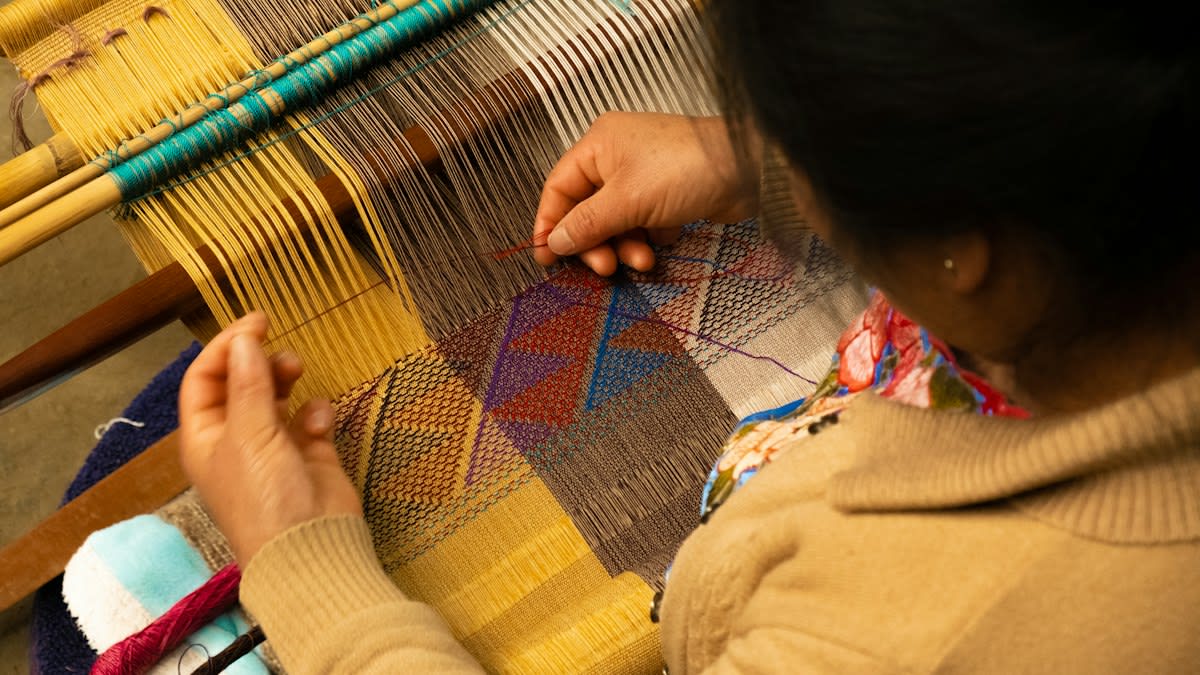
"The current international IP regime does not protect traditional knowledge because it was never designed to. It was designed to protect the individual innovator, not the collective guardian."— Francis Deng, Senior Legal Consultant at WIPO
Money changes things. In the last twelve months, a hard turn toward quantification has replaced the old plea for 'respect' (Source: Global IP Review, 2024). Indigenous groups in Kenya, specifically the Maasai, now pursue legal action against luxury brands that use their cultural markers without a Benefit Sharing Agreement (BSA). They no longer seek apologies. They seek royalties.
The Digital Weight of Tradition
Data is power. India's Traditional Knowledge Digital Library (TKDL) serves as a defensive wall, documenting millions of formulations to prevent 'bio-piracy' by foreign patent offices (Source: CSIR India, 2023). This is a strategic move. By translating oral knowledge into a machine-readable format, India forces patent examiners to acknowledge 'prior art' before granting a corporate monopoly. It turns the colonizer's tools against them.
The delta is clear. Twelve months ago, the debate centered on physical biological samples, but today, the fray has shifted to Digital Sequence Information (DSI) (Source: Convention on Biological Diversity, 2024). DSI allows companies to synthesize active ingredients from a genetic code without ever touching a physical leaf or root. This removes the need for physical access, rendering old access and benefit-sharing laws obsolete. The theft has gone virtual.
| Feature | Western IP Default | Indigenous IP Model |
|---|---|---|
| Ownership | Individual/Corporate | Collective/Ancestral |
| Duration | Limited (e.g., 70 years) | Perpetual |
| Requirement | Novelty/Fixation | Continuity/Custodianship |
| Goal | Commercial Monopoly | Cultural Integrity & Benefit |
Valuation is difficult. How does a community price a seed that has sustained them for ten millennia? Experts now use a mixture of market-comparative analysis and 'existence value' to set prices in BSAs (Source: IUCN, 2023). This process requires a new kind of accountant. One who understands both the balance sheet and the sacred.
The Internal Fray
Lawyers fight elders. In the boardrooms of Indigenous councils, a fierce dispute rages over the act of documentation itself. Elders argue that recording sacred knowledge in a digital registry—even for protection—betrays the tradition of secrecy and exposes the spirit of the knowledge to a profane world. Young lawyers counter that invisibility is just another word for vulnerability. They argue that if the knowledge is not 'on the ledger,' it does not exist in the eyes of the court.
This is mechanical failure. The legal requirement for 'disclosure' contradicts the cultural requirement for 'secrecy.' When a community in the Amazon registers a medicinal plant to stop a pharmaceutical giant, they effectively publish the secret to the world (Source: Amazon Watch, 2023). They win the legal battle but lose the cultural monopoly. This tension defines the current terrain of Indigenous IP.

Scaling the Value
Brazil leads here. The Brazilian government has implemented strict regulations on the access of genetic heritage, requiring a percentage of net profits to flow back into a national fund for Indigenous development (Source: Brazilian Ministry of Environment, 2023). This is a scalable model. It treats biological data not as a discovery, but as a leased asset. The state acts as the broker, ensuring the weight of the payment matches the weight of the knowledge.
The trend accelerates. We see a rise in 'Cultural Intellectual Property' (CIP) labels, similar to Fair Trade or Organic certifications, which verify that a product pays its originators (Source: WIPO, 2024). These labels create market pressure. Consumers now demand to know if the 'tribal print' on their shirt funded a school in the Andes or a yacht in Monaco. The market is finally pricing in the cost of ethics.
Staying power depends on enforcement. Without a global treaty that recognizes collective ownership, these victories remain fragmented and local. The current movement seeks a legally binding instrument under the WIPO Intergovernmental Committee (Source: IGC, 2023). If successful, this would turn Indigenous IP from a series of lawsuits into a global standard. The era of free extraction is ending.
Fact-Check & Accuracy Note
Verifiable data in this report stems from the World Intellectual Property Organization (WIPO) 2023-2024 reports on Traditional Knowledge and the UNCTAD 2022 analysis of the Bio-economy. The debate regarding Digital Sequence Information (DSI) is currently a primary point of contention in the COP15 and COP16 biodiversity negotiations, where the 'multilateral mechanism' for benefit-sharing is being contested by high-income nations and the Global South.
Editorial Note
This report avoids the alarmist narrative of 'cultural extinction' and instead focuses on the economic agency of Indigenous peoples. The transition from defensive protection to active quantification represents a shift in power dynamics, treating cultural heritage as a strategic economic asset rather than a relic to be preserved.