Senior citizen couple ‘denied booked room’ at night, Kolkata hotel told to pay Rs 25,000
Source Entity
Ashish Shaji
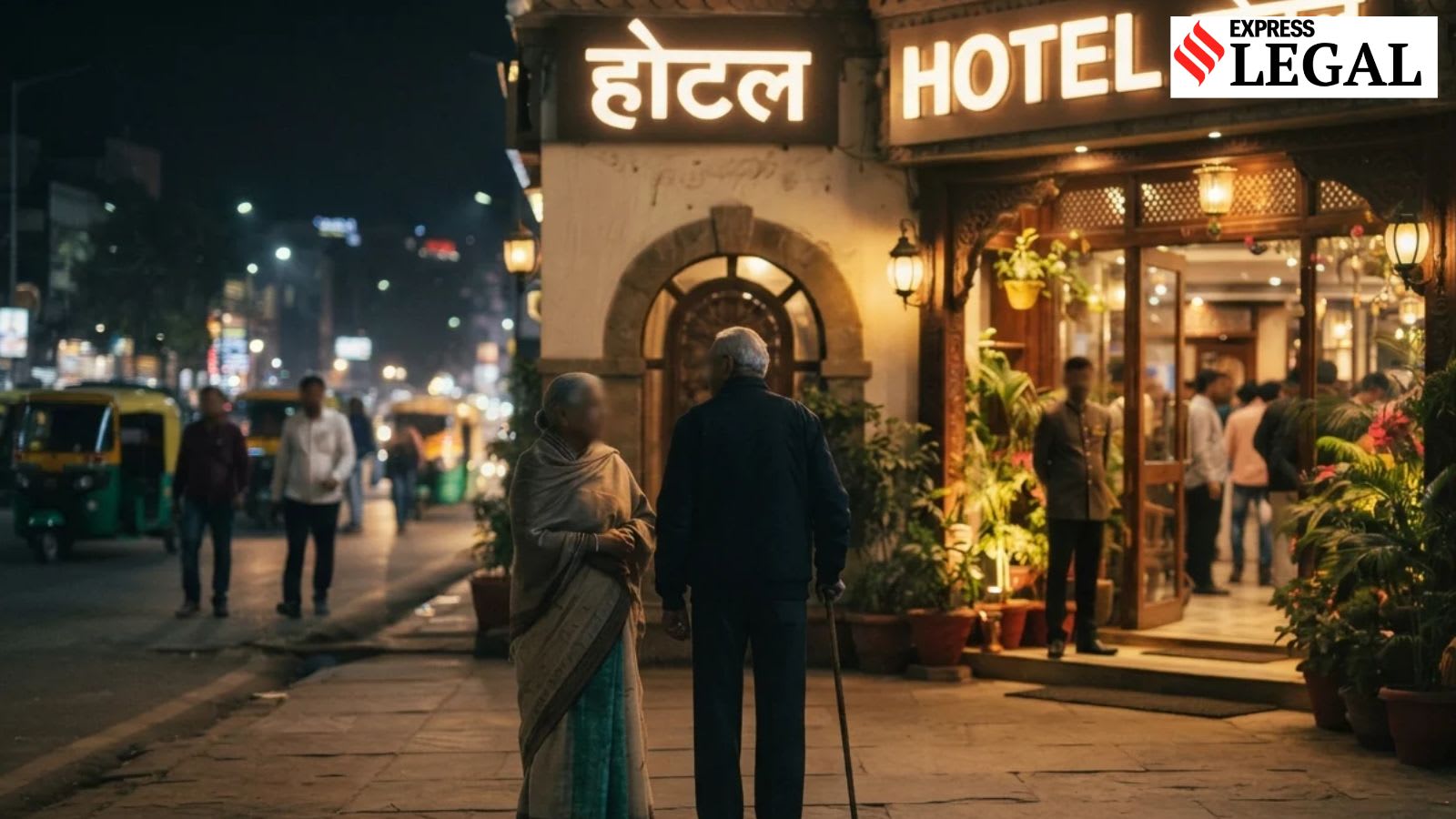
A Kolkata hotel was ordered to pay Rs 25,000 in compensation after denying a booked room to a senior citizen couple late at night. The district consumer commission ruled the hotel's actions caused undue hardship and mental agony.
Consumer Justice Served: Kolkata Hotel Penalized for Denying Booked Accommodation
In a significant ruling, a district consumer commission in Jharkhand has held a Kolkata-based hotel accountable for failing to honor a pre-existing booking. The case involved an elderly couple who arrived at the establishment between 9:00 pm and 10:00 pm, only to be turned away despite having secured their stay in advance. This breach of contract forced the vulnerable couple to navigate the city late at night in search of alternative lodging, a situation that the commission rightly identified as a source of significant distress.
The Commission's Verdict
President Sunil Kumar Singh, alongside members Rajiv Kumar and Deoshree Choudhary, presided over the complaint. The commission’s decision to award Rs 20,000 in compensation, alongside a full refund of Rs 5,670, underscores the legal expectation that service providers must uphold their commitments. The ruling serves as a stern reminder that businesses cannot unilaterally cancel or ignore confirmed bookings without facing financial and legal repercussions under consumer protection laws.
Impact on Senior Citizens
The vulnerability of senior citizens in travel scenarios cannot be overstated. When a hotel denies a confirmed room, it is not merely a logistical inconvenience; it is a profound safety and health risk. By forcing an elderly couple to find shelter at such a late hour, the hotel failed in its duty of care. The commission’s focus on the 'considerable hardship' faced by the complainants highlights the judiciary's commitment to protecting the rights of individuals who may not have the physical or emotional bandwidth to resolve such crises in unfamiliar environments.
Broader Implications for the Hospitality Sector
This incident sheds light on a recurring issue within the hospitality industry: the overbooking of rooms and the subsequent lack of accountability when things go wrong. Hotels often rely on the assumption that customers will simply accept a refund or leave without complaint. However, this ruling sets a precedent that the 'cost' of a booking failure extends far beyond the room rate. It includes the mental agony and the tangible risks posed to guests during travel.
Future Trends in Consumer Protection
As digital travel platforms continue to dominate the market, the disconnect between online bookings and physical hotel management often leads to such disputes. This case acts as a deterrent, encouraging hotels to maintain better inventory management and communication standards. Moving forward, we can expect consumer commissions to continue taking a pro-consumer stance, ensuring that the convenience of modern booking systems is matched by the reliability of the service providers involved.
Conclusion
The resolution of this case is a victory for consumer rights in India. By mandating compensation for the inconvenience caused, the commission has affirmed that service providers must prioritize their contractual obligations. It sends a clear message to the hospitality sector that the welfare of guests, particularly the elderly, must remain a primary concern, and that negligence in providing promised services will be met with firm judicial intervention.