‘People not going to change mindset’: Bombay HC weighs complete firecracker ban
Source Entity
Omkar Gokhale
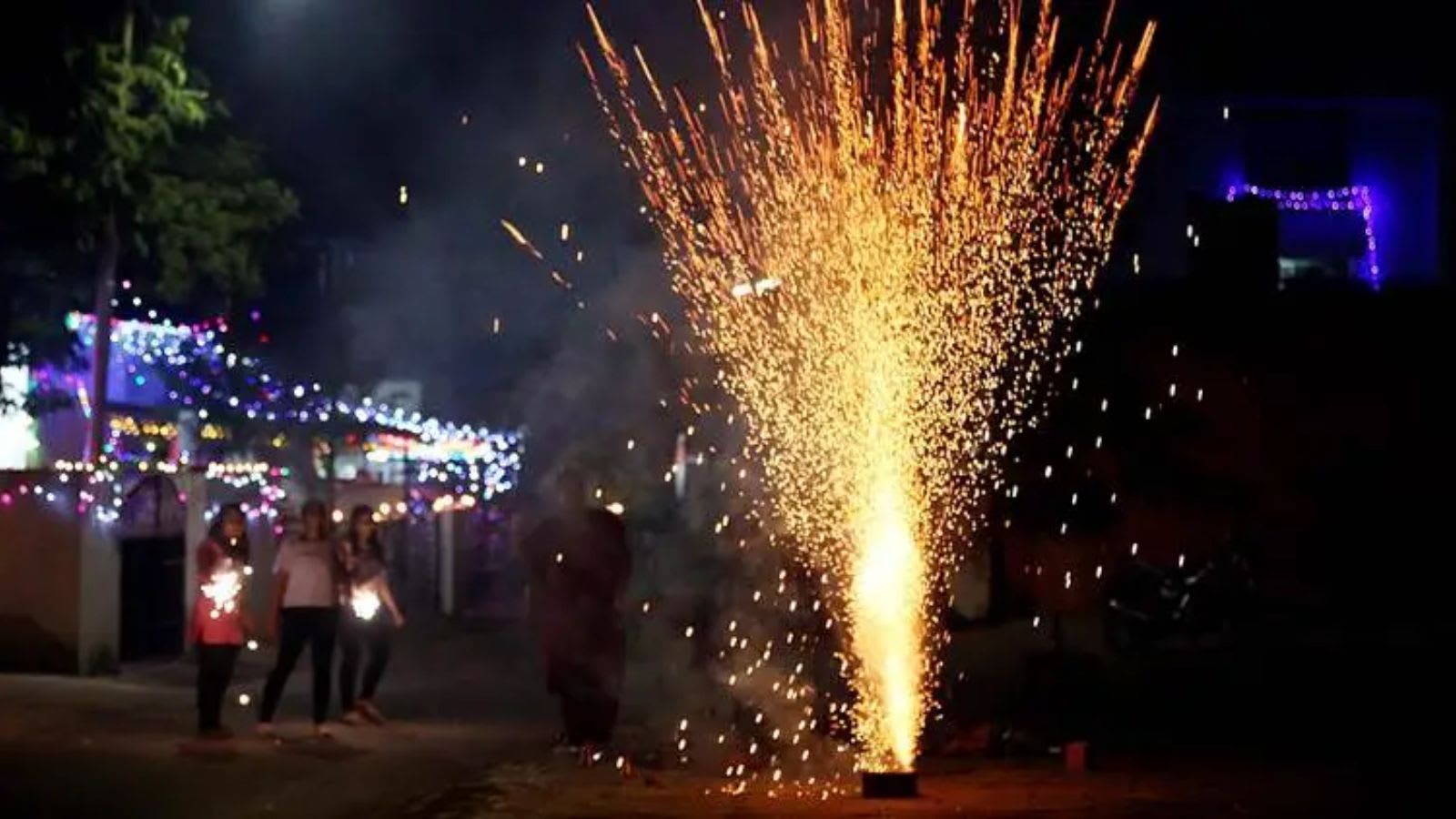
The Bombay High Court is considering a total ban on private firecracker use due to hazardous air quality levels and public non-compliance. The court is reviewing a potential transition to regulated community firework displays to curb pollution and noise.
The Bombay High Court’s Stance on Air Quality
The Bombay High Court, led by a bench comprising Justices Girish S. Kulkarni and Neela K. Gokhale, has signaled a potential paradigm shift in how Mumbai manages festive celebrations. Expressing profound dissatisfaction with the recurring air quality crisis during Diwali, the judiciary has scrutinized the "insensitivity" of individuals who continue to burst firecrackers well beyond permissible time limits and regulatory frameworks. This judicial intervention follows a series of hearings involving the state government, civic authorities, and various stakeholders, including firecracker dealers and environmental activists.
The Environmental Catalyst: A Crisis of Air Quality
The urgency of this deliberation is underscored by alarming data, with the Air Quality Index (AQI) in Mumbai hitting levels near 400. Such figures fall into the 'severe' category, posing immediate risks to public health, particularly for vulnerable populations such as children and the elderly. The court’s focus on these metrics highlights a move toward prioritizing environmental public health over traditional practices, suggesting that the current regulatory mechanisms—which have largely failed to curb the pollution spike—are insufficient to manage the city's growing environmental burden.
Toward a Model of Community Displays
A central component of the court's consideration is the potential implementation of a complete ban on private firecracker usage, modeled after international practices where fireworks are restricted to managed, large-scale community displays. By shifting from individual consumption to controlled, professional events on designated grounds, the court aims to mitigate both the hazardous particulate matter dispersed across the city and the persistent issue of noise pollution on public streets.
The Challenge of Enforcement and Mindset
The bench’s observation that "people are not going to change their mindset" reflects a deeper skepticism regarding voluntary compliance with existing noise and pollution norms. This skepticism is the driving force behind the "drastic order" under consideration. The court recognizes that without a total prohibition, the incremental rules currently in place are easily bypassed, leading to the annual cycle of air degradation that has become synonymous with the post-Diwali period in major Indian metropolises.
Broader Implications and Future Trends
If implemented, this order would represent a significant departure from established cultural norms, signaling a new era where environmental rights take precedence over traditional habits. This legal trajectory suggests that future festive seasons in Mumbai—and potentially other Indian cities—may be defined by strictly regulated, centralized displays. As urban centers continue to grapple with record-breaking pollution levels, the judiciary's role in enforcing environmental compliance is likely to become more assertive, forcing a permanent shift in how urban populations celebrate major festivals.
Multiple Citing Sources