Putin rejects talk of war with Europe as ‘nonsense’, calls for end to ‘political diarrhea’
Source Entity
PRIYANKA JAISWAL
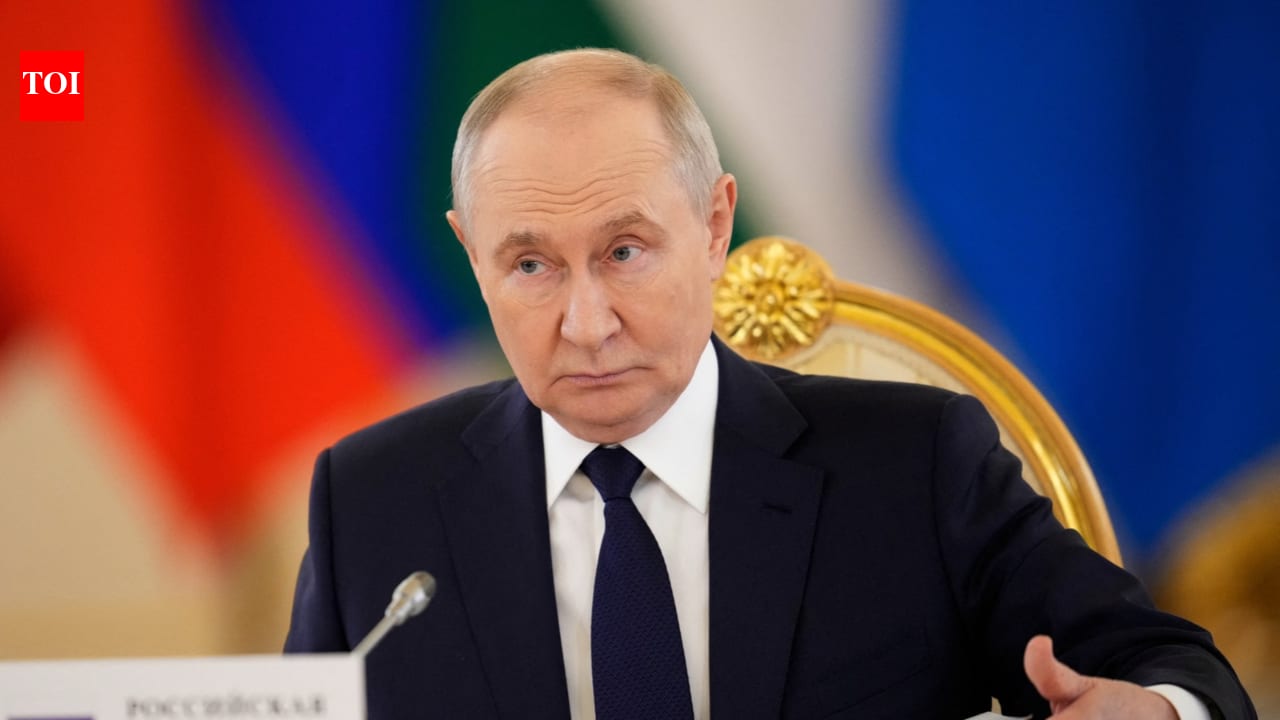
Russian President Vladimir Putin has officially dismissed allegations that Russia is responsible for deteriorating relations with Europe. He characterized suggestions of a potential war with Europe as 'nonsense' and criticized the current political discourse.
Examining Putin's Stance on Russia-Europe Relations
Russian President Vladimir Putin has formally rejected allegations that Moscow bears the responsibility for the ongoing deterioration of diplomatic and political relations with European nations. During his recent remarks, Putin characterized the narrative of an impending Russian military threat to Europe as "nonsense," seeking to reframe the current geopolitical tension as a misunderstanding or a deliberate misrepresentation by Western powers. This declaration serves as a significant rhetorical pivot in the ongoing dialogue between the Kremlin and the European Union.
Analyzing the 'Political Diarrhea' Rhetoric
Beyond merely dismissing the threats of war, Putin utilized strong language to describe the current state of international discourse, referring to it as "political diarrhea." This colloquial and blunt terminology suggests a deep frustration within the Russian administration regarding the consistency and nature of accusations leveled against them. By employing this rhetoric, Putin aims to delegitimize the critiques originating from European leaders, signaling that he views the current diplomatic friction as a product of disorganized or malicious political posturing rather than genuine security concerns.
The Context of European Deterioration
To understand the gravity of these statements, one must look at the broader context of Russia-Europe relations. For years, the dialogue has been strained by sanctions, energy dependencies, and conflicting regional interests. Putin’s latest rejection of responsibility is a strategic attempt to shift the burden of proof back onto European governments. By labeling the potential for conflict as "nonsense," he is effectively attempting to normalize the status quo and discourage the escalation of rhetoric regarding Russia's regional intentions.
Historical and Geopolitical Implications
Historically, the relationship between Russia and its European neighbors has been defined by cycles of cooperation and intense suspicion. The current period is arguably one of the lowest points in this historical arc. Putin’s insistence that Russia is not the aggressor in this diplomatic decline implies a view that European countries have taken an unnecessarily adversarial stance. This perspective ignores the security concerns raised by European capitals, instead focusing on the narrative that Russia is being unfairly scapegoated for broader structural failures in European policy.
Future Trends and Diplomatic Hurdles
Looking forward, this rhetoric indicates that a thaw in relations is unlikely in the immediate future. If the Kremlin continues to categorize legitimate European security concerns as "nonsense," the diplomatic space for negotiation remains severely limited. The reliance on such aggressive language suggests that Russia is bracing for a prolonged period of diplomatic isolation or is attempting to appeal to domestic audiences who may view European criticism as an external attack on Russian sovereignty.
Conclusion
Ultimately, Putin's latest comments represent a hardening of Russia’s diplomatic position. By framing the deterioration of relations as a fabrication rather than a consequence of policy, he closes the door on traditional diplomatic reconciliation. As both sides remain entrenched in their respective narratives, the prospect for de-escalation appears increasingly distant, setting the stage for continued volatility in the European security architecture.