Bangladesh PM Blames Sheikh Hasina's Party For Fresh Violence
Source Entity
NDTV News Search Records Found 1000
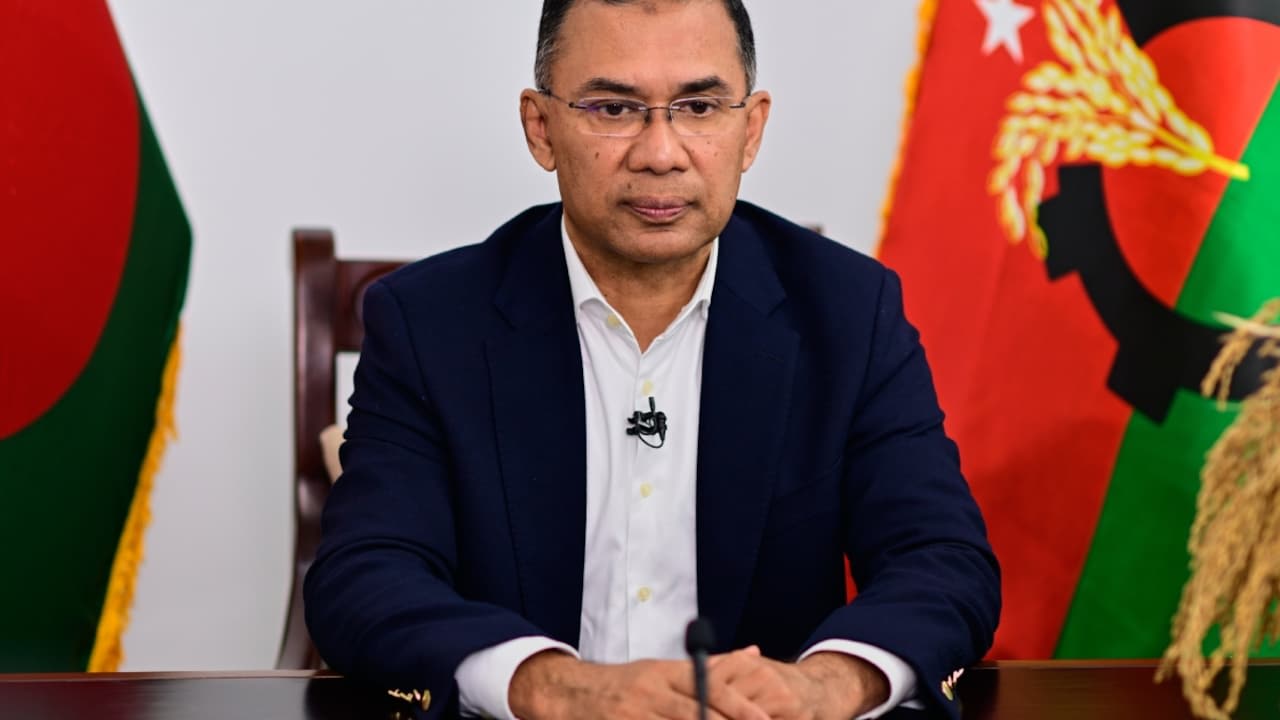
Bangladesh Prime Minister Tarique Rahman has accused the Awami League of inciting recent nationwide unrest. India has declined to comment on these allegations, maintaining a neutral stance on Bangladesh's internal political situation.
The Resurgence of Political Instability in Bangladesh
The political landscape of Bangladesh has entered a volatile phase following recent accusations by Prime Minister Tarique Rahman, who has openly blamed supporters of the Awami League for orchestrating fresh waves of unrest across the nation. This development marks a significant escalation in the ongoing power struggle between the current administration and the party of former Prime Minister Sheikh Hasina, which has historically dominated Bangladeshi politics for over a decade.
The Mechanics of the Unrest
On Thursday, the situation intensified as members associated with the Awami League attempted to paralyze the country by forcing businesses to close and halting public transport. This move was the culmination of a week-long protest campaign organized to challenge the government’s refusal to recognize the legitimacy of the former regime’s influence. The use of nationwide shutdowns as a political tool reflects a deepening divide and a return to confrontational street politics that have long hindered the nation’s economic stability.
Geopolitical Tensions and the 'Masters Across the Border'
Adding a layer of international complexity to the internal crisis, Tarique Rahman alleged that these protests were being directed by 'masters across the border.' This rhetoric is a thinly veiled critique of India’s perceived historical support for the Awami League. Such accusations are highly sensitive, as they touch upon the delicate diplomatic relationship between Dhaka and New Delhi, which has often been defined by the interplay between Bangladeshi domestic politics and regional security concerns.
India’s Diplomatic Stance
In response to these provocative claims, India has opted for a policy of strategic silence. During a press briefing, external affairs ministry spokesperson Randhir Jaiswal explicitly refused to comment on the internal developments of Bangladesh. By reiterating a desire for positive and constructive ties, India is clearly attempting to avoid becoming a scapegoat in the internal narrative of the current Bangladeshi government while simultaneously distancing itself from the fallout of the Awami League's recent maneuvers.
Broader Implications and Future Outlook
The current standoff suggests that the transition of power in Bangladesh remains fraught with instability. If the Awami League continues to utilize disruptive tactics and the government continues to frame these actions as foreign-backed subversion, the risk of further civil unrest is high. The international community, particularly regional powers, will likely continue to monitor the situation closely, waiting to see if the current administration can consolidate authority without resorting to measures that further polarize the electorate. The path forward for Bangladesh remains uncertain as it balances the need for domestic order with the pressures of its complex political history.
Verification Required?