Yadadri Thermal Power Plant: The toxic cost of power
Source Entity
India Latest News: Top National Headlines Today & Breaking News | The Hindu
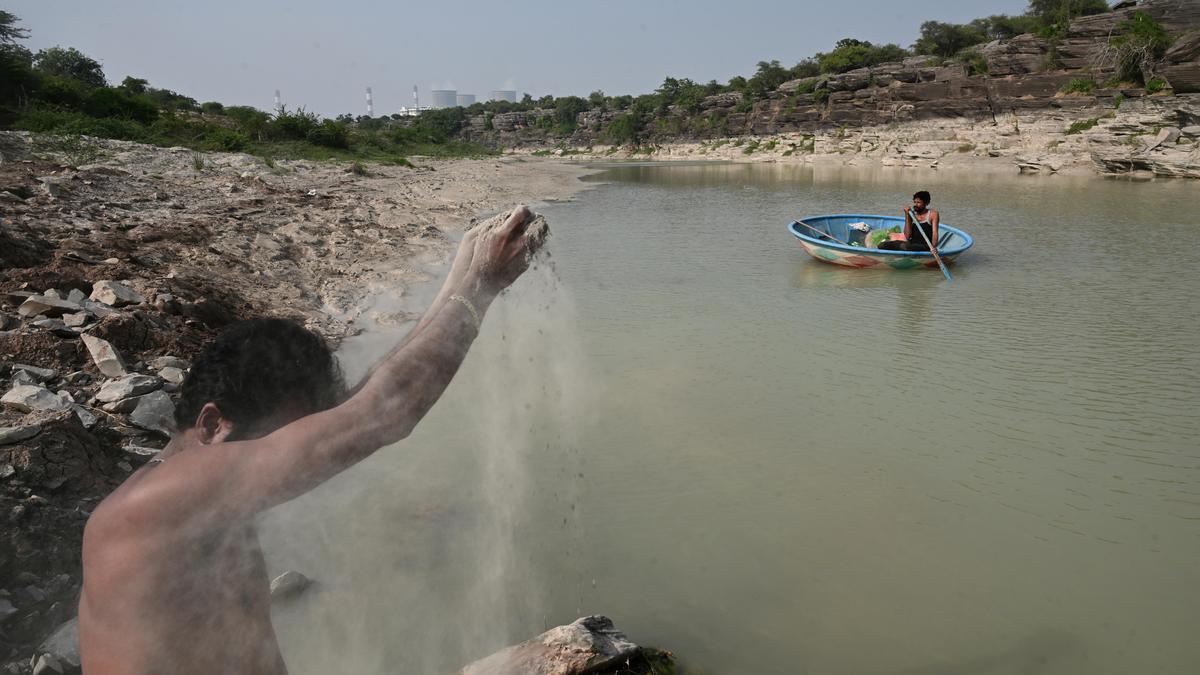
The 4,000-MW Yadadri Thermal Power Station in Telangana is facing scrutiny for severe environmental contamination. Fly ash emissions are polluting local streams and the Krishna River, threatening public health and regional agricultural livelihoods.
The Environmental Toll of the Yadadri Thermal Power Plant
Industrial Expansion vs. Ecological Integrity
The 4,000-MW Yadadri Thermal Power Station (YTPS) in Telangana represents a significant pillar of the region's energy infrastructure. However, less than two years into its operations, the facility has become the focal point of a burgeoning environmental crisis. The plant, designed to bolster Telangana’s power capacity, is now being scrutinized for the discharge of fly ash—a byproduct of coal combustion—into local water bodies. This situation highlights the recurring tension between the urgent need for industrial development and the imperative to protect vital natural resources.
The Silent Contamination of Local Streams
In Veerlapalem village, located in the Nalgonda district, the impact of the plant is visceral. Residents describe a landscape blanketed in fine particulate matter, with ash coating vegetation and infrastructure. More alarmingly, the stream known as Thungap is now choked with settled ash layers, transforming its ecosystem. This contamination is not merely localized; the stream eventually feeds into the Krishna river, raising concerns about the potential for widespread ecological degradation across the river system. The deceptive stillness of the water hides a toxic reality that is fundamentally altering the region's hydrology.
Livelihoods at Risk
The economic fallout for local communities is severe. Farmers like V. Nageshwar Rao, who rely on the stream for oil palm cultivation, are witnessing the degradation of their primary irrigation source. Beyond agriculture, fishing communities and livestock owners are facing an existential threat as the water quality deteriorates. The introduction of industrial waste into the agricultural chain not only jeopardizes immediate harvests but also creates long-term soil health issues that may take decades to remediate, effectively threatening the economic stability of Nalgonda’s rural workforce.
Public Health Implications
Beyond the environmental and economic damage, the human cost is significant. The fine particles released by the plant are not just settling on the ground; they are becoming airborne, leading to widespread respiratory issues and irritation among the local population. The presence of fly ash in the water supply and air suggests a potential for bioaccumulation of heavy metals, which could lead to chronic health crises. The lack of stringent containment measures appears to be a major oversight in the plant's operational management.
Broader Implications and Future Trends
The situation at Yadadri serves as a cautionary tale for similar large-scale thermal projects in India. As the nation pushes to meet its growing energy demands, the regulatory oversight of waste disposal and emission standards becomes paramount. Future trends suggest that unless there is a shift toward more sustainable waste management practices—such as advanced fly ash pond liners and dust suppression technology—the social license to operate for such plants will continue to erode. The case of the Yadadri plant underscores the necessity for transparent environmental audits and the implementation of rigorous mitigation strategies to ensure that the pursuit of progress does not come at the cost of the environment.
Verification Required?