Delhi Lt Governor Calls For Joint NCR Push On Traffic, Housing
Source Entity
NDTV News Search Records Found 1000
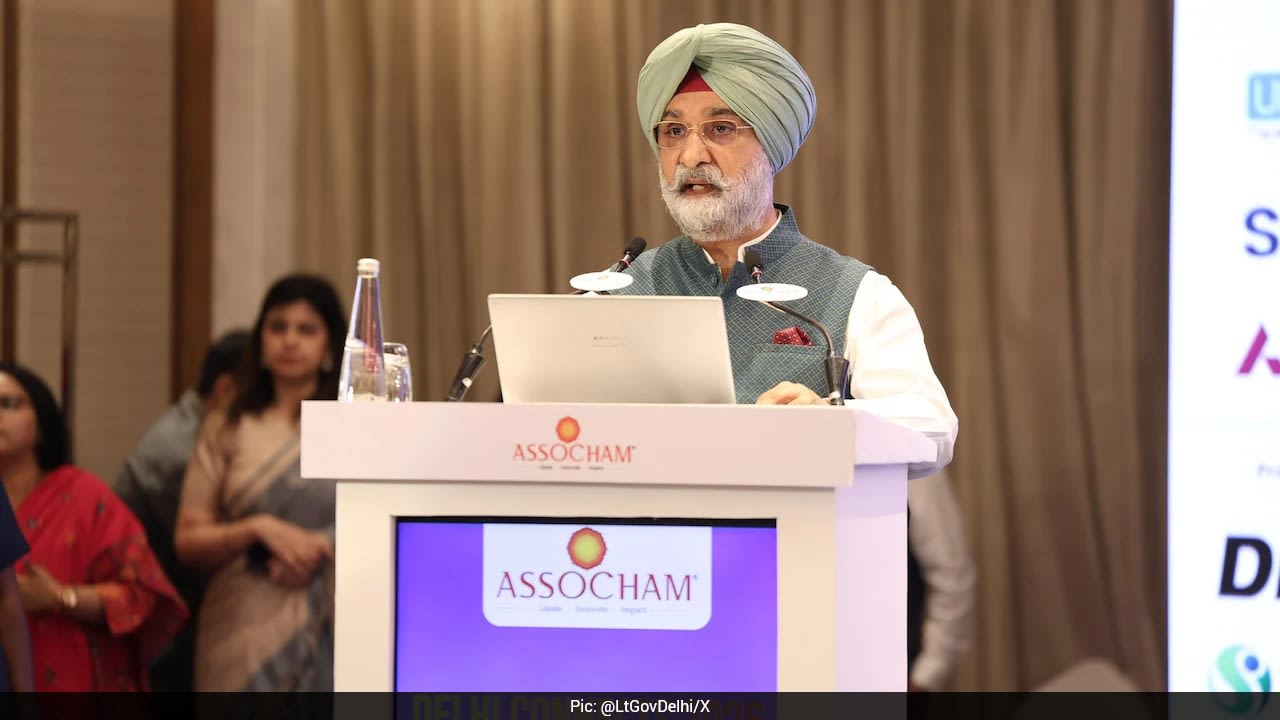
Delhi Lt Governor Taranjit Sandhu has advocated for a unified approach to traffic and housing challenges across the National Capital Region. Speaking at the 'Delhi Connects 2026' conference, he emphasized the need for cross-border cooperation to improve urban infrastructure.
Addressing the Urban Crisis in the National Capital Region
At the recent 'Delhi Connects 2026' conference hosted by ASSOCHAM, Delhi Lt Governor Taranjit Sandhu issued a decisive call for a synchronized, joint effort to tackle the region's most pressing infrastructure challenges. By specifically identifying traffic congestion and housing shortages as primary areas for regional intervention, the Lt Governor has underscored the limitations of viewing Delhi's development in isolation from its surrounding satellite cities.
The Necessity of a Unified NCR Framework
The National Capital Region (NCR) functions as a single, highly integrated economic engine, yet it is often governed through fragmented administrative silos. Sandhu’s proposal for a 'joint push' suggests a shift toward a more cohesive governance model that transcends state borders. Without such coordination, the current trajectory of rapid urbanization risks outpacing the existing infrastructure, leading to the systemic bottlenecks that currently plague commuters and residents alike.
Tackling the Housing and Connectivity Gap
Traffic congestion in the NCR is largely a byproduct of the massive daily migration between Delhi and its periphery. When housing supply does not align with job growth, the burden falls on the transportation network. By linking housing policy with traffic management, the Lt Governor is identifying the root cause of the current gridlock. A strategic, cross-border housing policy could potentially decentralize the population density, thereby reducing the extreme pressure on Delhi’s arterial roads.
Economic Implications of Infrastructure Integration
ASSOCHAM’s 'Delhi Connects 2026' platform serves as a critical bridge between policy makers and industry stakeholders. The push for better infrastructure is not merely a matter of urban planning; it is an economic imperative. Improved connectivity and affordable housing options directly correlate with increased productivity and a more robust business environment, which are essential for maintaining the NCR's status as a top-tier global economic hub.
Future Outlook and Policy Implementation
While the call for cooperation is clear, the success of this initiative will depend on the implementation of inter-state institutional mechanisms. Moving forward, the focus must shift from theoretical planning to actionable, multi-state policy frameworks. If the NCR can successfully align its planning authorities, it could set a new benchmark for regional governance in India, effectively managing the complexities of a booming metropolitan population while enhancing the quality of life for millions.
Verification Required?