Virginia widow gets half of lakeside home; stepchildren inherit other half
Source Entity
TOI WORLD DESK
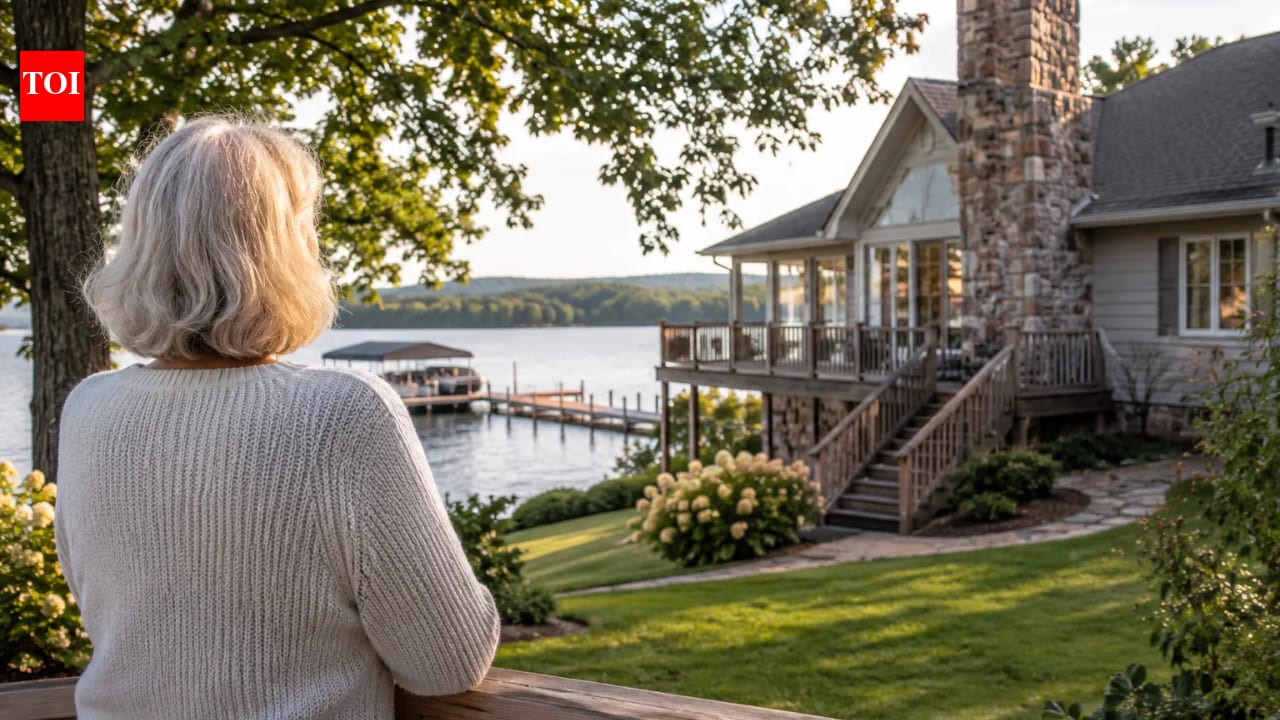
A Virginia court has ruled that a widow and her stepchildren will split ownership of a lakeside home 50/50. This decision resolves a long-standing legal dispute and provides a framework for future property partition.
Legal Resolution in Virginia Property Dispute
A recent judicial ruling in Virginia has brought a long-standing property dispute to a close, establishing a clear ownership structure for a contested lakeside residence. The case involved a widow and her late husband’s children from a previous marriage, who had been locked in litigation regarding the estate's distribution. By awarding a fifty percent ownership stake to the widow and the remaining half to the stepchildren, the court has successfully balanced the competing interests of the parties involved.
Contextualizing the Legal Struggle
The conflict originated from the specific terms regarding the residence left by the deceased husband. While the original estate plan granted the widow a life interest—specifically the right to reside in the home—the stepchildren challenged the broader implications of ownership. Such disputes are common in complex estate planning scenarios, particularly when blended families are involved, as the intersection of testamentary intent and statutory inheritance rights often creates significant ambiguity that requires court intervention.
The Impact of the Reversal
This latest ruling is particularly significant because it reverses a prior decision that had left the status of the property in limbo. By providing a definitive split, the court has effectively settled the question of title, which is the foundational element required for any subsequent legal action. The decision serves as a reminder of how crucial precise language is in estate documents to prevent years of costly litigation and the emotional toll that such familial disputes inevitably exact.
Future Implications and Partition Proceedings
With the ownership shares now legally codified, the path is cleared for future partition proceedings. Partition is a legal mechanism that allows co-owners to divide or sell a property when they can no longer reach an agreement on its use or management. While the widow retains her current right to live in the home, the court's decision establishes a framework that allows the stepchildren to potentially seek a resolution regarding their own interest in the asset, whether through a buyout or a sale of the property.
Balancing Resident Rights and Inheritance
The court’s ruling demonstrates a careful attempt to respect the widow’s immediate housing stability while acknowledging the inheritance rights of the husband's biological children. This dual-interest approach is characteristic of equitable rulings in property law, where the goal is to prevent the displacement of a surviving spouse while ensuring that the deceased’s assets are ultimately distributed according to legal entitlements. This case serves as a poignant illustration of the complexities inherent in estate law, particularly when residential property becomes the primary point of contention between surviving heirs.