BJP cites Moily remark to claim Congress tried to 'frame' PM Modi
Source Entity
TNN
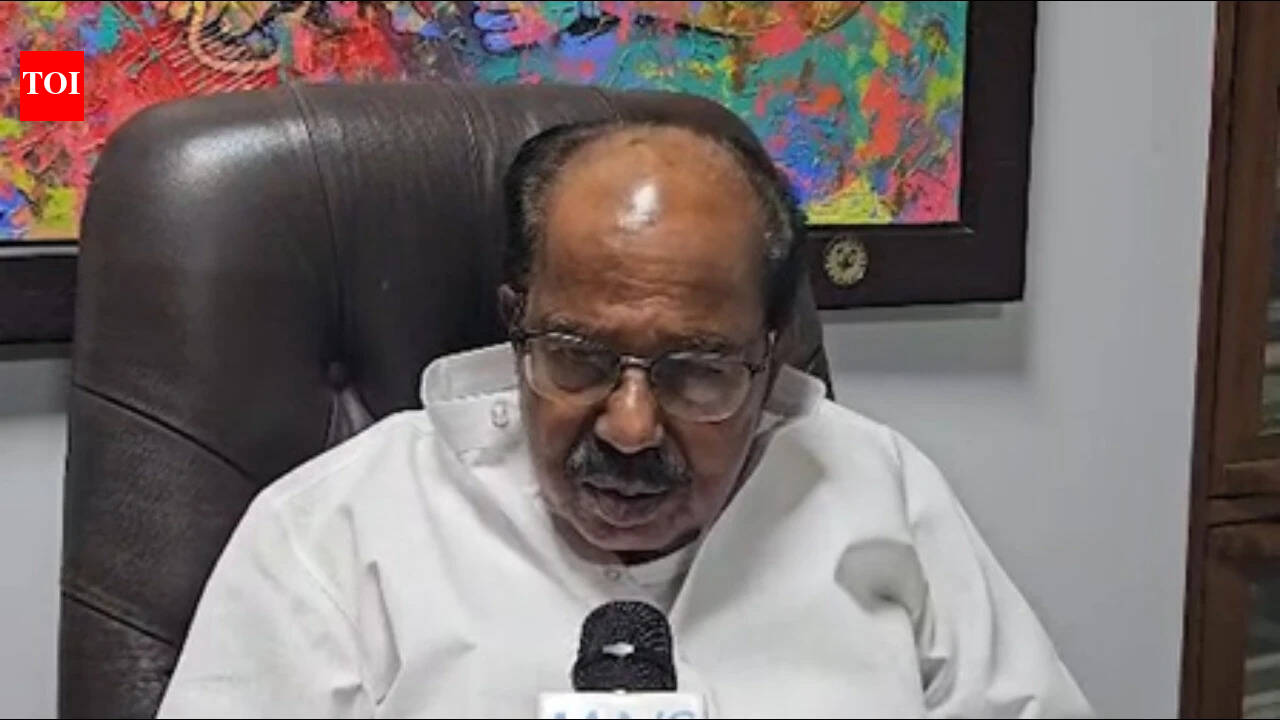
The BJP has accused the former UPA government of political vendetta following remarks by Veerappa Moily regarding investigations into Narendra Modi and Amit Shah. These comments have reignited debates over the alleged weaponization of investigative agencies during the previous administration.
The Politicization of Justice: Analyzing the Moily Controversy
An Admission of Political Vendetta?
The political landscape in India has been reignited by recent remarks made by former Union Minister Veerappa Moily. The Bharatiya Janata Party (BJP) has seized upon these comments to assert that the legal challenges faced by Prime Minister Narendra Modi and Union Home Minister Amit Shah during the tenure of the United Progressive Alliance (UPA) were the result of a calculated, politically motivated campaign. According to the BJP, these revelations provide long-sought validation for their claims that the previous administration misused state machinery to target political opponents.
The Sohrabuddin Sheikh Case Context
At the center of this controversy is the historical investigation into the Sohrabuddin Sheikh fake encounter case. During the UPA era, Amit Shah, then serving as the Home Minister of Gujarat, faced significant legal hurdles, including an order of externment from his home state and a period of incarceration. Mr. Moily’s recent comments in Bengaluru, which revisited these events, have been interpreted by the BJP as an explicit acknowledgment that the judicial and investigative processes were sidelined to facilitate a specific political agenda against the current leadership.
Institutional Integrity and Allegations of Interference
BJP MP Sudhanshu Trivedi has framed Moily’s statements as a 'direct admission' of institutional overreach. The core of the BJP's argument is that investigative agencies were allegedly manipulated to frame top-tier leadership under the guise of legal accountability. By citing these remarks, the BJP is attempting to shift the narrative from a discussion of past crimes to a critique of how government institutions were allegedly weaponized against the opposition during the UPA's decade in power.
Clarifying the Role of Leadership
Interestingly, the discourse surrounding Moily’s remarks also touches upon the internal dynamics of the Congress party. While Moily sought to clarify that former Prime Minister Manmohan Singh was not involved in the disruption of investigations into Narendra Modi, his attempt to isolate the blame suggests a complex internal struggle or perhaps an effort to protect the legacy of the former Prime Minister. This nuance has not deterred the BJP, which continues to demand a formal explanation from the Congress party regarding the broader systemic efforts to target their leadership.
Future Implications for Political Discourse
This episode underscores the persistent and often toxic cycle of 'political vendetta' accusations in Indian democracy. As the BJP continues to leverage these statements to reinforce their narrative of victimhood during the UPA years, the Congress party faces renewed pressure to account for the actions of its investigative agencies. This debate is likely to remain a cornerstone of parliamentary and public discourse, as both parties continue to scrutinize the historical conduct of their rivals to secure current electoral and moral advantages.
Conclusion
In summary, the controversy sparked by Veerappa Moily’s remarks serves as a potent reminder of the fragility of institutional neutrality in the face of intense political rivalry. Whether or not these comments constitute a definitive 'admission' of guilt by the Congress, they have successfully provided the BJP with a platform to re-litigate the past, ensuring that the legacy of the UPA's investigative history remains a volatile and potent issue in contemporary Indian politics.
Multiple Citing Sources