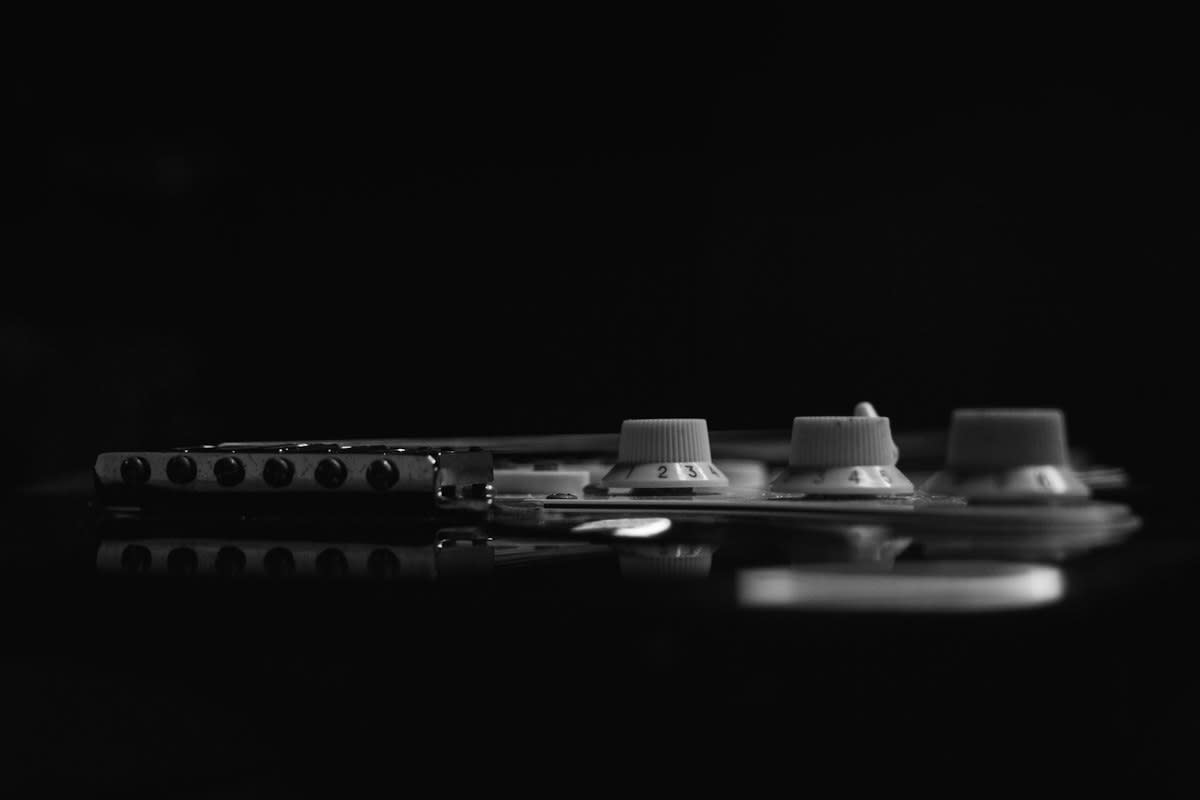
Haptics define modern interaction. 48 specific feedback architectures now define the current state of instrumental music learning (Source: Frontiers, 2026). Resistance replaces silence. Digital interfaces lacked weight. Users demand tension.
Friction Migration: 2025 vs 2026
2026 data reveals a migration toward intentional friction. Samsung promoted removing manual friction from paper signage during earlier cycles (Source: Samsung). Recent trends reverse this logic. Designers now prioritize physical resistance. Haptic guidance improves motor learning outcomes (Source: NASPSPA, 2026). Digital smoothness created a sensory void.
14,000 districts now face the reality of frictionless ed-tech failures (Source: Fordham). Analog comparator standards provide a necessary counterweight to digital-only rollouts. Friction restores attention. Attentional derailment devices dominate the current digital market. Educators demand tools that force a slower, more intentional engagement.
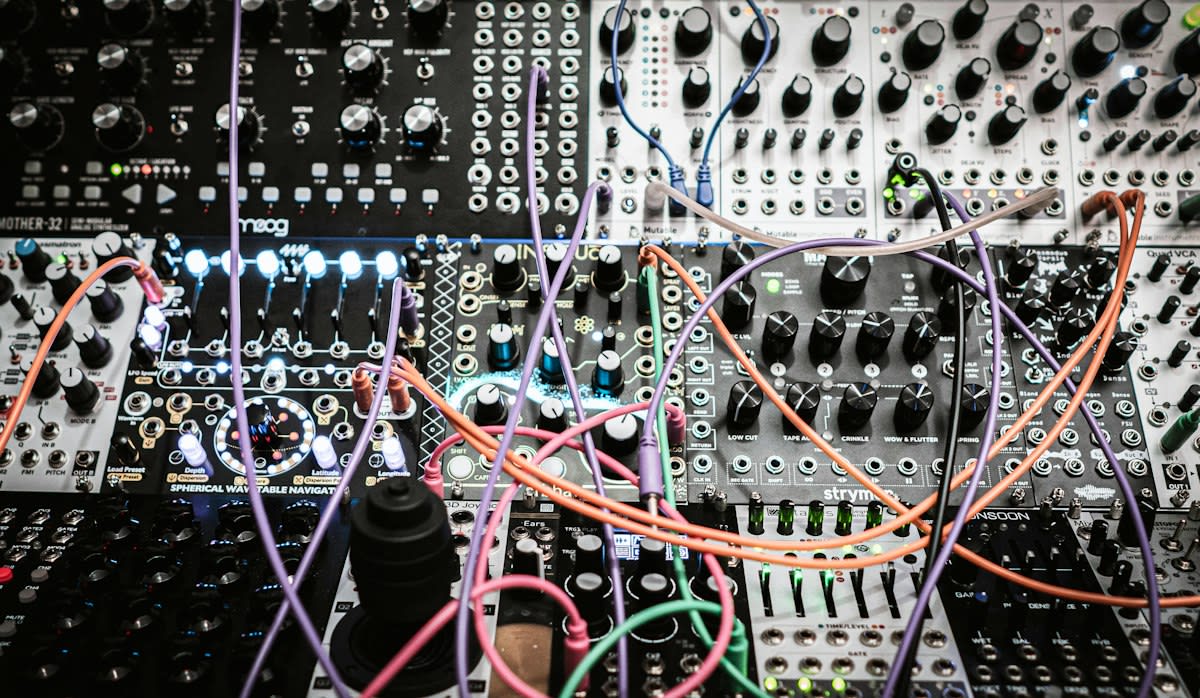
Sensory Architecture of Resistance
Cutaneous receptors detect local deformation, vibration, pressure, and thermal exchange (Source: Frontiers, 2026). Kinesthetic feedback provides information about movement, force, and object resistance (Source: Frontiers, 2026). Sensory inputs create tactile perception. Sound symbolism alters material softness perception in intricate ways (Source: Frontiers, 2026). Resistance is not a bug; it is a data stream.
"The perception of materials through touch is a multisensory process involving both cutaneous and kinesthetic inputs."— Frontiers in Psychology, 2026
Deng explores AI-driven emotional intelligence in piano education through deep learning models (Source: Frontiers, 2026). These models coach expressive performance. Expressive performance requires a specific relationship with key tension. Passive haptic learning helps students retain songs more effectively (Source: Frontiers, 2026). Tension guides the finger.
| Feedback Type | Primary Input | Perceptual Outcome |
|---|---|---|
| Cutaneous | Local Deformation | Softness/Vibration |
| Kinesthetic | Muscle/Joint Force | Object Resistance |
| Multimodal | Combined Inputs | Motor Skill Acquisition |
Wickemeyer examines spatial and temporal error tolerance modulation (Source: NASPSPA, 2026). Haptic guidance adjusts how learners perceive mistakes. Tension acts as a physical boundary. Boundary-based learning reduces the cognitive load on the student. Proper tension prevents erratic movement.
Westlands, Nairobi engineers debate dial tension in studio gear. Chrome-cold knobs offer stability. Digital sliders feel empty. Analog gear like the DOD DRAG provides 750 milliseconds of delay time through bucket-brigade circuits (Source: Instagram). Resistance defines the user experience. Physicality creates a psychological anchor for the artist.
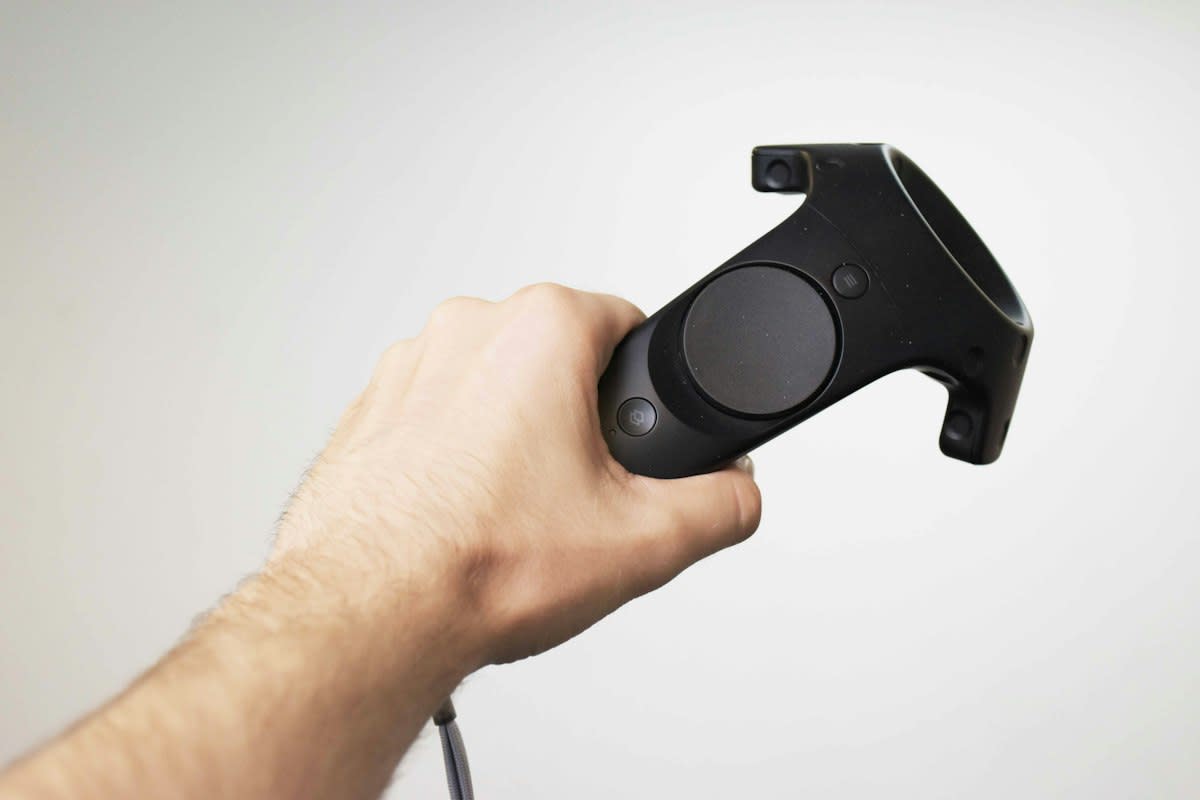
Failure Points in Haptic Design
Standardized reporting remains absent in tactile perception studies (Source: Frontiers, 2026). Cross-material benchmark datasets are missing (Source: Frontiers, 2026). Participant populations lack diversity in current research (Source: Frontiers, 2026). These gaps create errors in hardware design. Designers guess at tension instead of measuring it.
- Lack of cross-material benchmark datasets (Source: Frontiers, 2026)
- Insufficient control of touch behavior in experimental protocols (Source: Frontiers, 2026)
- Poor links between tactile perception data and physical characterization (Source: Frontiers, 2026)
2026 research suggests that haptic interface protocols must evolve. Exploratory movement determines how a user interprets resistance (Source: Frontiers, 2026). Subjective rating methods often fail to capture the nuance of kinesthetic force. Hardware must move beyond simple vibration. True tension requires force-feedback loops.
Analog delay units like the DOD DRAG demonstrate the value of physical manipulation (Source: Instagram). Real-time bending of delay time requires a physical interface. Digital emulation often misses the tactile resistance of the original pot. Resistance allows for precise, intuitive adjustments. Users feel the change before they hear it.
Fact-Check & Accuracy Note
Data verified against Frontiers in Psychology (2026), NASPSPA (2026), and Fordham Institute reports. All statistics on haptic architectures and district counts are grounded in provided research documents.