We can finally hear some of Wu-Tang Clan’s Once Upon A Time in Shaolin album
Source Entity
Jay Peters
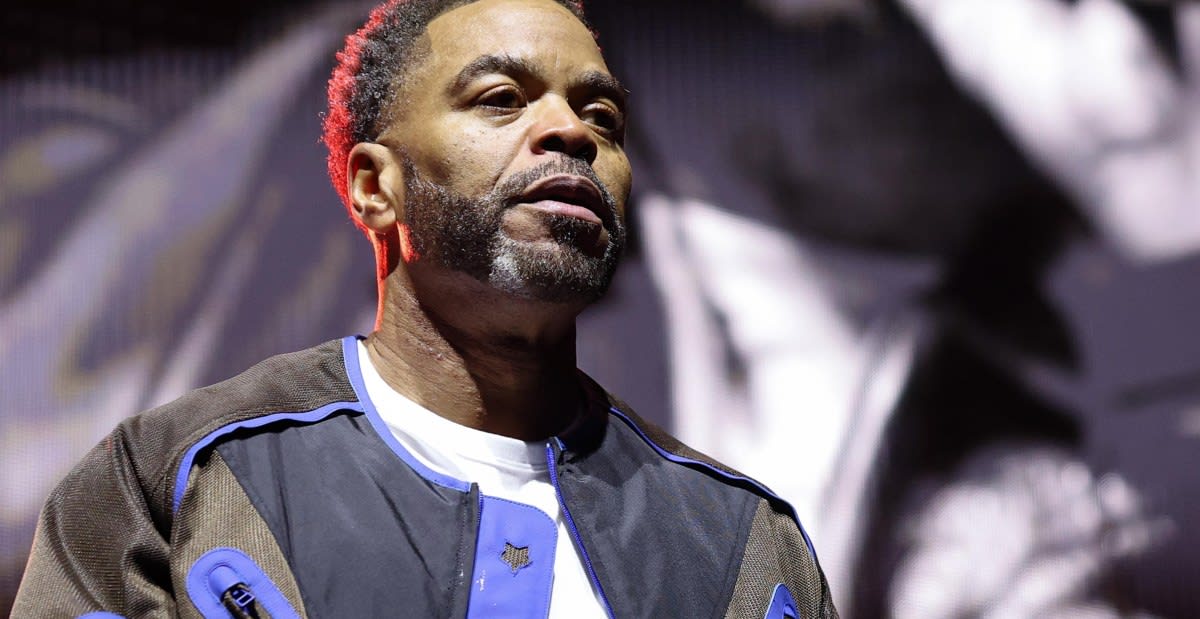
Two rare snippets of the Wu-Tang Clan's exclusive album, 'Once Upon A Time in Shaolin', have been released via the podcast 'Pablo Torre Finds Out'. The album remains under strict commercial restrictions until 2103 following a complex history of ownership.
The Unveiling of a Modern Myth
The Wu-Tang Clan’s Once Upon A Time in Shaolin has long occupied a unique space in music history, existing more as a conceptual art piece than a traditional studio album. For nearly a decade, the record was shrouded in total secrecy, inaccessible to the public due to its singular copy status and restrictive legal conditions. The recent revelation of two audio snippets on the Pablo Torre Finds Out podcast marks a significant moment in the album's timeline, offering fans the first genuine glimpse into a project that has become synonymous with the intersection of high-concept art and extreme scarcity.
A History Defined by Controversy
The narrative of Once Upon A Time in Shaolin is inseparable from the actions of Martin Shkreli, the disgraced pharmaceutical executive who purchased the sole physical copy for $2 million in 2015. Shkreli’s acquisition immediately transformed the album from a musical endeavor into a lightning rod for public discourse regarding wealth, accessibility, and the commodification of art. His subsequent legal troubles, which resulted in the forfeiture of the album to the U.S. government, added yet another layer of absurdity to an already unconventional story, turning the record into a seized asset of the federal justice system.
The Legal Constraints of Art
A pivotal detail in the album's history is the contractual restriction preventing any commercial release until the year 2103. This clause was designed by the producers to ensure the album remained a unique, non-commercial artifact, effectively treating it as a historical relic rather than a standard consumer product. The recent snippets shared by Pablo Torre Finds Out provide a rare breach in this wall of exclusivity, giving listeners a brief sensory experience of a project that is legally barred from reaching the mass market for generations to come.
Analyzing the Cultural Impact
By releasing these snippets, the podcast highlights the tension between the artist's desire for legacy and the public’s desire for access. The Wu-Tang Clan’s decision to limit distribution was intended to combat the devaluation of music in the streaming era, yet it inadvertently created a vacuum filled by speculation and notoriety. The snippets serve as a reminder that the album is not merely a legal curiosity but a tangible piece of hip-hop history that remains locked away from the culture that birthed it.
Future Trends in Music Ownership
The case of Once Upon A Time in Shaolin may serve as a harbinger for future experiments in music scarcity. As digital platforms continue to democratize access, artists may increasingly look toward limited-edition physical artifacts or blockchain-backed scarcity to create value. However, the logistical and legal complications associated with this specific album suggest that such extreme measures come with significant risks, including the potential for the work to be swallowed up by the legal system or private interests.
Conclusion
Ultimately, the ability to finally hear snippets of this elusive record provides a necessary update to a story that has been dominated by legal headlines rather than sound. While the album remains largely inaccessible, these few seconds of audio satisfy a long-standing curiosity and reinforce the status of Once Upon A Time in Shaolin as one of the most intriguing cultural artifacts of the 21st century. The path forward for the remaining tracks remains uncertain, tied to both the expiration of the 2103 mandate and the ever-shifting landscape of ownership rights.