Replit is no longer working with Anthropic, CEO says
Source Entity
Lucas Ropek, Kirsten Korosec
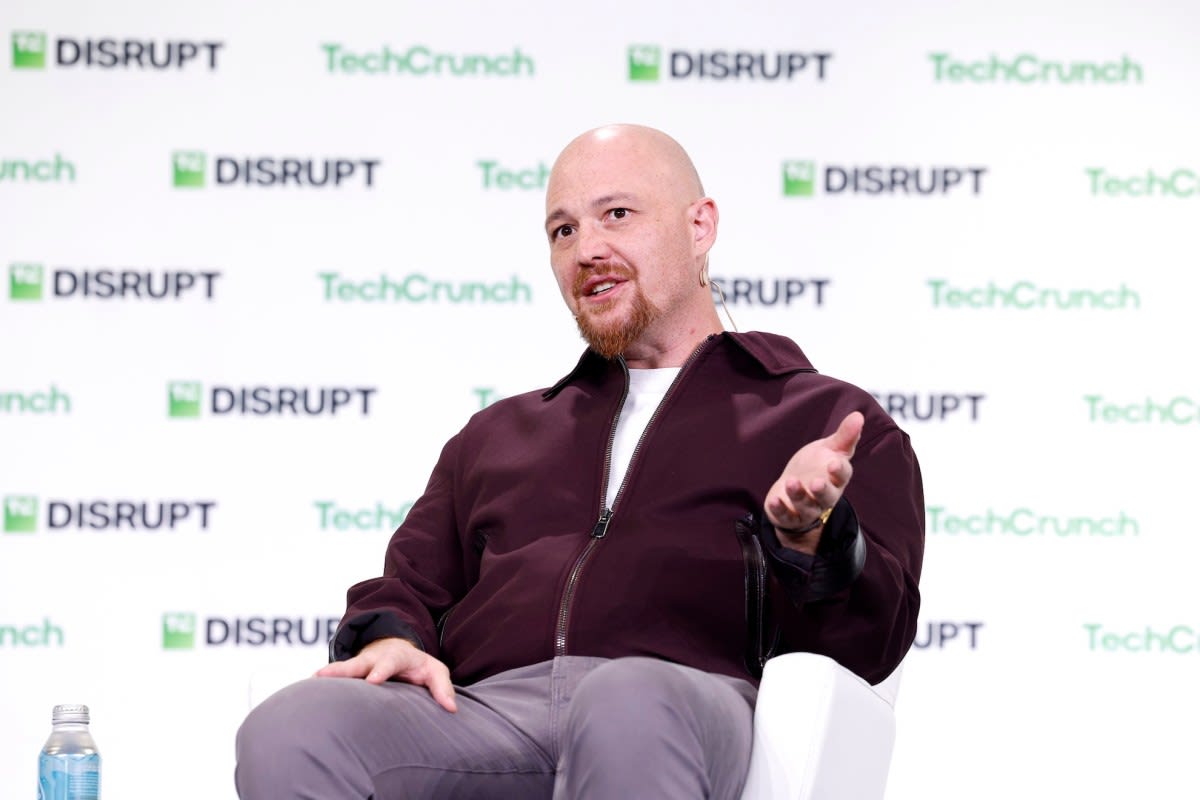
Replit CEO Amjad Masad has announced a shift away from Anthropic in favor of OpenAI, citing performance, cost, and benchmarking results. Additionally, Masad outlined a vision for 'self-driving companies' where AI agents automate routine tasks, allowing humans to focus on high-level decision-making.
The Evolution of AI-Driven Enterprise
At the recent TechCrunch Disrupt event in San Francisco, Replit CEO and co-founder Amjad Masad provided a compelling glimpse into the evolving landscape of software development and corporate operations. As the leader of a platform that has become a staple for startup founders and developers, Masad’s insights reflect a broader industry trend where AI is shifting from a novelty to a fundamental operational layer. His commentary highlights a pivotal moment where the integration of AI coding tools is fundamentally altering how software is conceived, built, and deployed.
The Vision of the 'Self-Driving Company'
Central to Masad's presentation was the concept of the "self-driving company." This vision posits that the future of work involves AI agents managing the repetitive, day-to-day "grunt work" of a business. By delegating these tasks to intelligent agents, human employees are liberated to focus on higher-level functions, such as strategic judgment, creative direction, and refined taste. This transition suggests a move away from execution-heavy roles toward human-centric roles that prioritize oversight and vision.
Strategic Shifts in AI Partnerships
During the same appearance, Masad confirmed a significant strategic pivot: Replit is no longer partnering with Anthropic. This decision marks a notable shift in the AI infrastructure landscape, particularly given Replit's recent formalization of a partnership with OpenAI in August. Masad’s transparency regarding this transition underscores the highly competitive and rapidly changing nature of Large Language Model (LLM) providers, where platform loyalty is increasingly driven by hard data rather than long-term exclusivity.
Performance Metrics and Benchmarking
Masad justified the departure from Anthropic by pointing to performance and cost efficiencies. He noted that internal and public benchmarks indicate that Replit’s proprietary models, Sol and Astra, perform better when tasked with "vibe-coding" applications from scratch. By prioritizing tools that consistently meet specific performance metrics, Replit is demonstrating how tech companies are now ruthlessly optimizing their AI stack to ensure the best possible output for their end-users.
The Future of Human-AI Collaboration
Looking ahead, the implications of Masad’s vision are profound. If companies move toward a model where AI agents handle the bulk of procedural tasks, the definition of a "developer" or "employee" will naturally evolve. The reliance on AI to build software from the ground up suggests a future where the barrier to entry for building complex applications is significantly lowered, potentially leading to a surge in specialized, niche software products created by smaller, more agile teams.
Conclusion: A New Era of Efficiency
In summary, Replit’s recent announcements serve as a microcosm for the broader tech industry’s current state. By balancing strategic partnerships with a clear, long-term vision for human-AI synergy, the company is positioning itself at the forefront of the autonomous workplace movement. As these technologies mature, the success of companies like Replit will likely hinge on their ability to integrate the best available AI models while effectively managing the human element of creative and strategic leadership.