
The Great Decoupling
We are witnessing a systemic divorce between connectivity and satisfaction. For two decades, the global trajectory was linear: more digital, more seamless, more virtual. But a tipping point has arrived. The current obsession with analog isn't some quaint retreat into the past; it is a strategic pivot. When every interaction is mediated by an algorithm and every image is potentially synthetic, the physical object ceases to be a tool and becomes a luxury. We are seeing the emergence of a tactile premium where the value of an object is derived specifically from its resistance to digitization.
Why now? Because the cost of digital abundance has become a poverty of attention. As we saturate our environments with extended reality (XR) and generative AI, the human psyche is reacting. This isn't just a localized trend in a few urban hubs; it's a global realignment. We see it in the surge of young consumers who are intentionally choosing the friction of a film camera or the weight of a printed book over the frictionless void of a subscription service. They are not chasing a vintage aesthetic; they are chasing ownership in an age of temporary access.
Consider the psychological drivers at play. George Gerbner's Cultivation Theory suggests that long-term exposure to media reshapes our perception of reality, often replacing everyday experience with televised or digital constructs. In a world where XR is no longer confined to headsets but integrated into smartphones via LiDAR and gyroscopes, the risk of this cultivation effect is exponential. When the synthetic becomes the default, the only way to anchor oneself in reality is through the tactile. The physical object serves as a cognitive lighthouse, providing a sensory baseline that a screen simply cannot replicate.
"The new attention economy is Analog"— Tracy Komlos
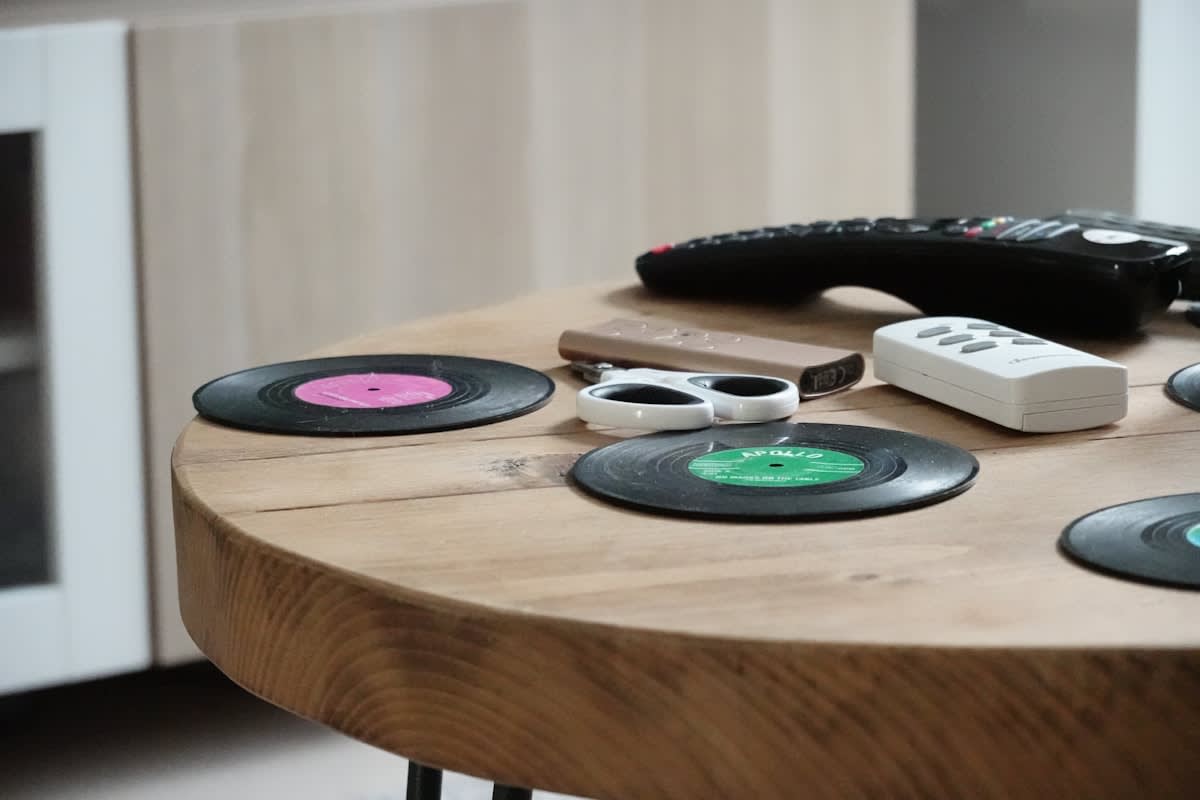
This shift is most evident among Gen Z, a cohort raised in the belly of the digital beast. Their movement toward vinyl records, classic wristwatches, and physical books is a rebellion against the ephemeral nature of the cloud. Digital subscriptions offer convenience, but they offer zero equity. A Spotify playlist can vanish with a licensing dispute; a vinyl record is a permanent asset. This transition from 'user' back to 'owner' is a fundamental economic shift that redefines how value is stored and perceived by the next generation of global consumers.
The Well-being Pivot
The American Academy of Pediatrics (AAP) has shifted its digital media guidelines away from strict screen time limits toward a focus on overall well-being. This recognizes that the problem isn't the clock, but the quality of the interaction and the child's socio-ecological system.
As we move deeper into this synthetic age, the boundary between the virtual and the physical is blurring, but not in the way the tech evangelists predicted. Instead of the physical world becoming a secondary layer to the metaverse, the metaverse is being forced to integrate with the physical to remain meaningful. We are seeing a move toward 'meaningful XR'—applications that extend beyond gaming into health, education, and the workplace. The goal is no longer to escape reality, but to enhance it through a hybrid approach that respects the human need for tangible presence.
The Silicon Paradox: Analog Hardware for Synthetic Intelligence
The most striking irony of the analog renaissance is that it is happening inside the chips themselves. While we discuss vinyl and film, the hardware industry is pivoting toward analog Processing-in-Memory (PIM). This is not a step backward, but a necessary evolution to solve the energy crisis of modern AI. Digital computing, with its constant shuffling of data between memory and processor, is hitting a thermal and energy wall. Analog PIM offers a way out by performing computations directly within the memory array, mimicking the efficiency of the human brain.
| Dimension | Synthetic/Digital Value | Tactile/Analog Value |
|---|---|---|
| Ownership Model | Subscription/Access | Permanent Asset/Ownership |
| Cognitive Load | High (Attention Fragmentation) | Low (Focused Engagement) |
| Hardware Logic | Binary (Von Neumann Architecture) | Continuous (Analog PIM) |
| Primary Driver | Efficiency and Scalability | Authenticity and Resilience |
The numbers back this systemic shift. The analog PIM segment is projected to be the fastest-growing part of its market, with a CAGR of 28.9% from 2026 to 2033. This growth is driven by the desperate need for ultra-low-power AI inference and energy-efficient neural network processing. We are essentially building analog engines to power synthetic minds. It is a paradox: the more advanced our AI becomes, the more it relies on the fundamental principles of analog physics to function at the edge.
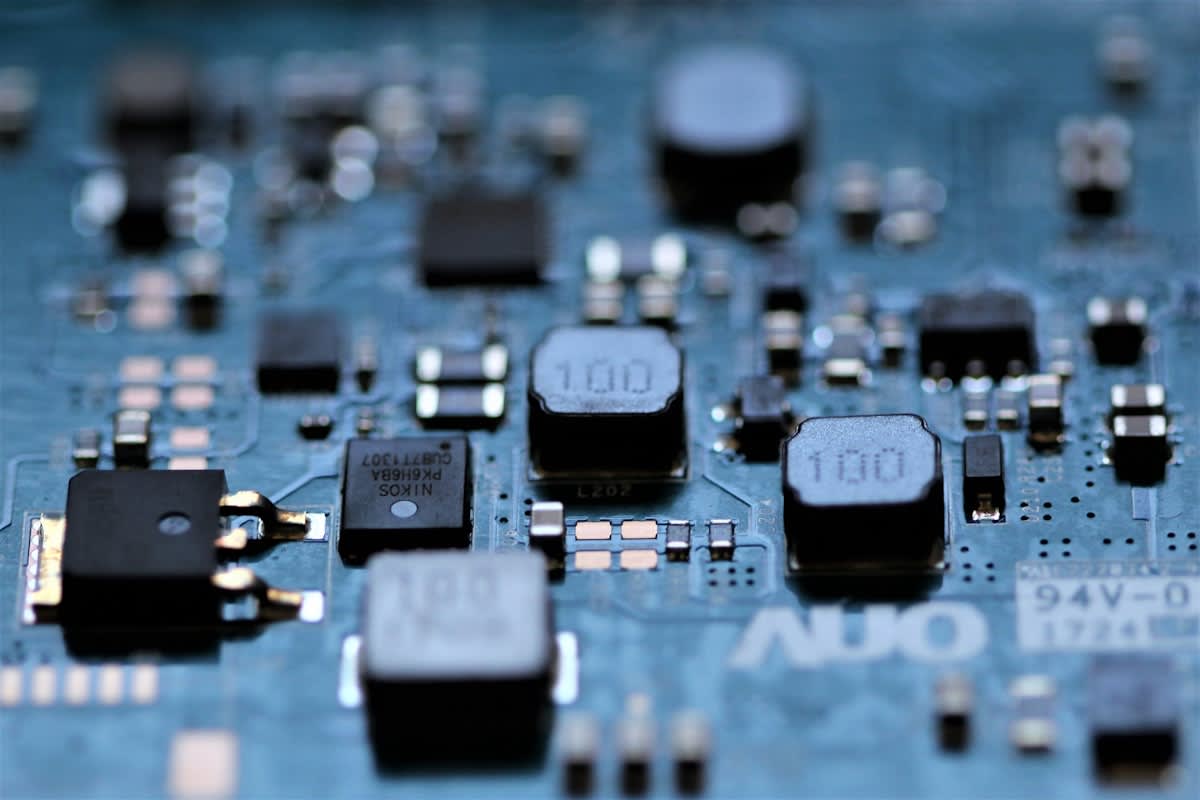
This hardware pivot mirrors the cultural pivot. Both are responses to a state of exhaustion. Culturally, we are exhausted by the screen; technically, we are exhausted by the energy requirements of digital data movement. In both cases, the solution is a return to a more direct, less mediated form of processing. Whether it is the needle hitting a groove or an electron moving through a memristor, the value is found in the directness of the signal.
Redefining Meaning in the Immersive Age
If the first era of XR was about immersion—plunging the user into a fake world—the second era is about integration. The current trajectory of XR technology is moving away from isolated headsets and toward clusters of commonplace technologies. LiDAR, gyroscopes, and forward-facing cameras are turning the physical world into a canvas for digital information without removing the user from their environment. This is the 'meaningful' application of XR that scholars are now tracking.
- Health: Using XR for surgical precision and patient rehabilitation where tactile feedback is critical.
- Education: Moving beyond virtual textbooks to immersive, spatially-aware learning environments.
- Workplace: Integrating AI-driven computer vision to assist in physical labor and complex assembly.
The integration of IBM's Watson models in the 2010s was an early signal of the marriage between AI and immersive media. But today, the focus has shifted from the power of the model to the fidelity of the experience. The question is no longer 'Can the AI do this?' but 'Does this experience feel real?' This pursuit of fidelity is why the tactile pivot is so critical. You cannot simulate the feeling of a heavy book or the smell of old paper; you can only provide a digital approximation. As the approximation becomes perfect, the original becomes priceless.
We are not heading toward a world where the analog dies, nor one where the digital disappears. Instead, we are entering an era of strategic oscillation. We will use analog PIM to make AI sustainable, and we will use physical media to make our mental health sustainable. The value is no longer in the technology itself, but in the intentionality of its use. The winners of the next decade will be those who understand how to balance the synthetic with the tactile, creating experiences that satisfy both our need for efficiency and our hunger for reality.